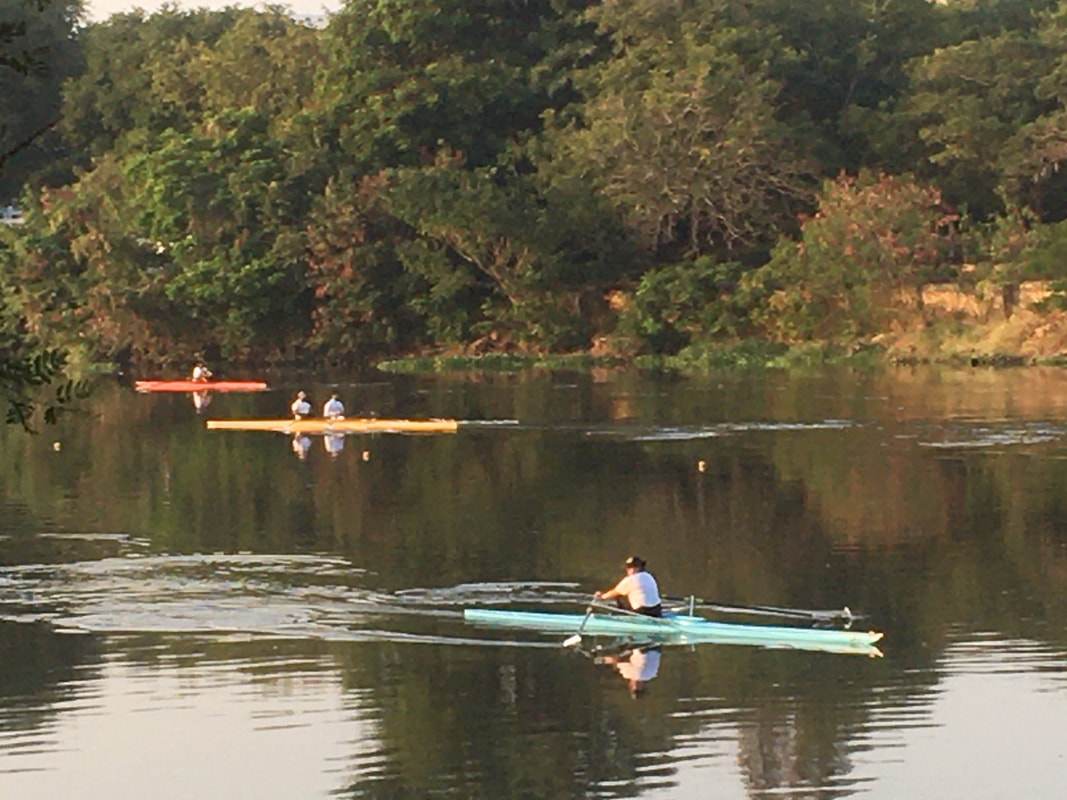
 Chennai has a boat club with a history stretching back more than a century and a half - the Madras Boat Club on the banks of the Adyar river, founded in 1867. It moved to the current site in 1892. And happily, it's still a very active rowing club. In the early morning, and just before the sun goes down, the rowers take to the river to scull, train and keep in trim. It looks idyllic - and in the photo below you can just see the white egrets roosting on the far side of the river ... but the Adyar, while perhaps a little cleaner that Chennai's other river, the Cooum, has an aroma all of its own. 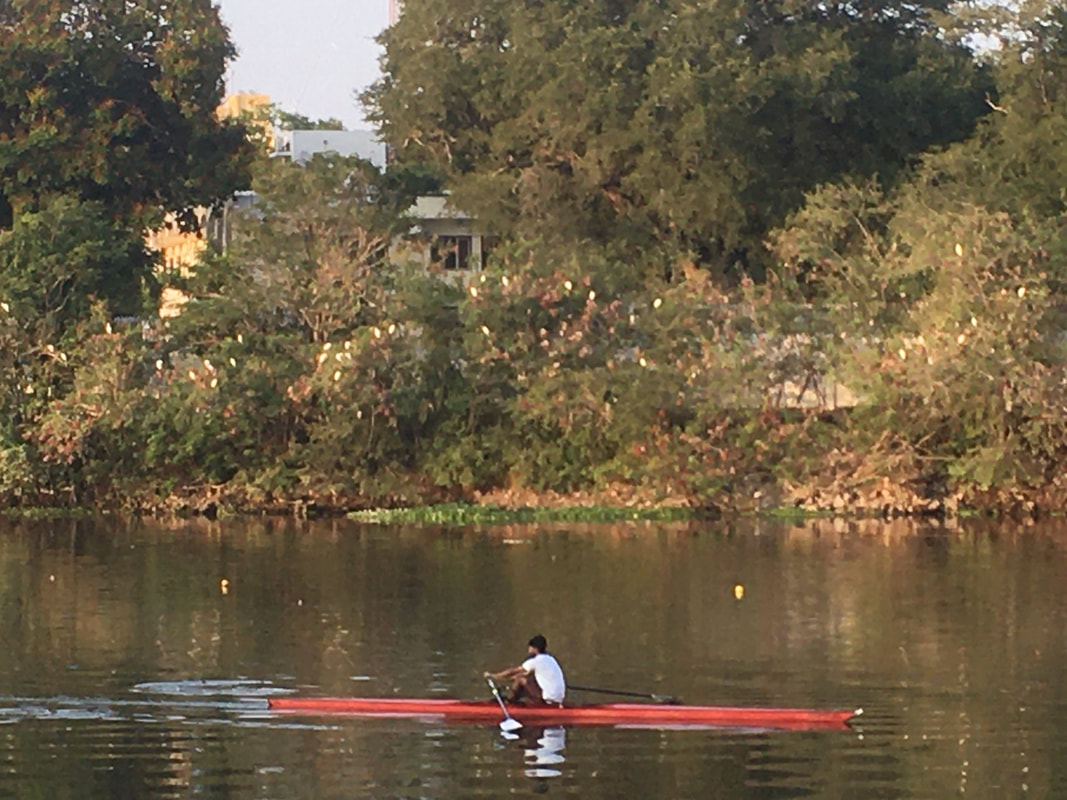 To judge by the number of boats at the Club, and the excellent condition in which they are kept, the rowing aspect of the institution is still valued. The Boat Club itself is a members' club, rather grand, with a few rooms, restaurants and a swimming pool. But as soon as you walk in, you can tell that it really is a boat club - 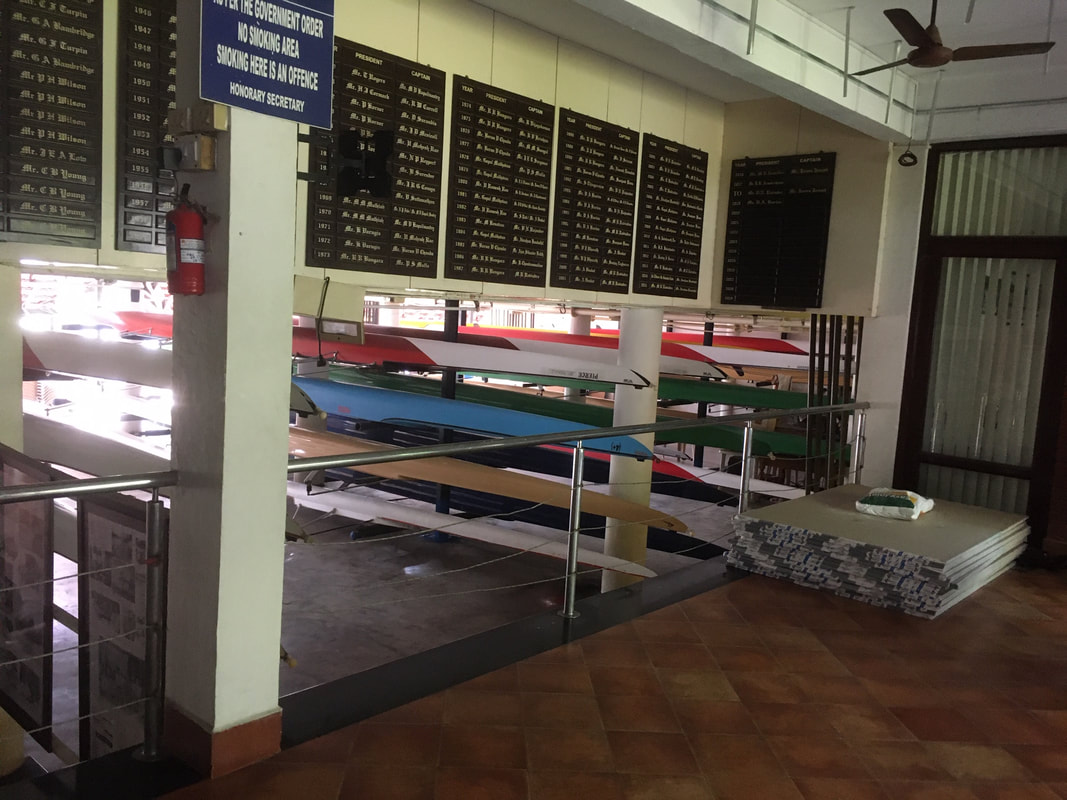 And as is befitting a club which owes its existence to the river, its best aspect is riverside - 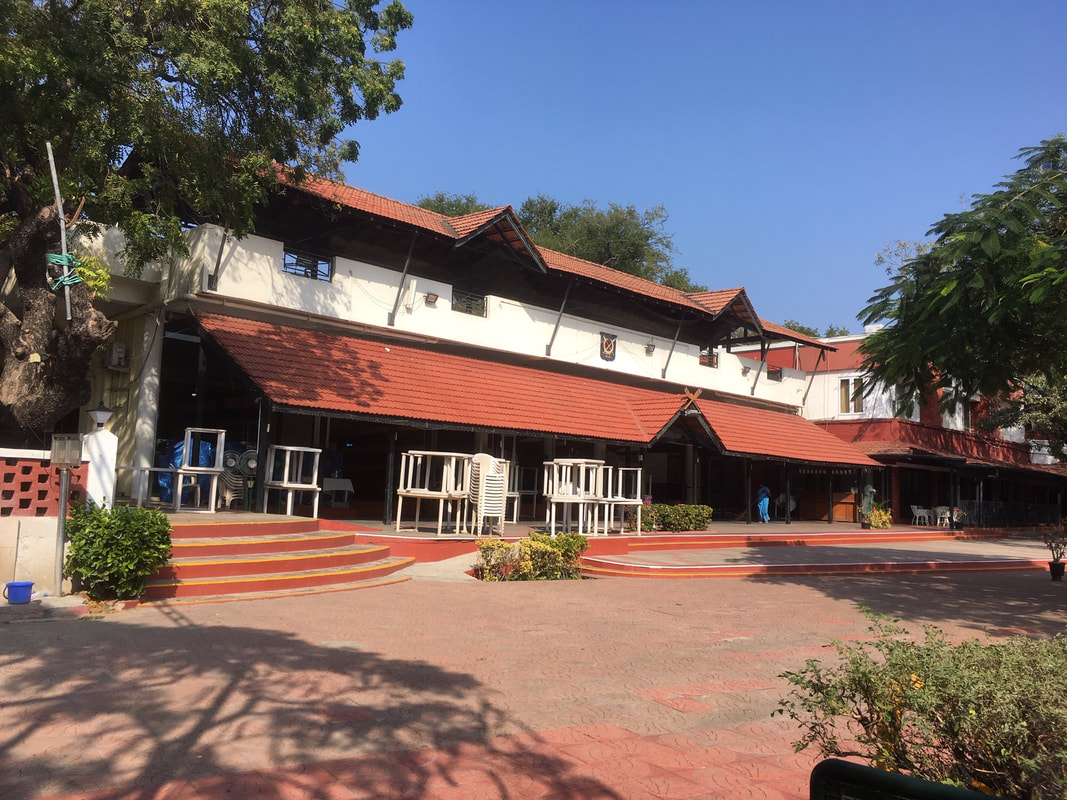 Madras Boat Club 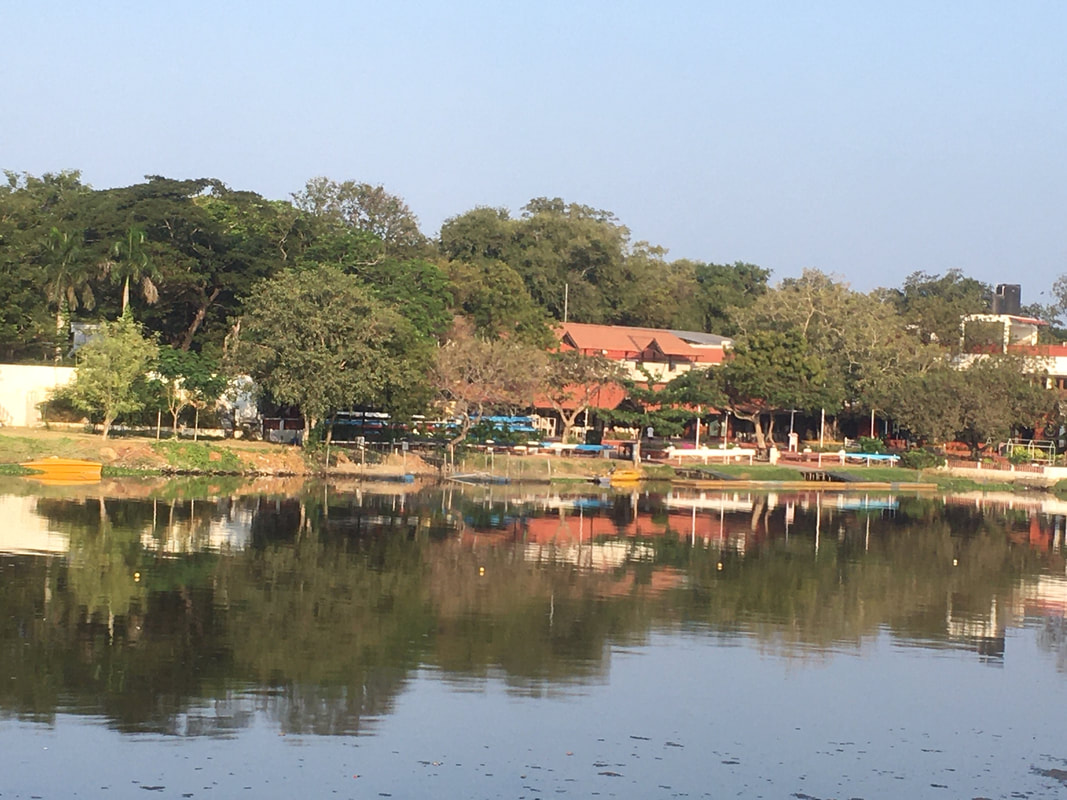 ... and as seen from the other side of the Adyar The boards proclaim rowing successes and club captains and officers going back right to the club's foundations in the 1860s, but it seems to be as recently as the 1960s - to judge rather crudely by the names on display - that the Brits finally bowed out. M.M. Muthiah became the first Indian president of the club in 1967. 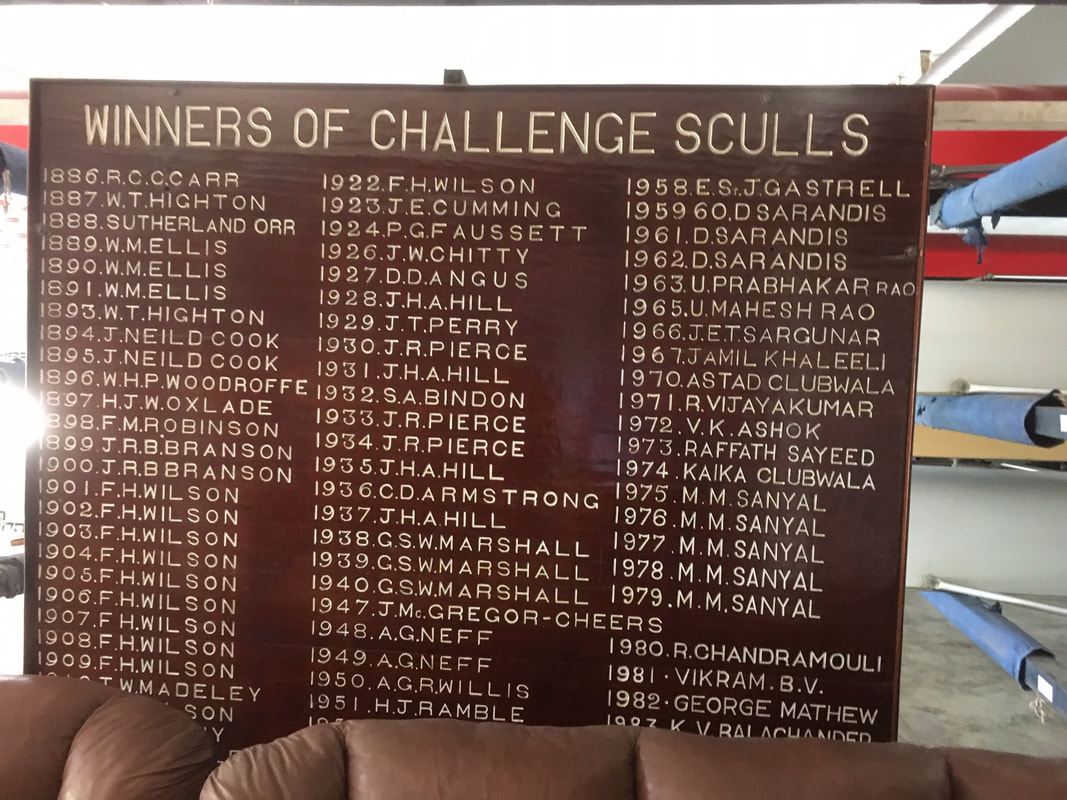 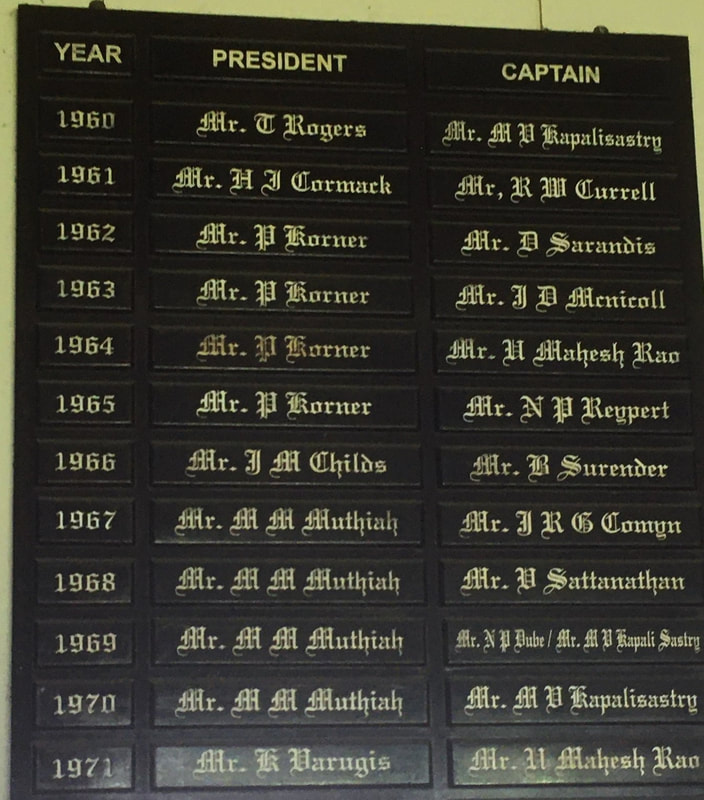 The club takes pride in encouraging women's rowing - and women have been training competitively here since the 1980s. 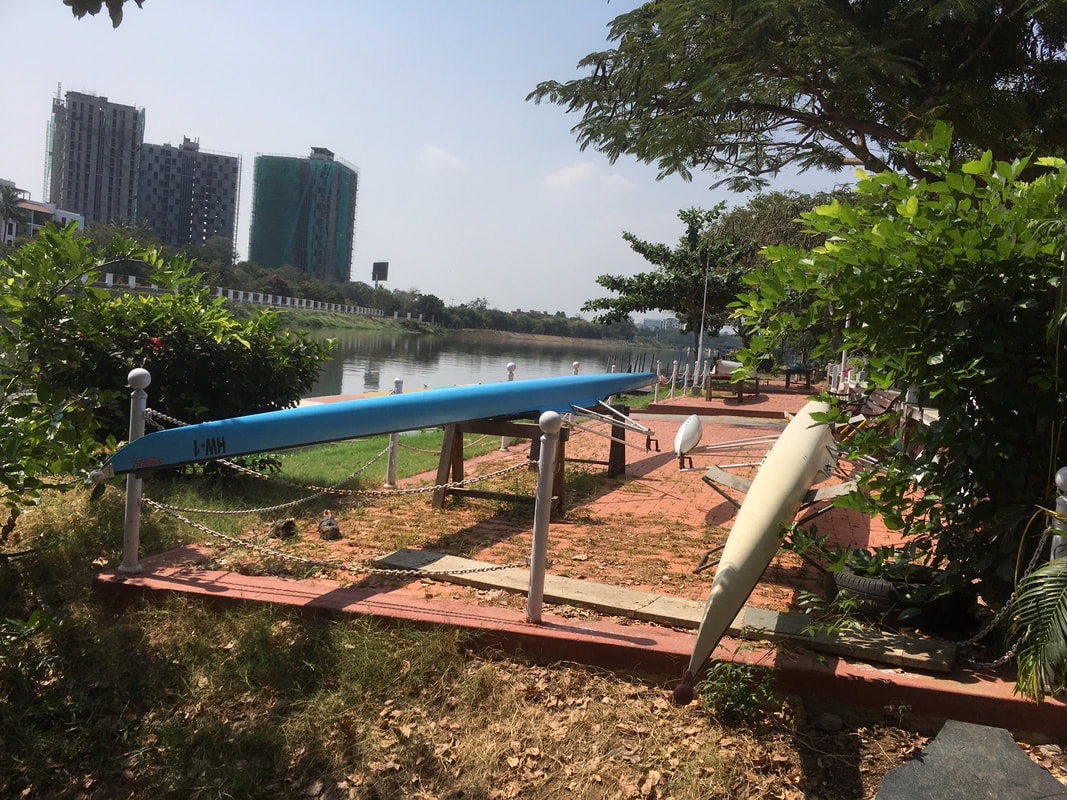 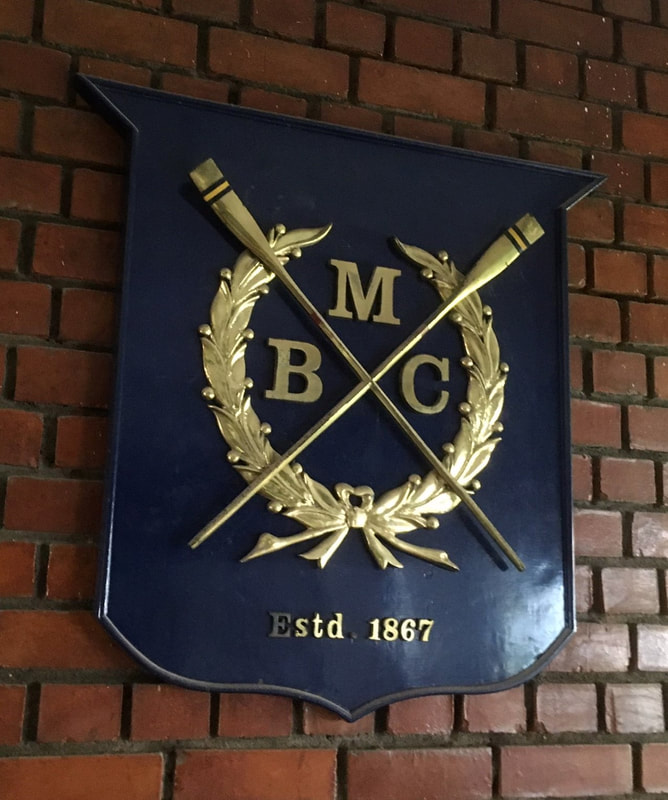
1 Comment
These curious conjoined insects look like the "push-me-pull-you" creatures of the bug world - I came across three couples, and one solo bug, in a very short stretch of pavement here in Chennai. 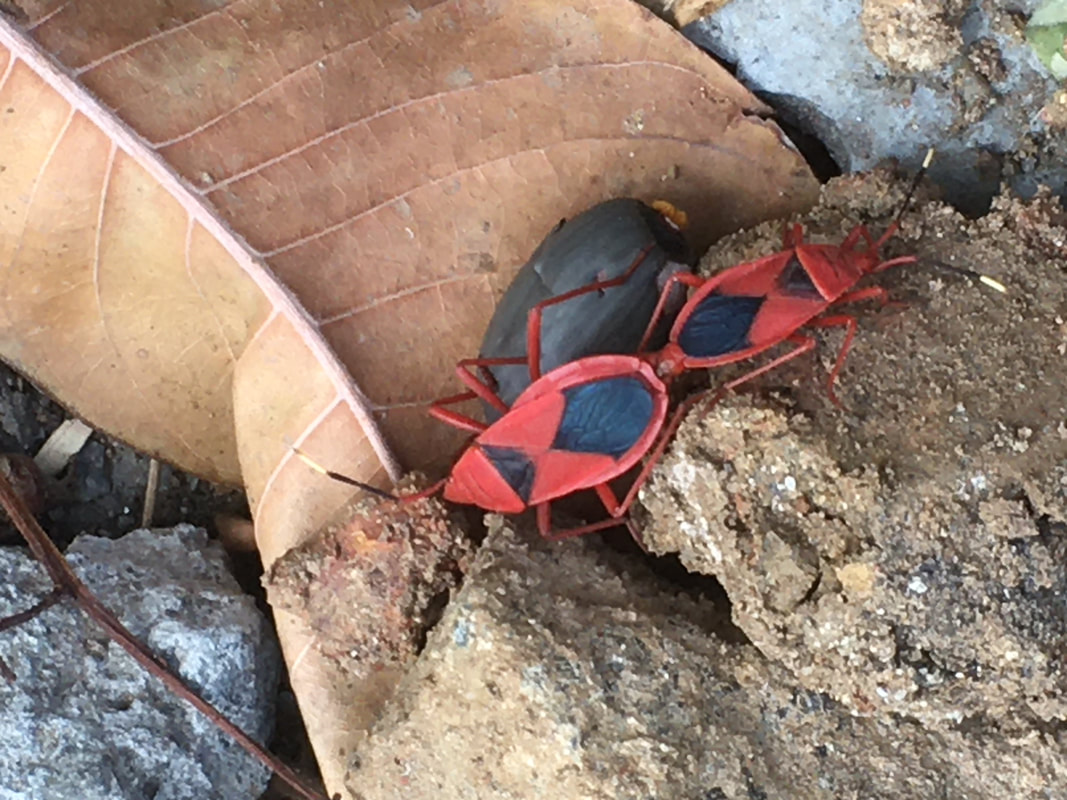 They are, it seems, red cotton stainers or something very closely related - and yes, they're mating. The insects can be serious pests for the cotton crop, though they are fairily undiscriminating as to what they feed on. I can't quite work out why, with such flamboyant colouring they don't make a tasty morsel for the birds all around. But there didn't see to be a feeding frenzy going on. 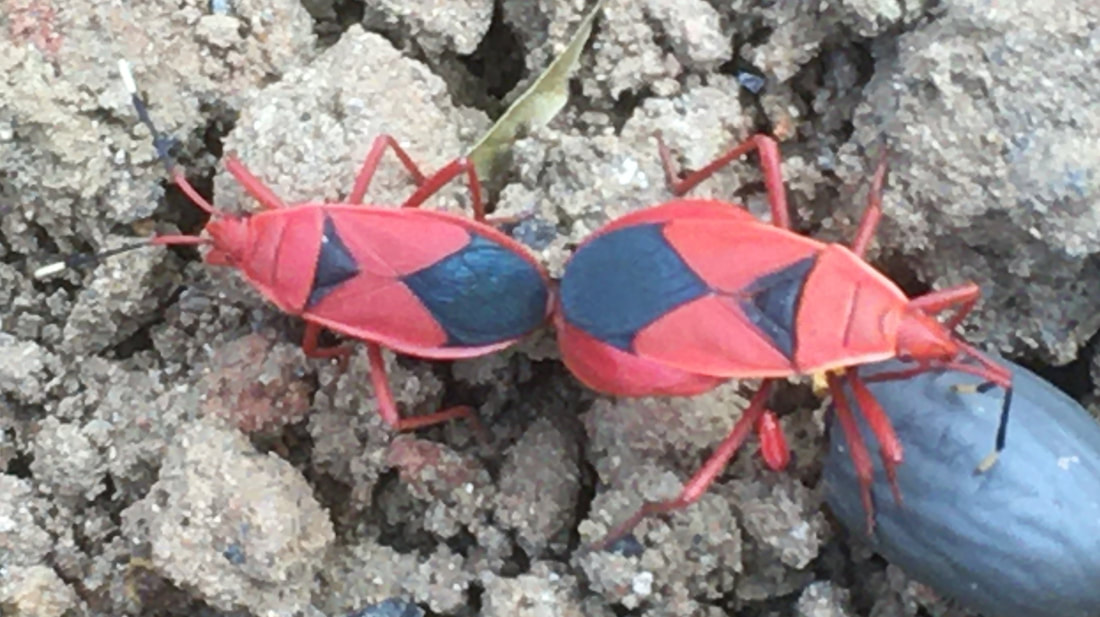 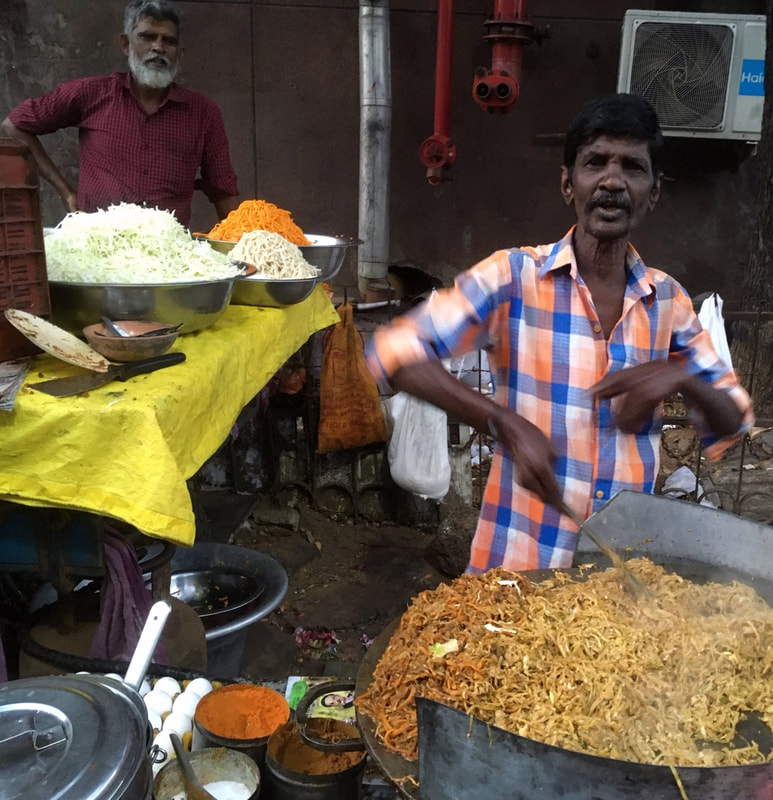 Everyone in Chennai knows about Burma Bazaar. It's a long row of road-facing stalls either side of Chennai Beach station. The market was set up in the late 1960s for Tamils who had been forced out of Burma and made the journey back across the Bay of Bengal. These days the market has a reputation - whether deserved or not, I cannot say - for dodgy phones and electrical items, There's very little apart from the name to link the place to Burma (now Myanmar of course) or the Tamil refugees who set up the bazaar. But just across the road - and rather less well-known - there's an enduring aspect of the links between Madras and Rangoon (both cities have changed their names - they are now Chennai and Yangon) - two fast food stalls selling Burmese-style noodles and run by families which were part of the exodus from Burma more than fifty years ago. The stalls are fairly anonymous - there's nothing to tell the passer-by that these are part of the once vibrant trading and cultural links between South India and Burma. The food is certainly popular and some come from quite a distance for the freshly cooked noodles and salad, the mild curry sauce, the stuffed eggs and other choice items on sale.. 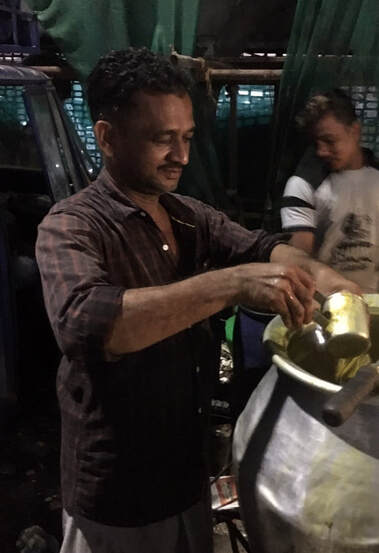 The stall worker you see here, Khwaja Mohammad, told me (he was speaking in Tamil and one of his customers kindly translated) that he moved from Burma in 1964. He was then five years old. I was told that the older men on this stall still speak Burmese - but I can't vouch for that. Between the wars, Indians ran much of Burma's economy. In 1931, people of Indian origin made up more than half of Rangoon's population. The historian Sunil Amrith in his excellent book Crossing the Bay of Bengal has explained how the migration routes to-and-fro between South India on the one hand and Burma and Malaya on the other were among the busiest in the world at that time. The Second World War and its aftermath changed all that. When the Japanese invaded Burma, many Indians in Rangoon fled. The rich could afford to pay for passage on a steamer back to Madras or other ports on the Indian coast.. Many others faced the arduous and perilous land journey up through the hill of northern Burma and into Assam. Among those who made the trek was a four-year-old Burma-born girl who came to be a big Bollywood film star, known on screen simply as Helen. She has recounted how her mother miscarried on the journey, and her brother died of smallpox shortly after reaching Calcutta.
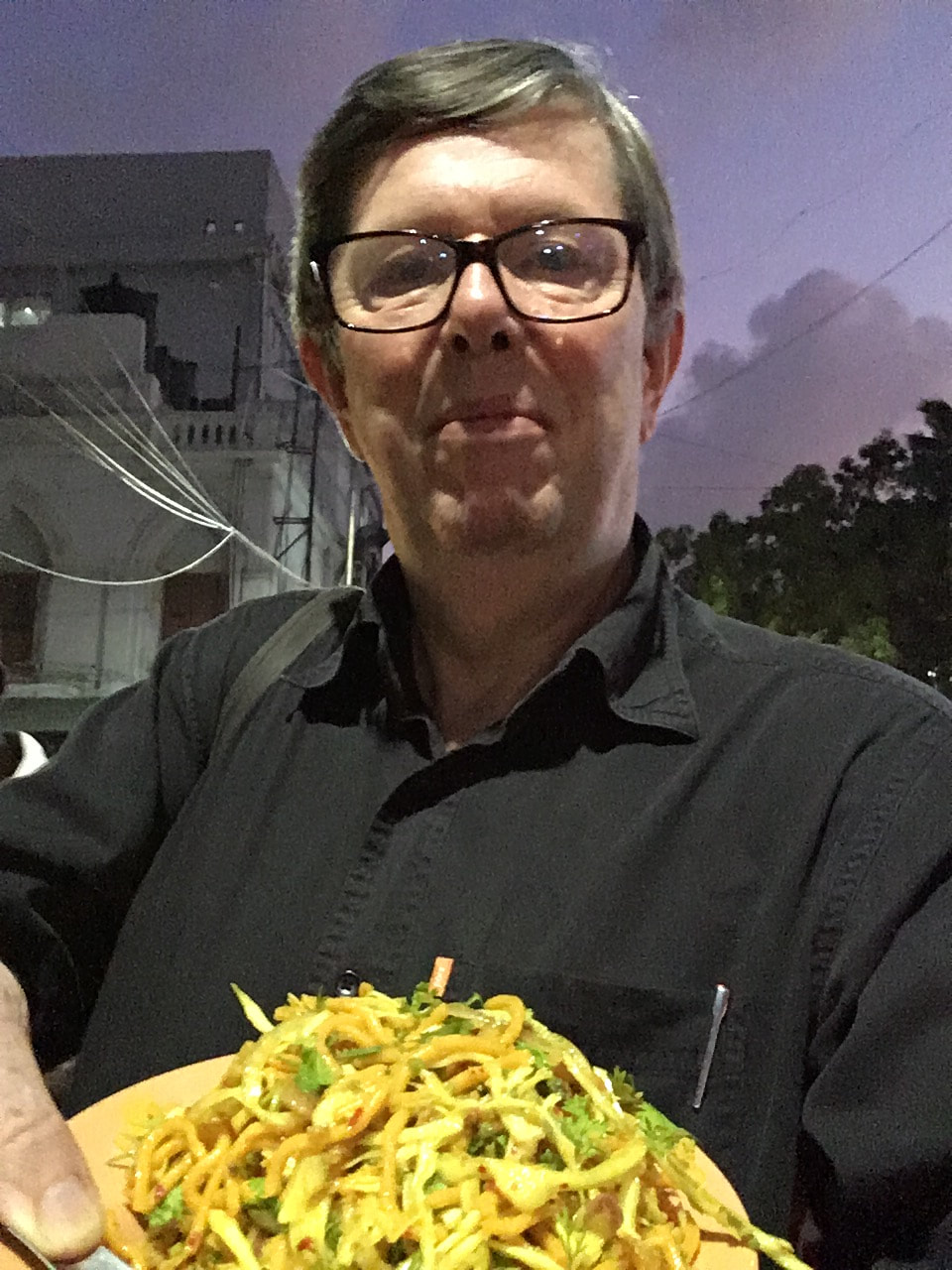
Those Indians who remained in Burma faced further upheaval when, after a military government came to power in 1962, many were forced out in what was clearly akin to ethnic cleansing. This is the migration from which Burma Bazaar - and the food stalls - were born. There remain about a million people of Indian descent in Burma - approaching 2% of the population - but the community (Hindu, Muslim - Tamil, Telugu, Bengali) is no longer as powerful as it once was. And the food that's served in the stalls? The most popular dish is atho, a noodle salad - that's what I'm eating in the selfie. This foodie website describes atho as: 'made with grated carrots, cabbage, fried onions combined with garlic oil, chilli powder and lime juice. The orange noodles are mixed with these vegetables (almost always by hand) and the Atho gets its crunch from the addition of bejo, a crispy deep-fried snack crafted with rice flour and a sprinkling of peanuts'. And you can help yourself to a ladle full of sauce - a soup made with banana stem. It's good! You can accompany that with masala eggs, you can see them in the next photo. These are boiled eggs with the yolk removed and replaced with spicy fried onions. I'm leaving that until next time ... 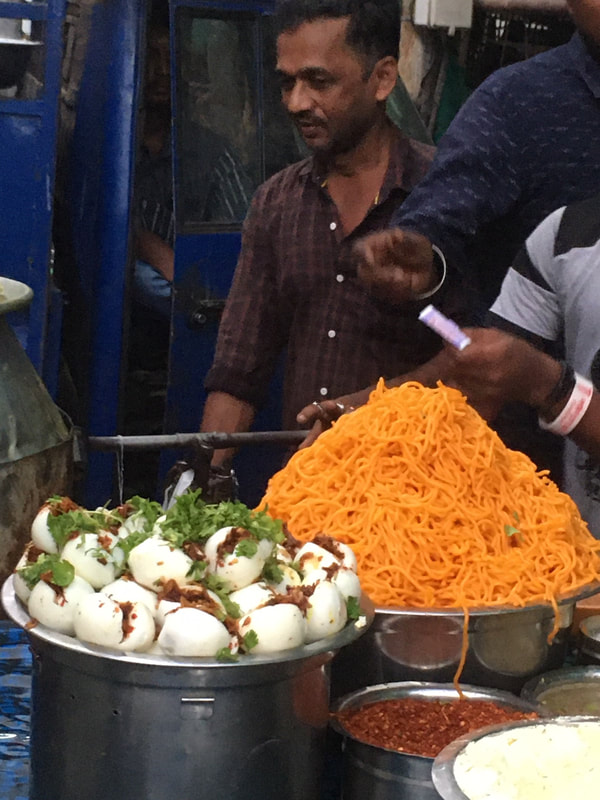 There are quite a few Burmese restaurants and atho joints in Chennai - but these food stalls have the mark of authenticity. And they are also a vibrant remnant of the Burma-returned refugees who made their homes in this part of the inner city, close to Parry's Corner, in the 1960s.
If you are trying to find the stalls, this map may help. They are on Errabalu Street and at its junction with Jahangir Street aka Beach Road. That's not quite where the red marker is shown - it's closer to the bus stop just south of Chennai Beach station. Good luck! LATER: I went back to the Burmese food stalls a couple of weeks later, had another bowl of atho and met up again with Khwaja Mohammed. We spoke briefly - in Hindi. He said all those who worked on the same food stall as him were from families that were forced out of Burma in 1964 (he was very definite about the date) - but they weren't from the same family. He was a Muslim but others on the stall were Hindus and Christians. At home, he said, Tamil, Hindi and Burmese are all spoken. In total, he said, there were seven Burmese atho stalls in the area. The others are a littlle further north along Jehangir Street/Second Line Beach Road. I found them, also doing good business. At a couple I found young guys working on the stalls with some English - they both explained that their grandfathers were from Burma. Neither spoke any Burmese. Here are a few pictures of these other stalls. 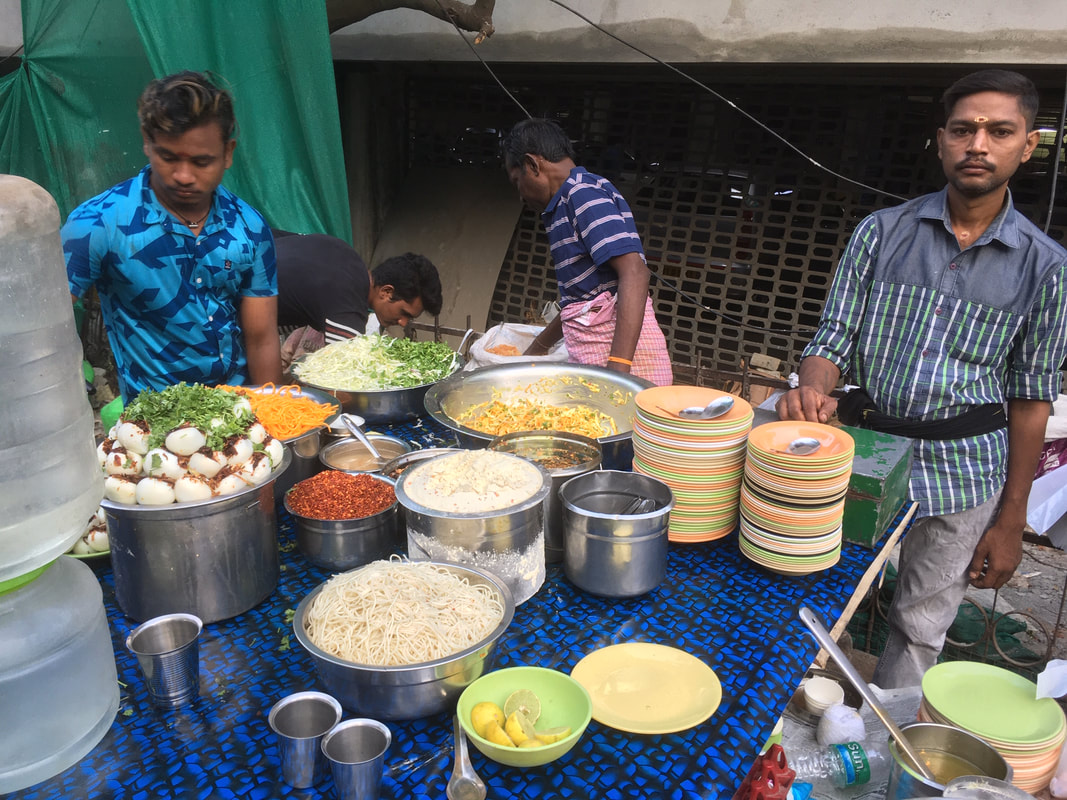 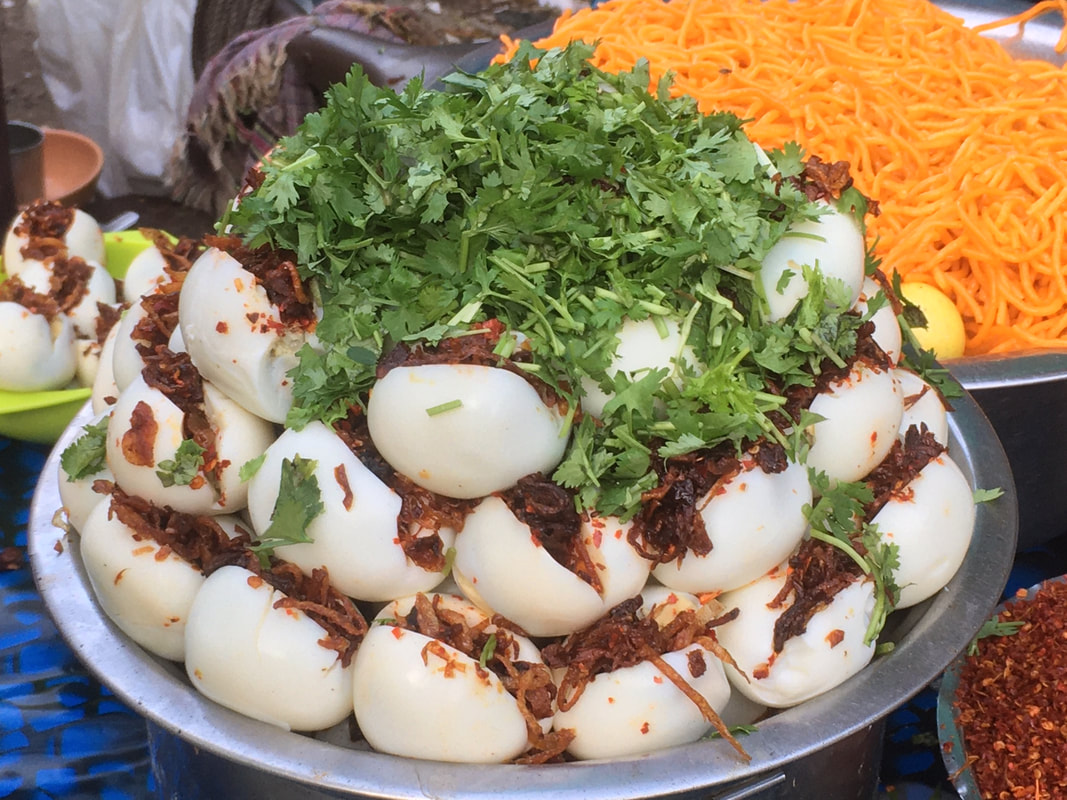 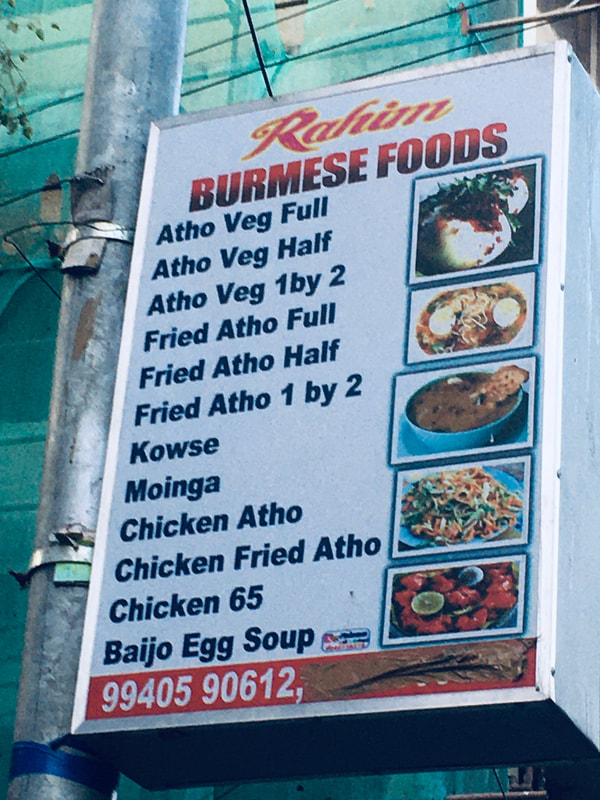 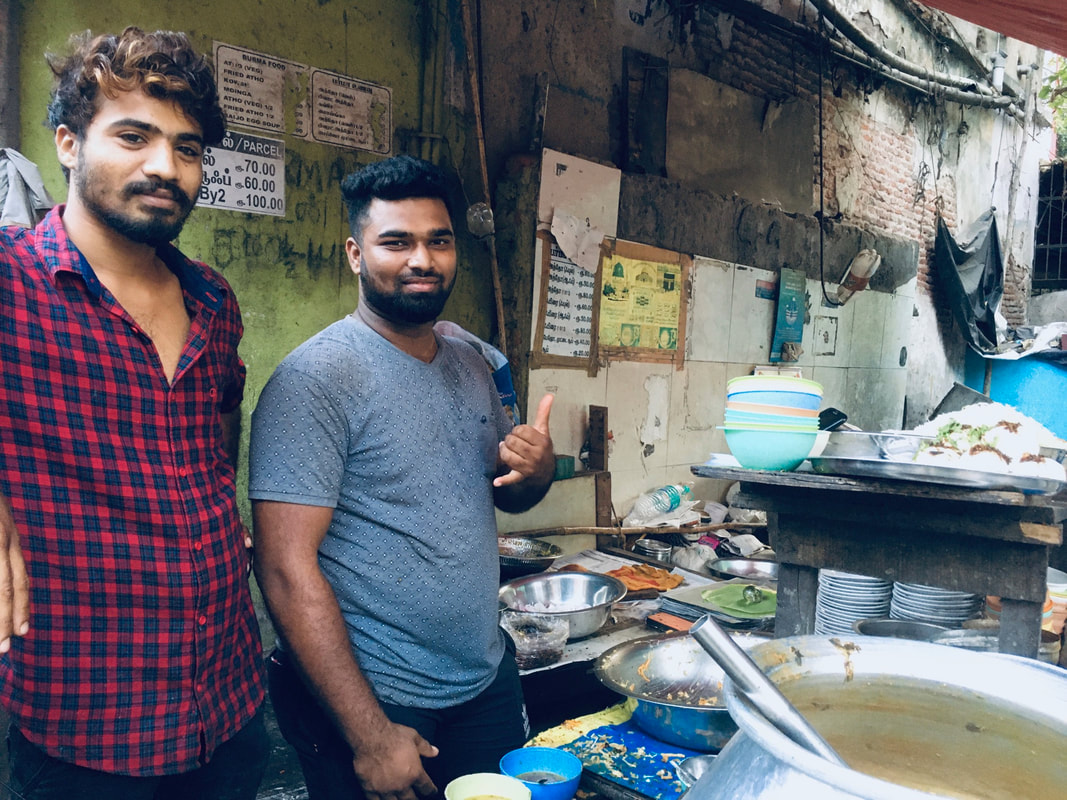 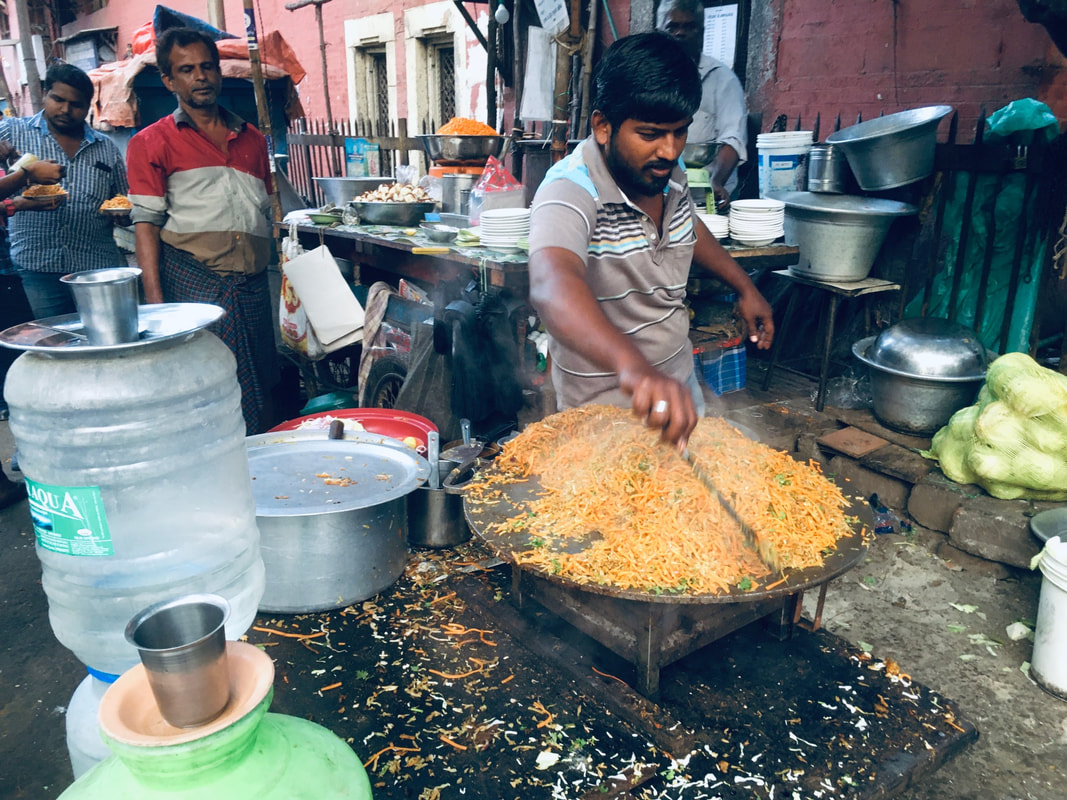 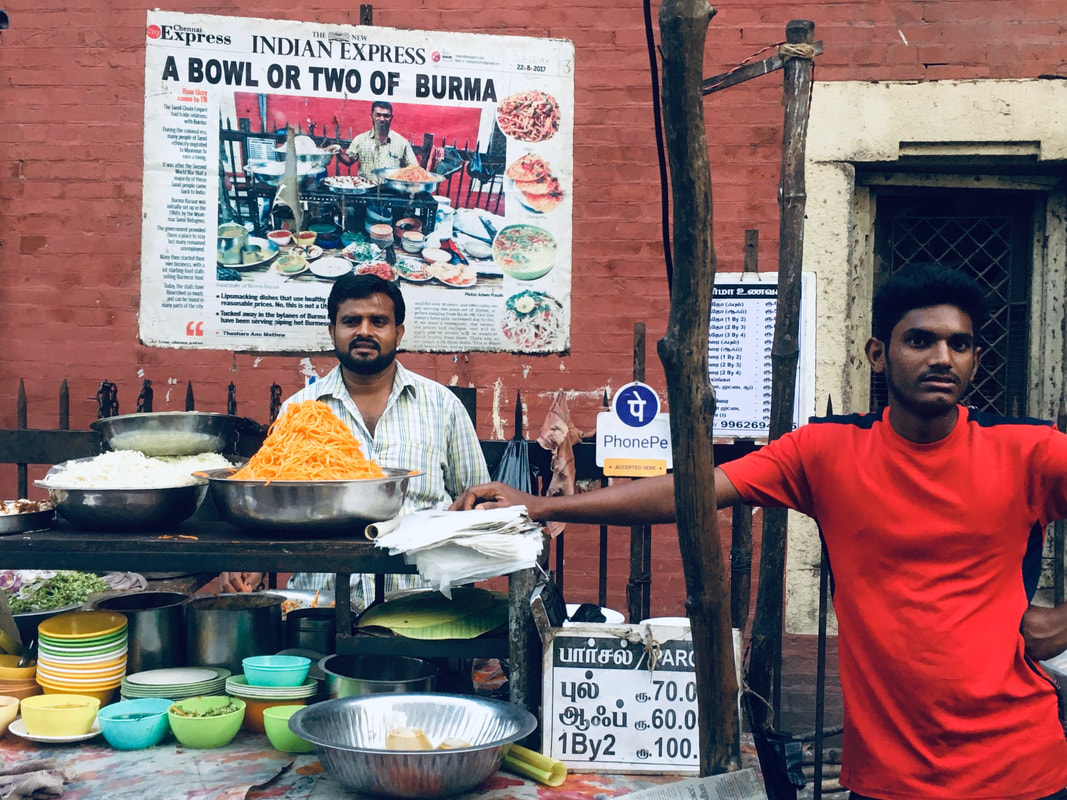
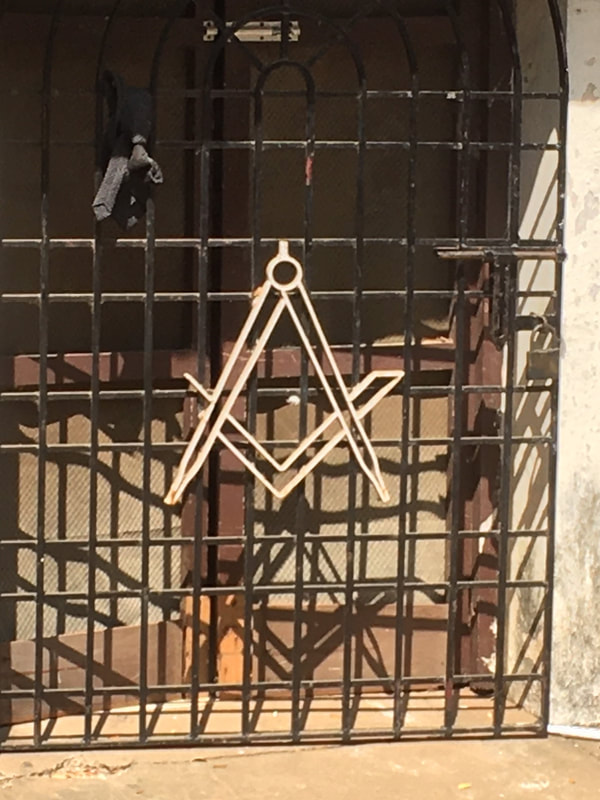
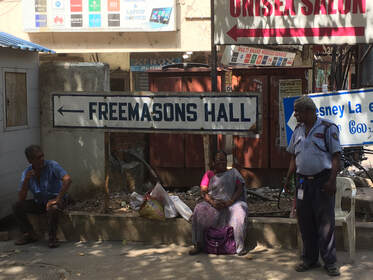
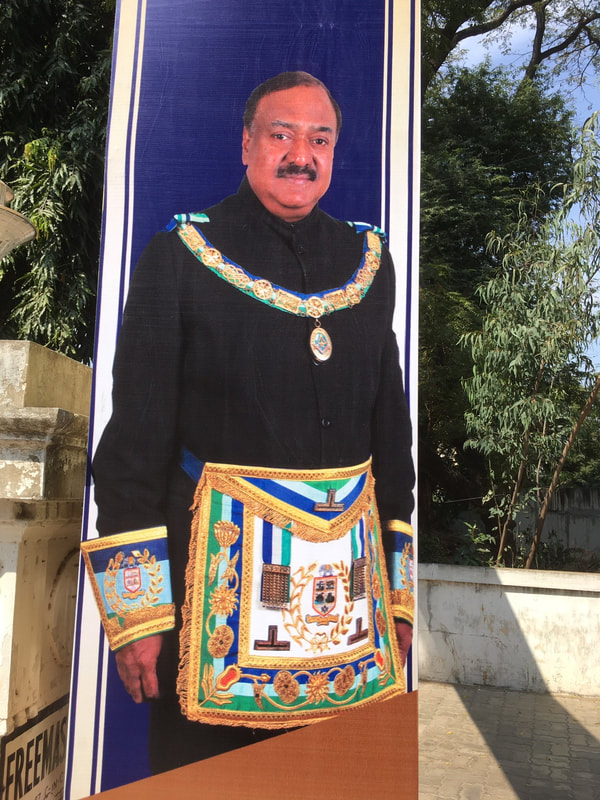
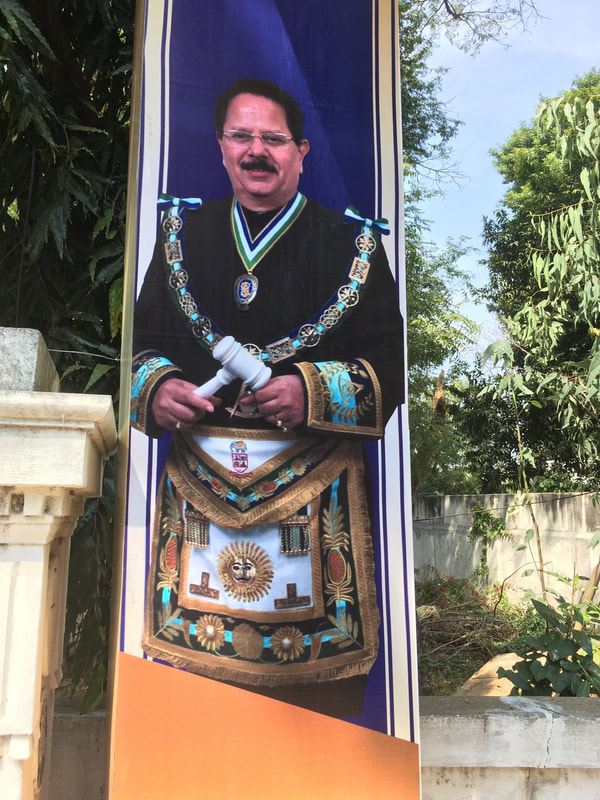
At the end of a cul-de-sac in the Egmore district of Chennai, there's an imposing century-old building which still serves the purpose for which it was constructed. It's Chennai's Freemasons' Hall. The masons are, of course, a secret society. But when I sent an email asking if I could have a look around their Chennai HQ, I got a prompt call back saying: sure, come along. I'm not a mason and didn't pretend to be - but I was made very welcome, 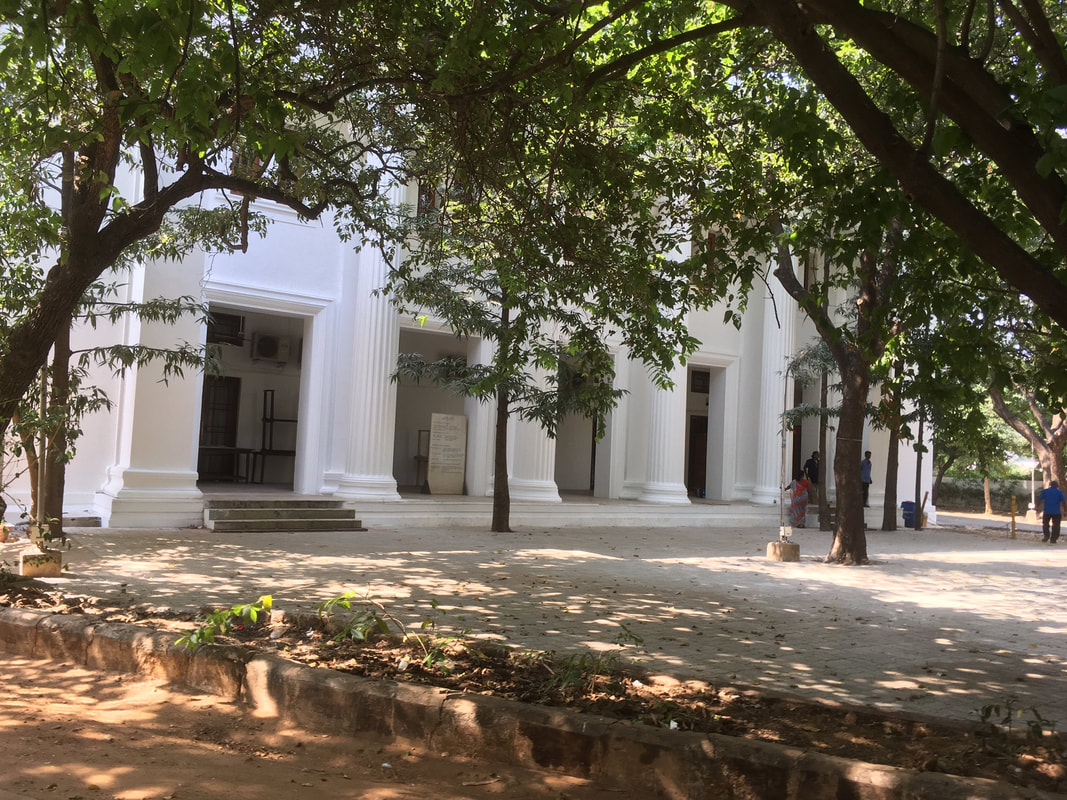 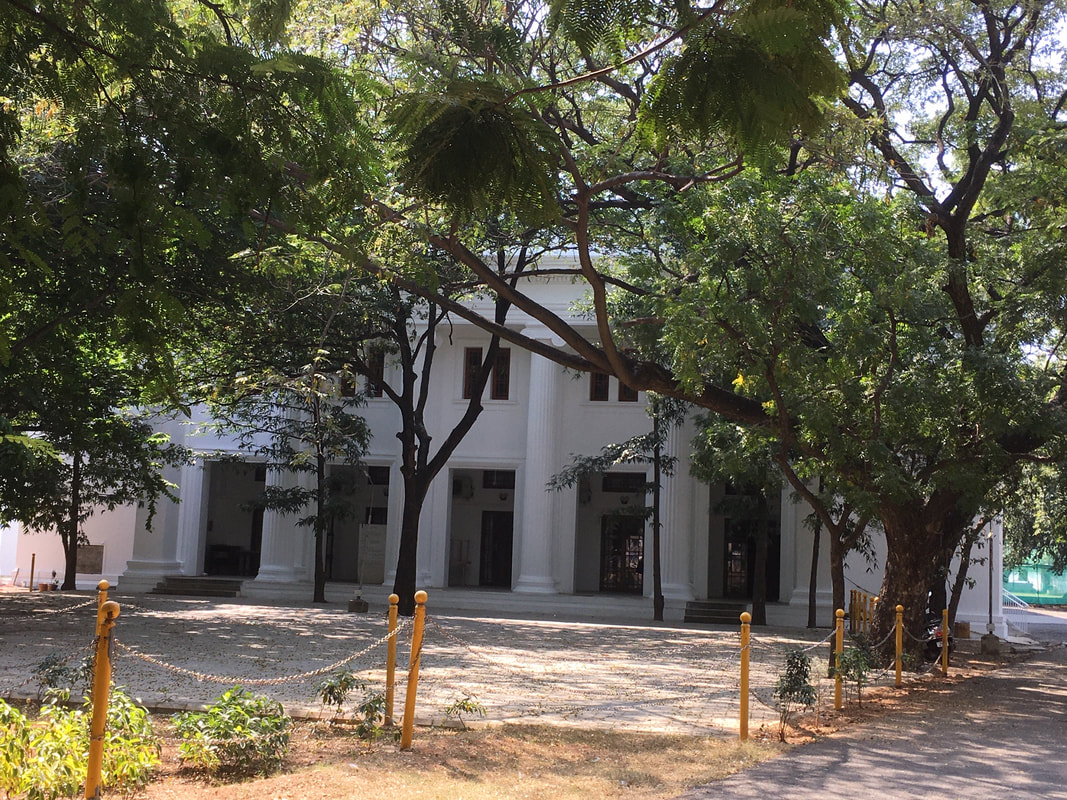 The hall is on the banks of the river Cooum - but happily sufficiently far back to be protected from its stench - and is surrounded by trees which prevent a full vista of what is an elegant colonnaded building. The Freemasons' Hall was opened in 1925. The governor of Madras, Lord Willingdon, had laid the foundation stone a couple of years earlier. But the history of masonic lodges in this part of India stretches back to the 1750s. 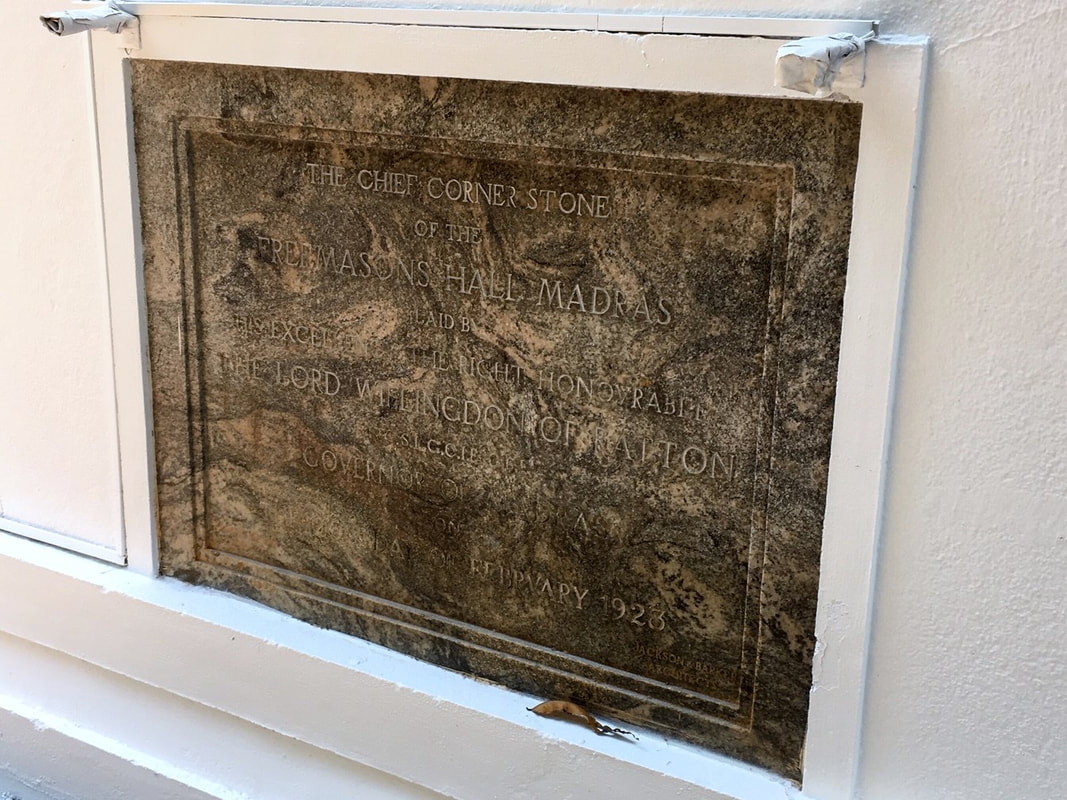 An earlier masonic temple in the San Thome district is now - according to S. Muthiah's authoritative and encyclopedic Madras Rediscovered - the office of the Director-General of Police. Some masonic insignia is apparently still visible there. The Egmore hall is well kept and was being renovated when I visited. I was shown round the three masonic temples on the site - the biggest seats 250 people - and the three dining halls. All the masonic paraphernalia - sashes, aprons, set square, dividers - was on display, but I was asked not to take any photos. These images of the main hall and temple are taken from a masonic website: 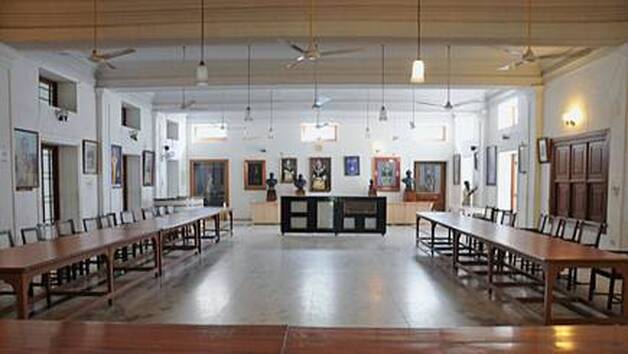 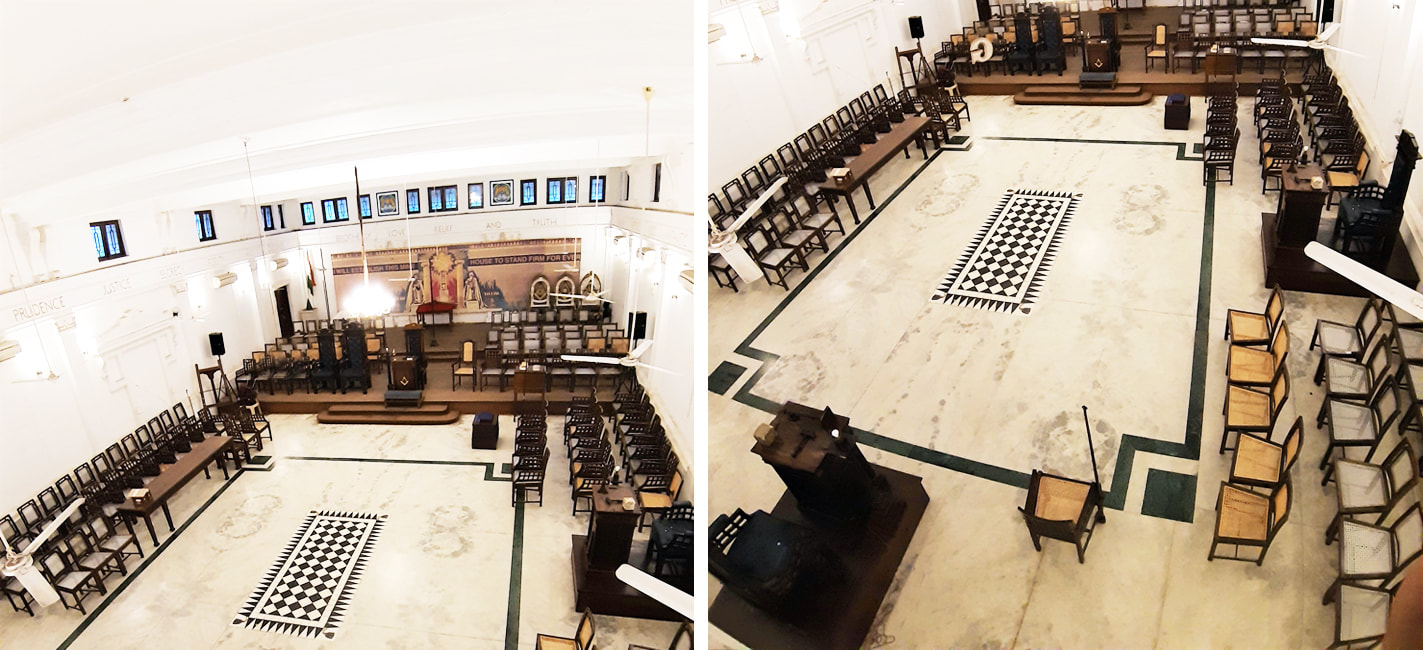 I was told that the Chennai district remains home to about fifty lodges - six following the English constitution, one each in the Scottish and Irish tradition, and the rest falling under the masons' Indian constitution. What's the difference? I don't know. There are a couple of small masonic halls on the outskirts of Chennai, but this is the main masonic meeting place in the city. There was no sign of women's involvement in freemasonry - all the photos on the website feature men (though remarkably the redoubtable Annie Besant was an active freemason more than a century ago). When many other institutions dating from the colonial era are struggling to survive, the freemasons seem to be in robust health.
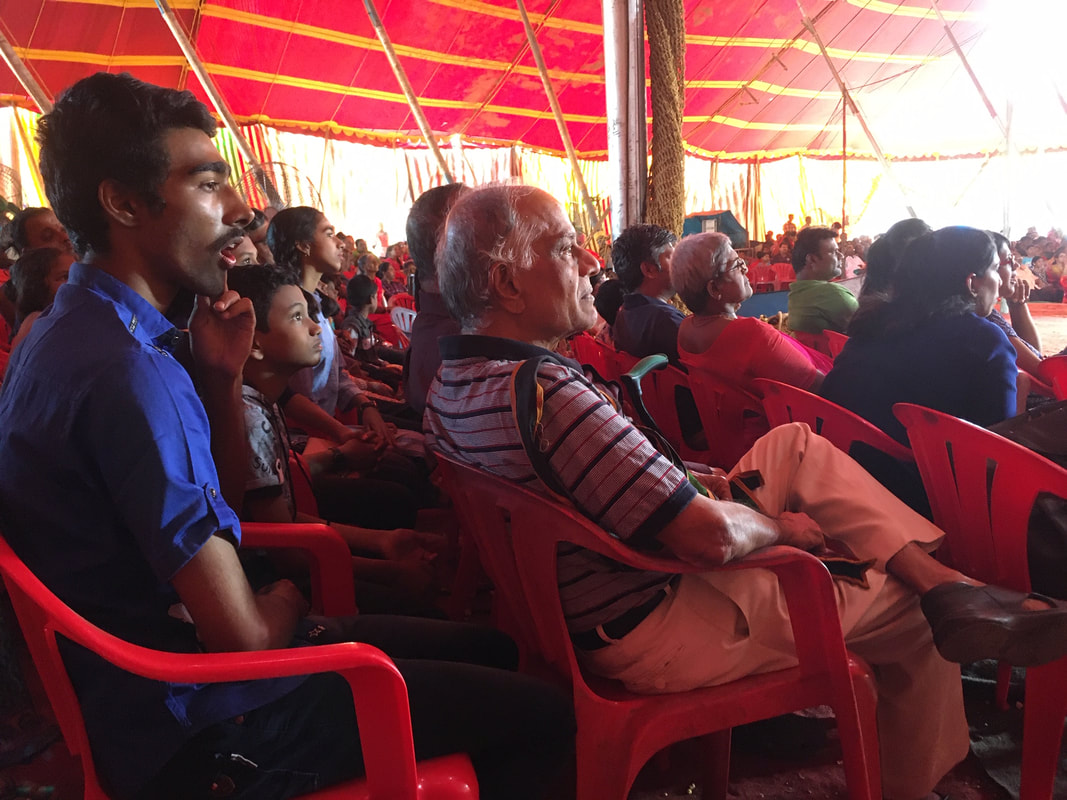
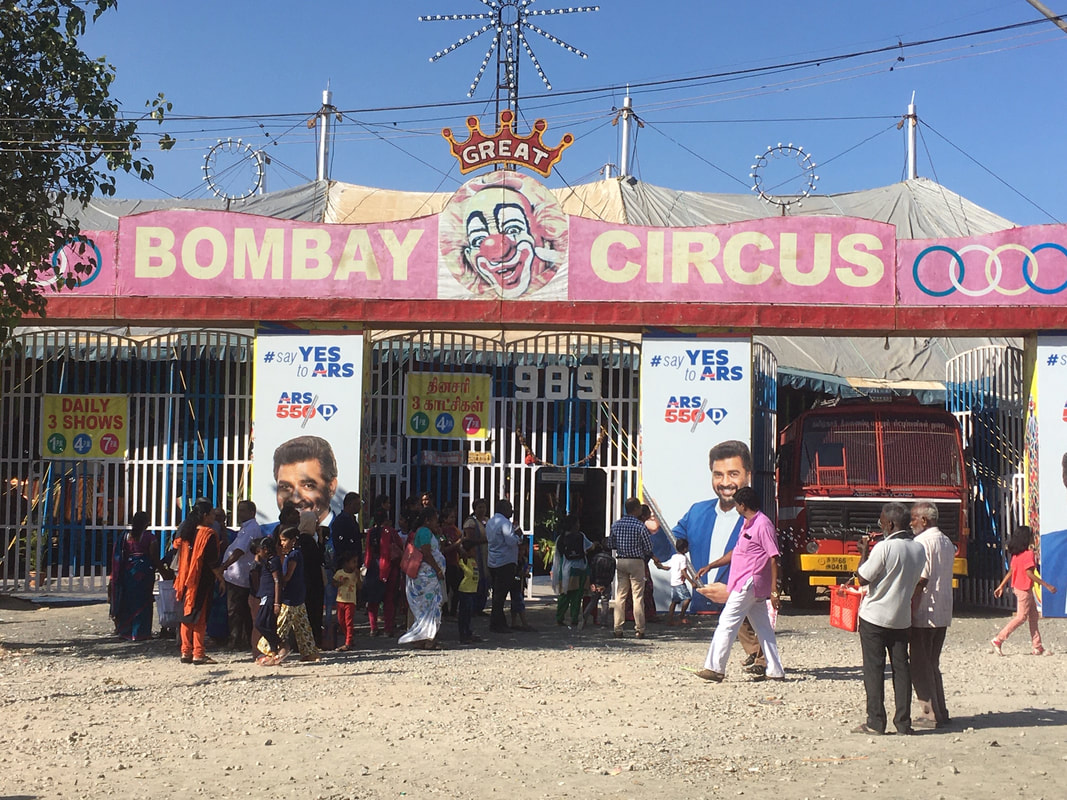
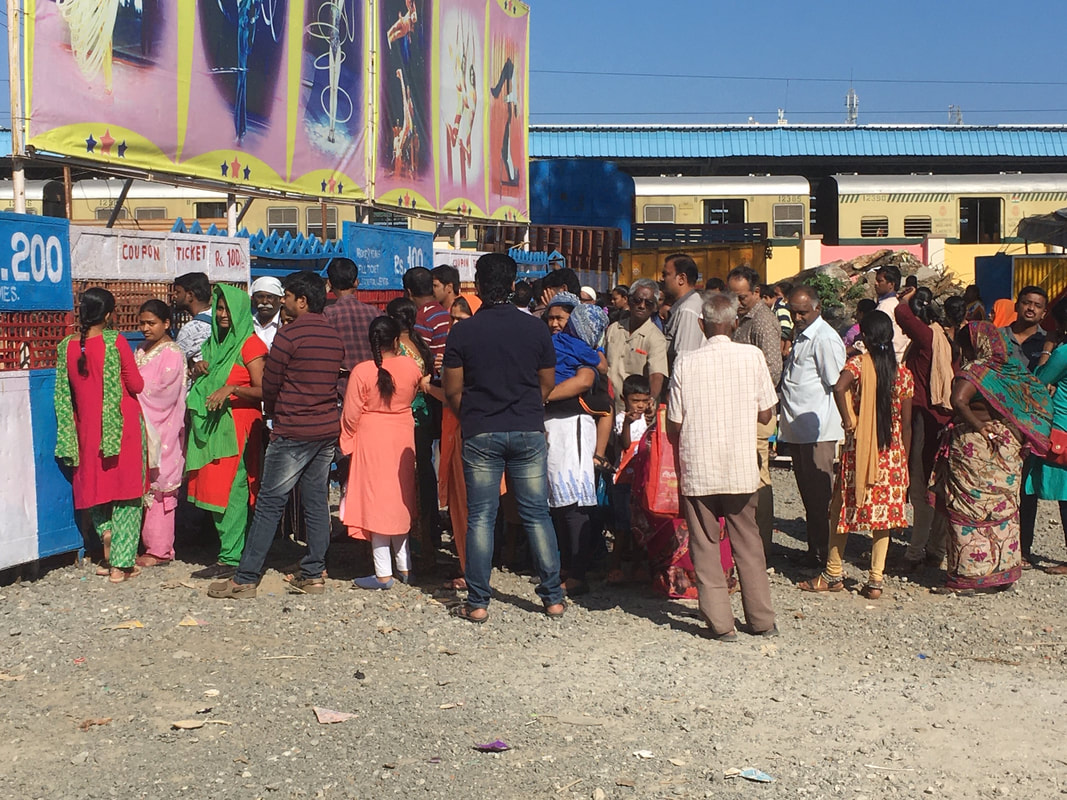
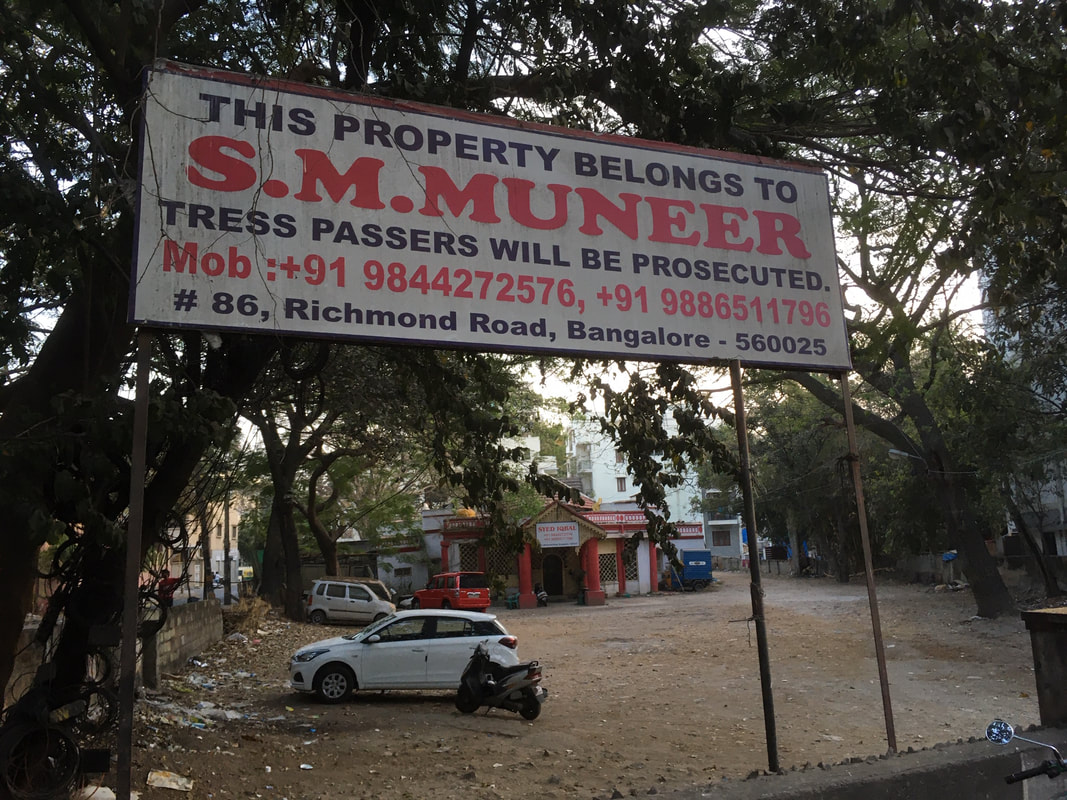 I sometimes get the impression that one of the few factors working to promote urban conservation in India is the glacial functioning of the country's courts. Property disputes can sometimes take a generation to get sorted once there's formal recourse to the law. I don't know the ins-and-outs of the dispute hinted at on the signboard above - but I get the impression that a row over property has had the effect of preserving the property that's being fought over. This is not Chennai but Bangalore - the other principal city of South India, where I spent the weekend. It's perhaps the most happening city in South Asia - and Richmond Road is about as good an address as you can get in Bangalore. Yet no. 86 is an old, now slightly dilapidated, bungalow which seems strikingly out of place amid the swish high-rise blocks all around. 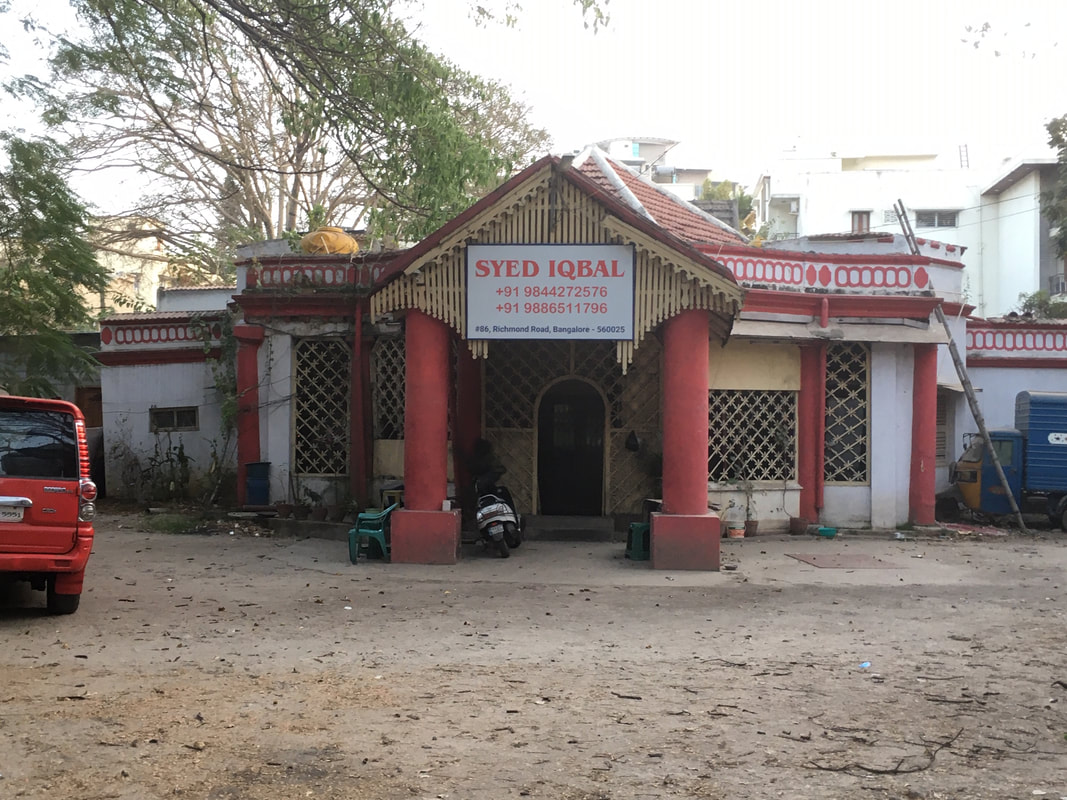 The style harks back to another era - the 1930s perhaps but it could be earlier. It's not particularly grand or pretty - but very few city centre examples of this humble style of vernacular architecture survive. 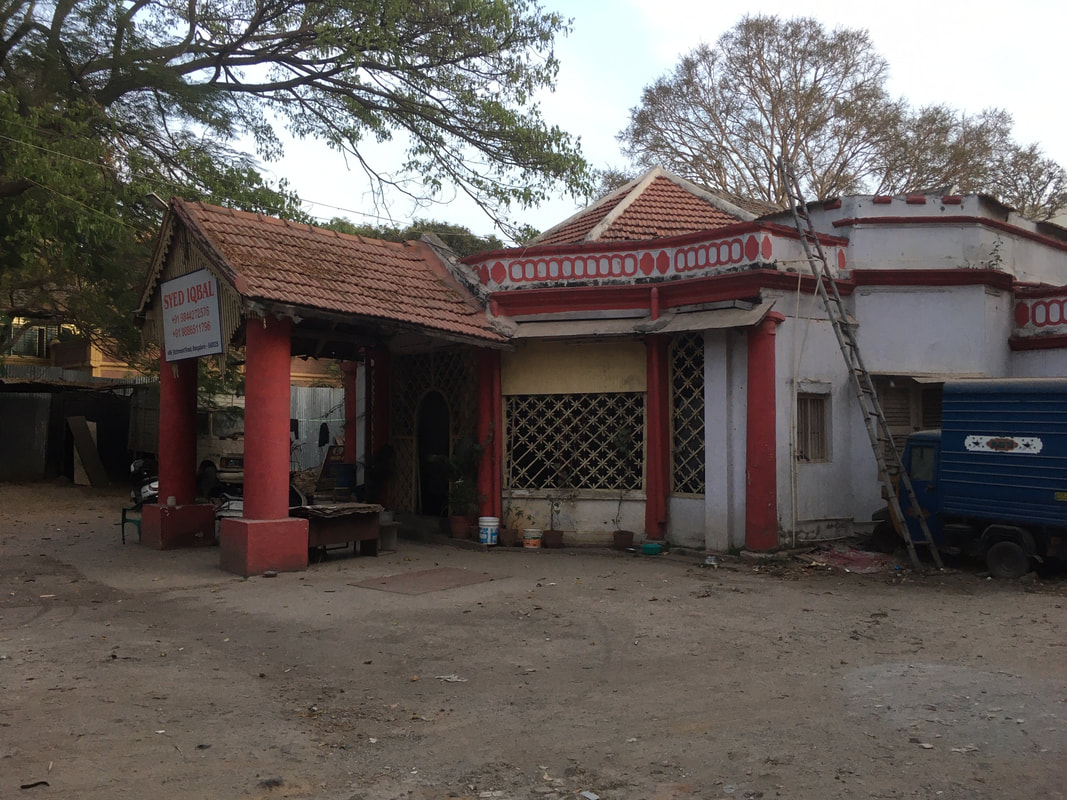 I am by no means the first to be attracted to this curious remnant of Bangalore's past. As long ago as 1978 a study of Baungalore's surviving bungalows selected this building as among those deserving of attention and record. The survey was done by Dr Harimohan Pillai and I have taken the images below from the site of Archi-eStudio: 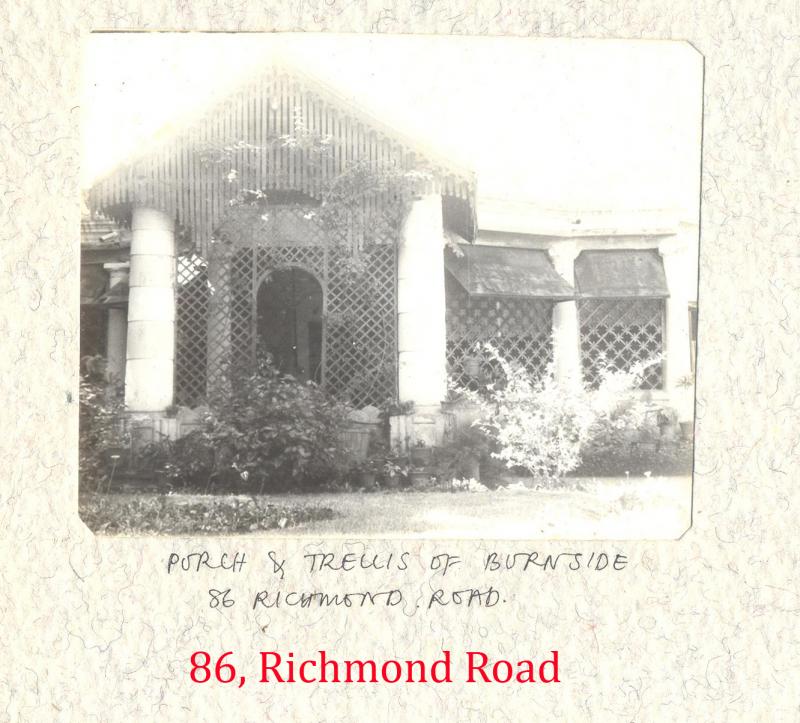 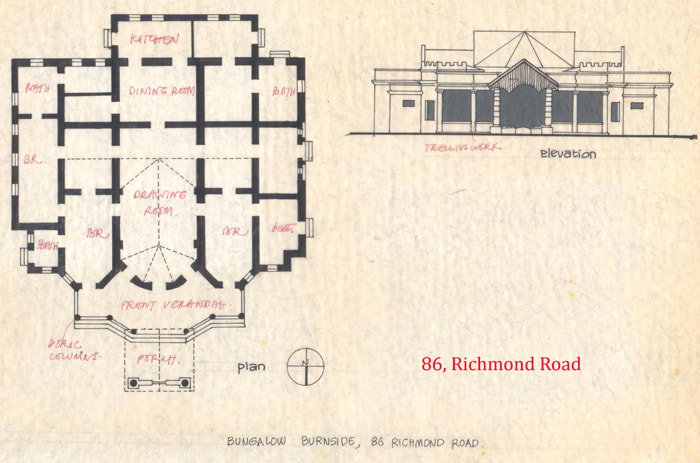 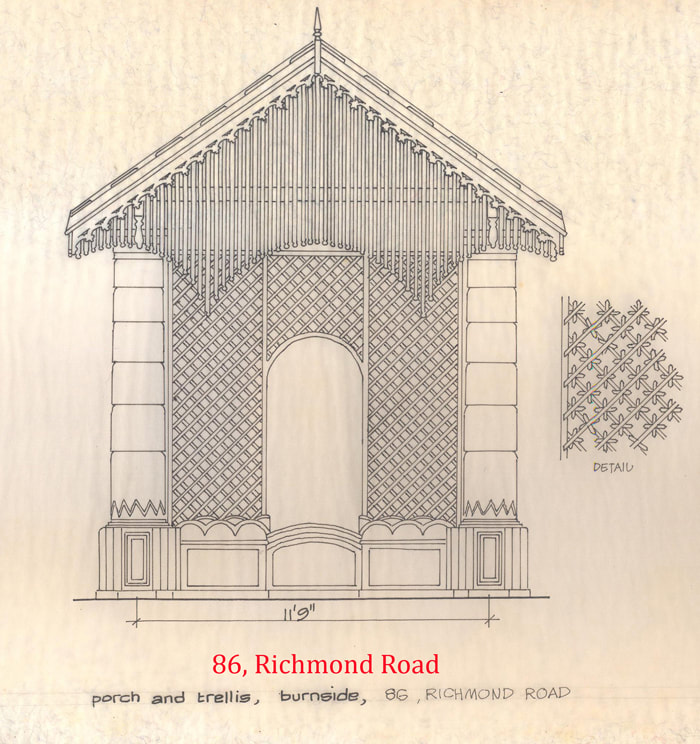 More than forty years later, what even then was an unlikely survival is still standing - and from the exterior at least, remarkably unchanged. 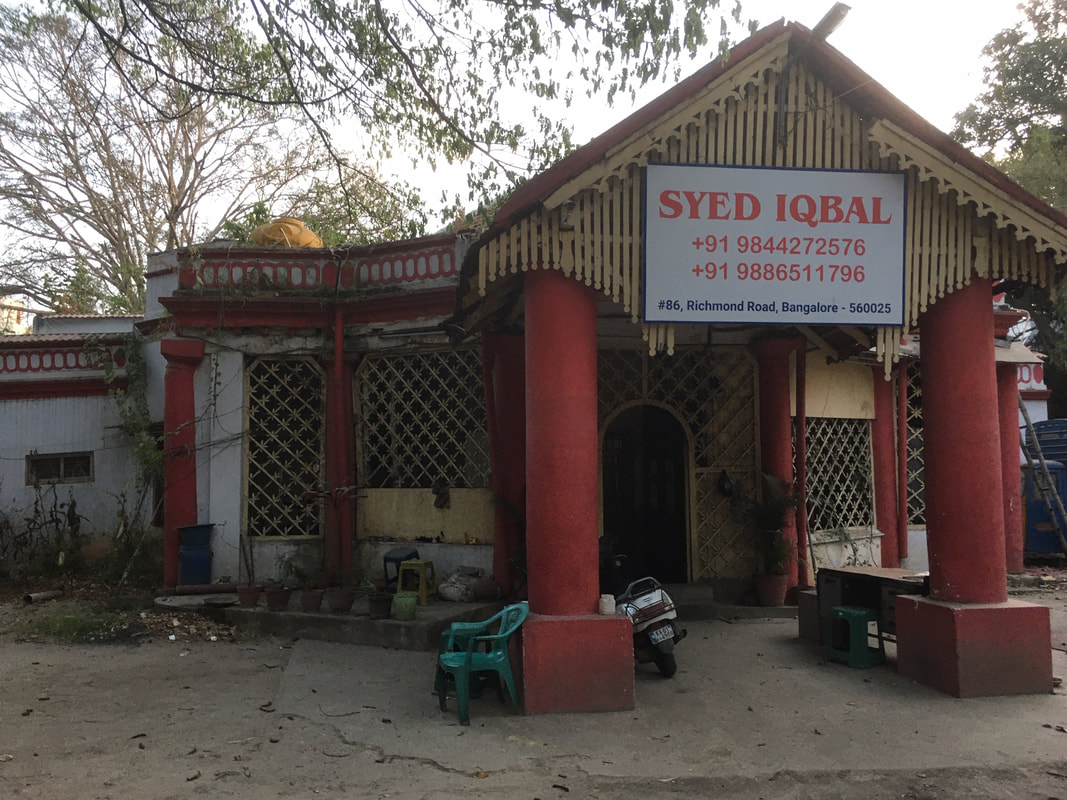 Syed Iqbal, whose name features above the door of the property, stood for election a couple of years ago - and in the assets declaration he was obliged to submit, the value of 86 Richmond Road was put at (wait for it!) a little more than 460 million rupees (that's about £5 million). That same declaration lists Mr Iqbal's principal occupation as real estate - and he's also an actor. He doesn't live here, however - or at least it wasn't his residential address at the time he was an election candidate. And S.M. Muneer - the man who put up the 'no trespassers' board? Well, a certain Syed Mohammed Muneer was listed a couple of years ago as a full-time director of Alpine Housing Development Corporation Ltd, based in Bangalore. Oh. and 86 Richmond Road was listed in 2018 as the HQ of Air Pushpak, which charters private jets on behalf of its clients. 'Air Pushpak charter guarantees your privacy, and we will work closely with your security provider on all aspects of your charter'. Anyone know any more? 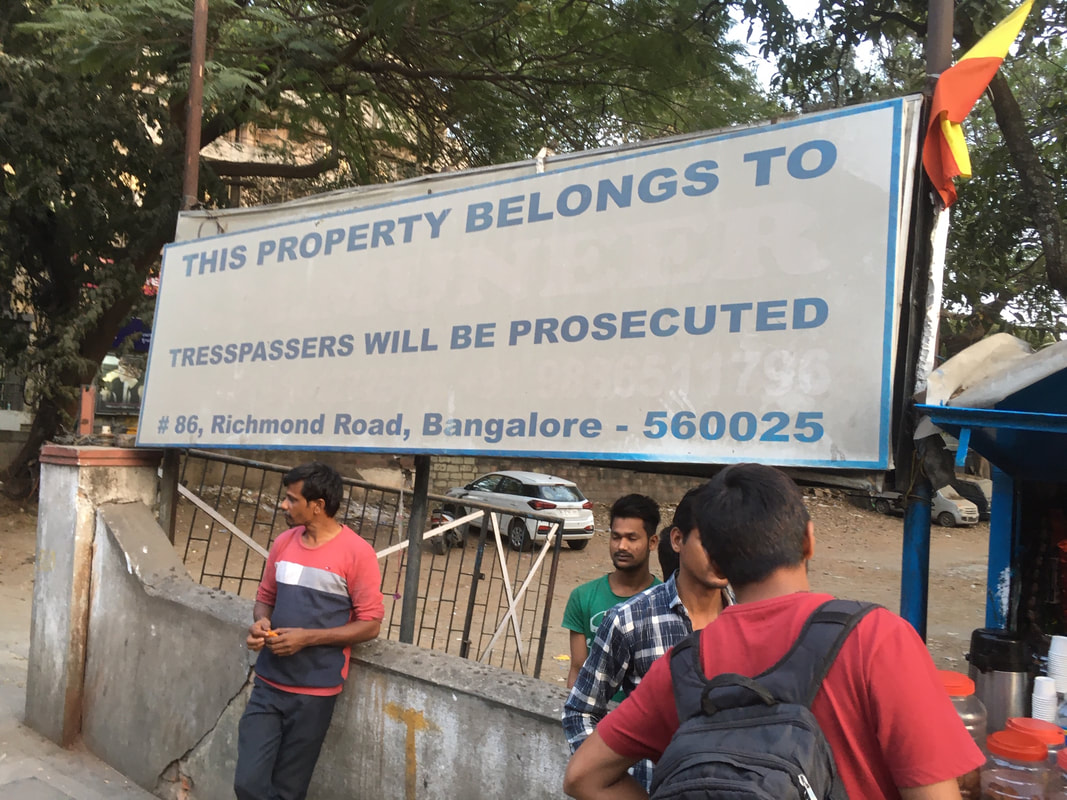 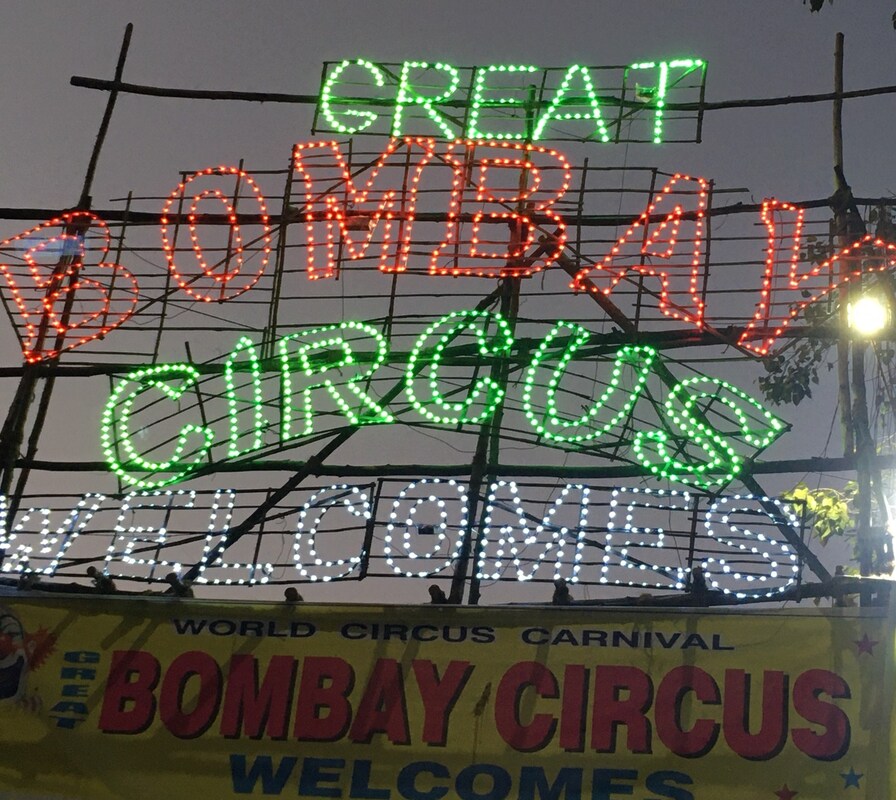 The Great Bombay Circus took down its Big Top in Chennai this week - perhaps for the last time. The circus troupe was established in 1920 - and it seems likely to mark its centenary year by closing altogether. 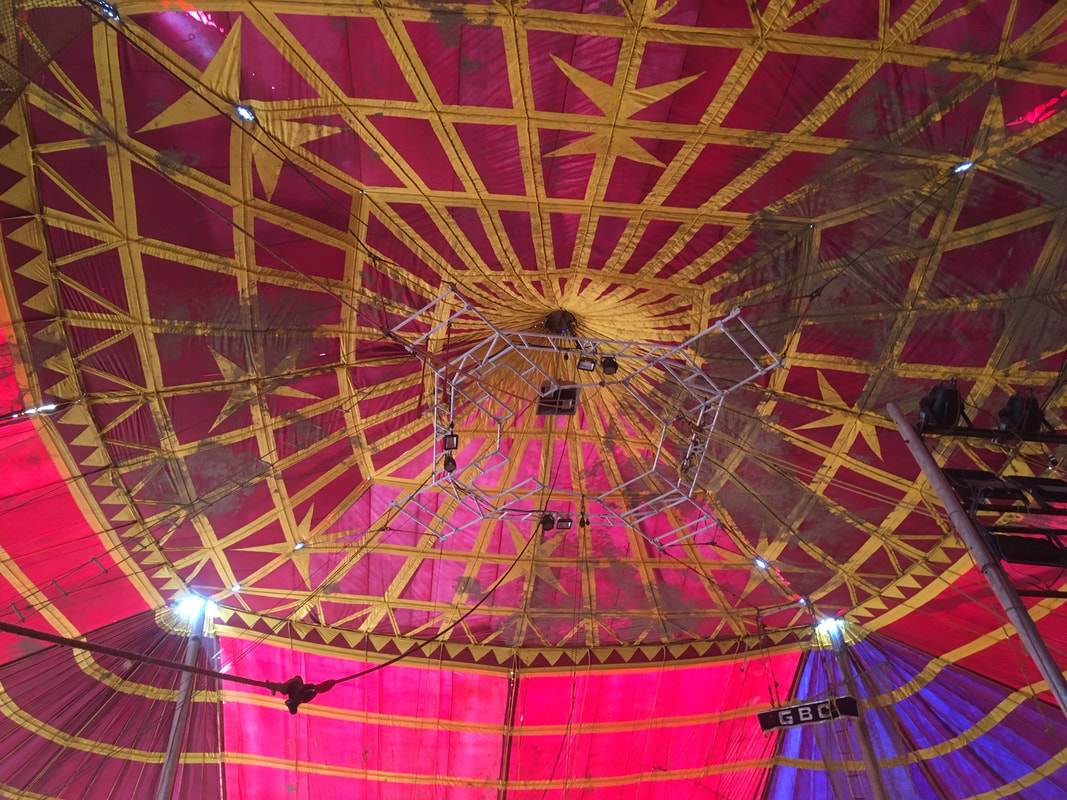 Circuses around the world are finding it difficult to keep going. India's no exception to that. The ban on the use of many animals has aggravated their difficulties - though two camels still appear in the ring, along with performing dogs (that would cause a riot in some countries!), macaws and cockatoos. The clowns, jugglers, acrobats and trapeze acts which are now the mainstay of the circus find it difficult to compete with the increasingly VR-aided digital landscape. I enjoyed my afternoon at the circus. But even the 4pm show on a Saturday - the one you would expect to be the busiest of the week - was well short of full, Many of those attending came bearing cut-out coupons from the newspapers giving them a hefty discount on the entrance price ... though they clearly appreciated the show.
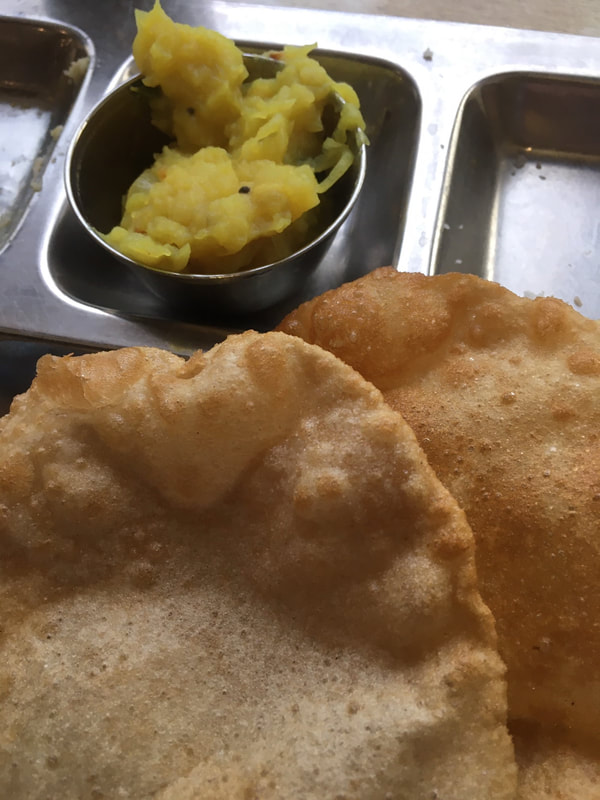
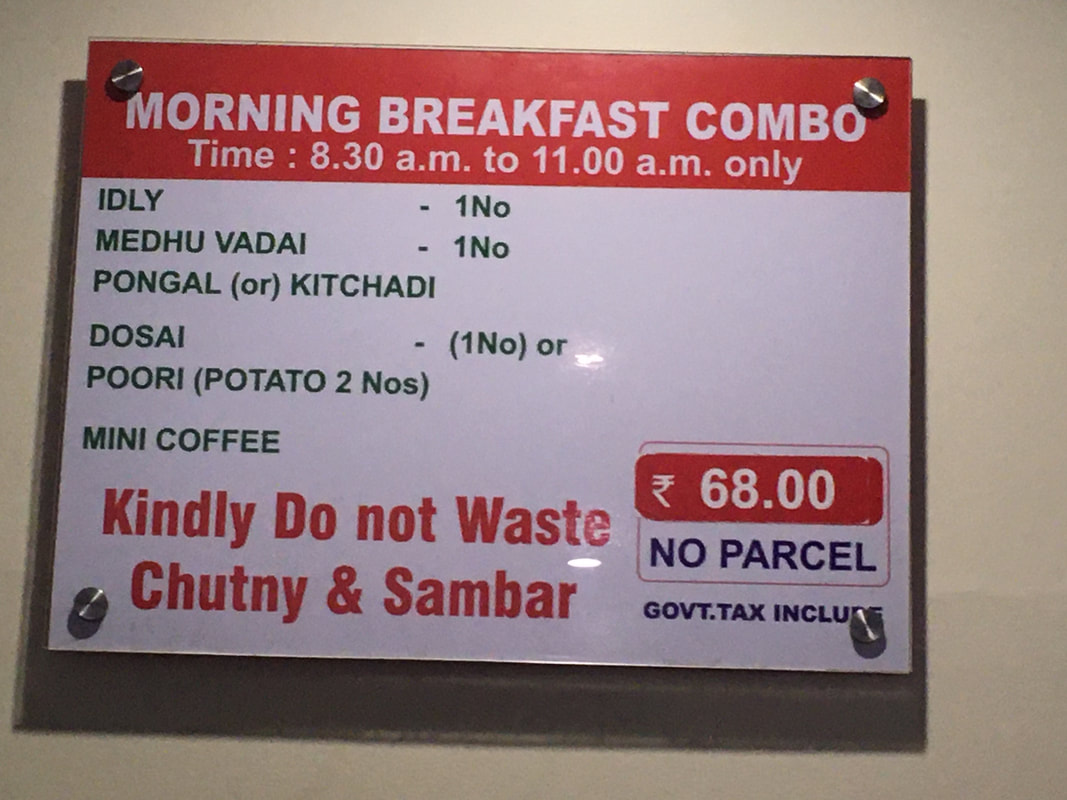
 Some of the Great Bombay Circus clowns have been in that role for decades. Alongside them were acrobats from Ethiopia, Nepal and Manipur in north-east India. The only photography tolerated during performances is on phones - which aren't really up to the difficult lighting conditions. But let me at least share a few images: Happily there is a much more enticing visual record of the Great Bombay Circus's final rendezvous in Chennai ... the excellent Chennai Photowalk arranged for their members to take photographs inside the arena, and have very generously gifted the circus high quality prints of more than sixty of their best images. With the permission of Chennai Photowalk - here's a selection of their handiwork ... and you can see the full circus album by clicking on this link: 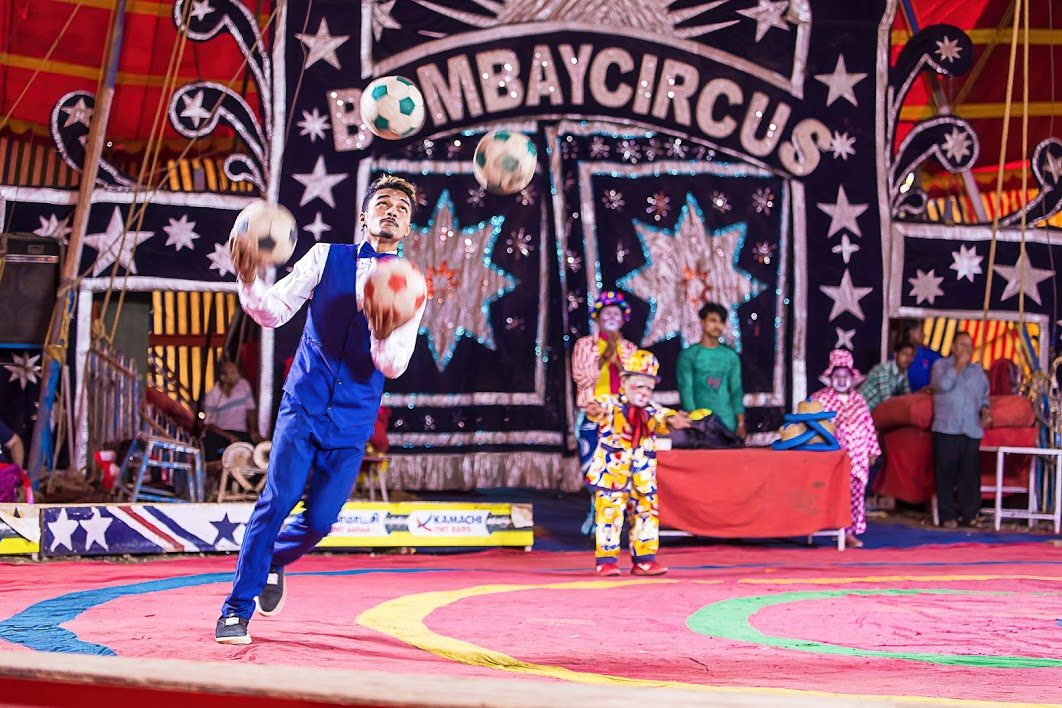 Photo: Maheswaran Karthikeyan, Chennai Photowalk 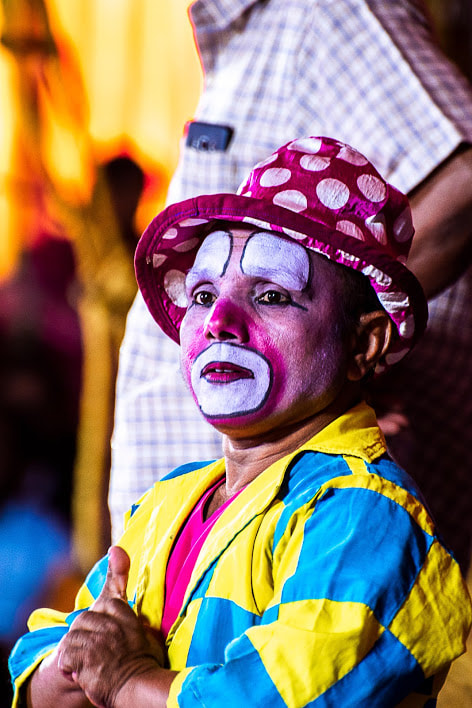 Photo: Balasubramanian, Chennai Photowalk 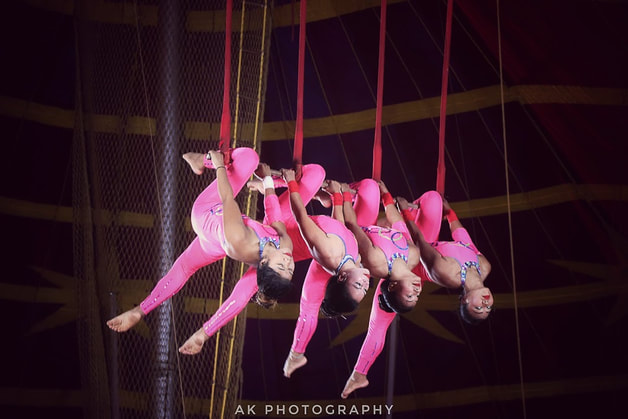 Photo: Ashok Kumar, Chennai Photowalk 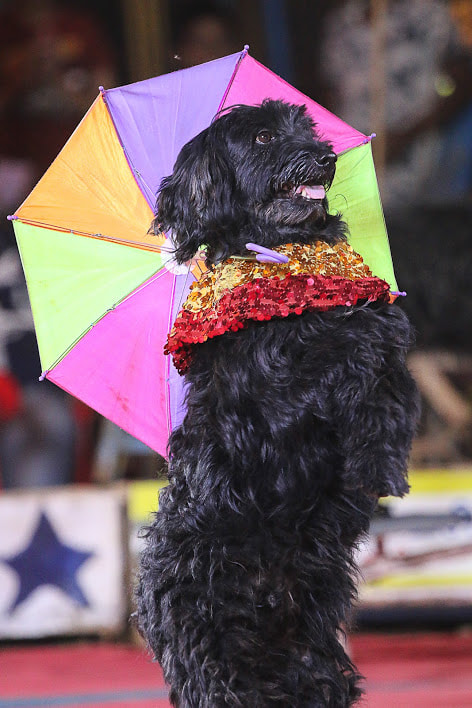 Photo: Balaji, Chennai Photowalk 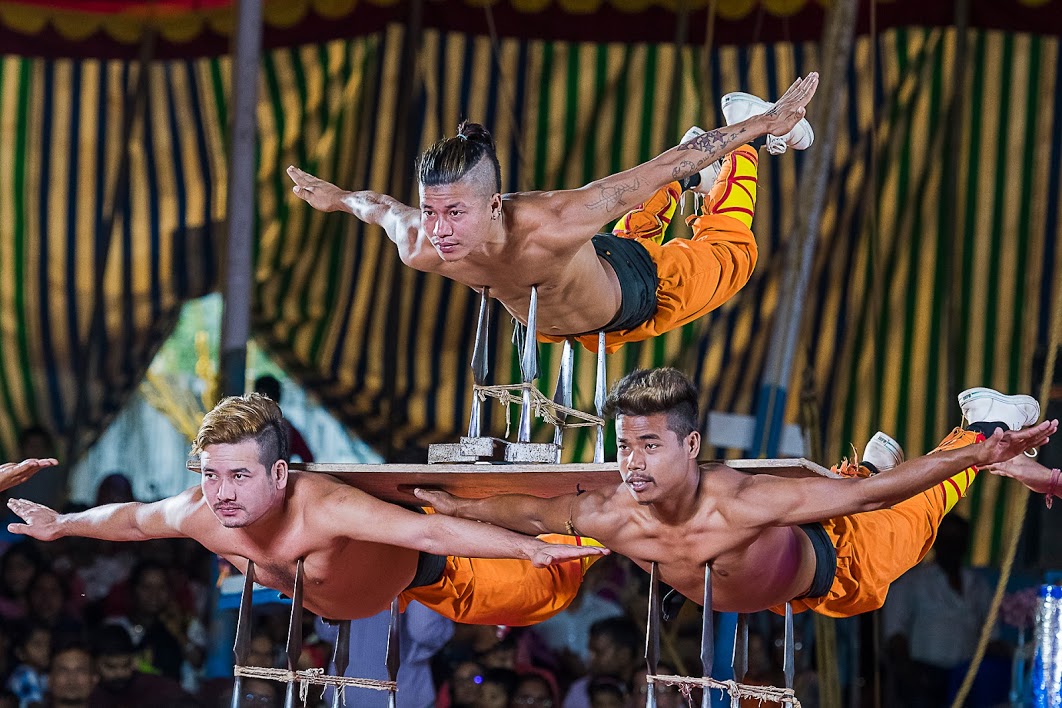 Photo: Rangarajan R, Chennai Photowalk 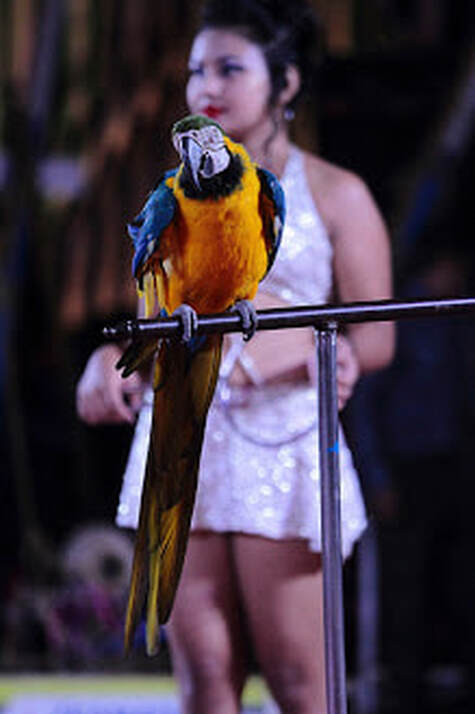 Photo: L.S. Sunder, Chennai Photowalk 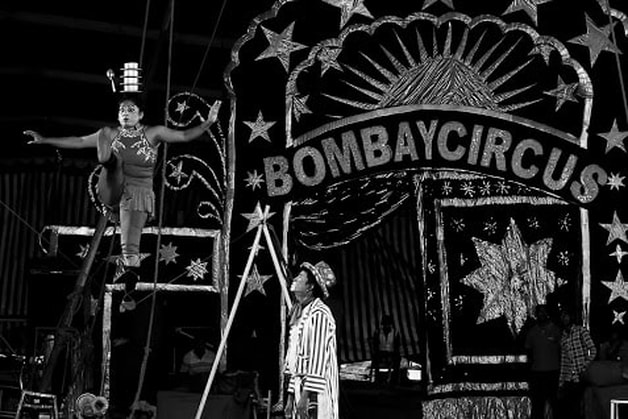 Photo: Rocky Roshan, Chennai Photowalk 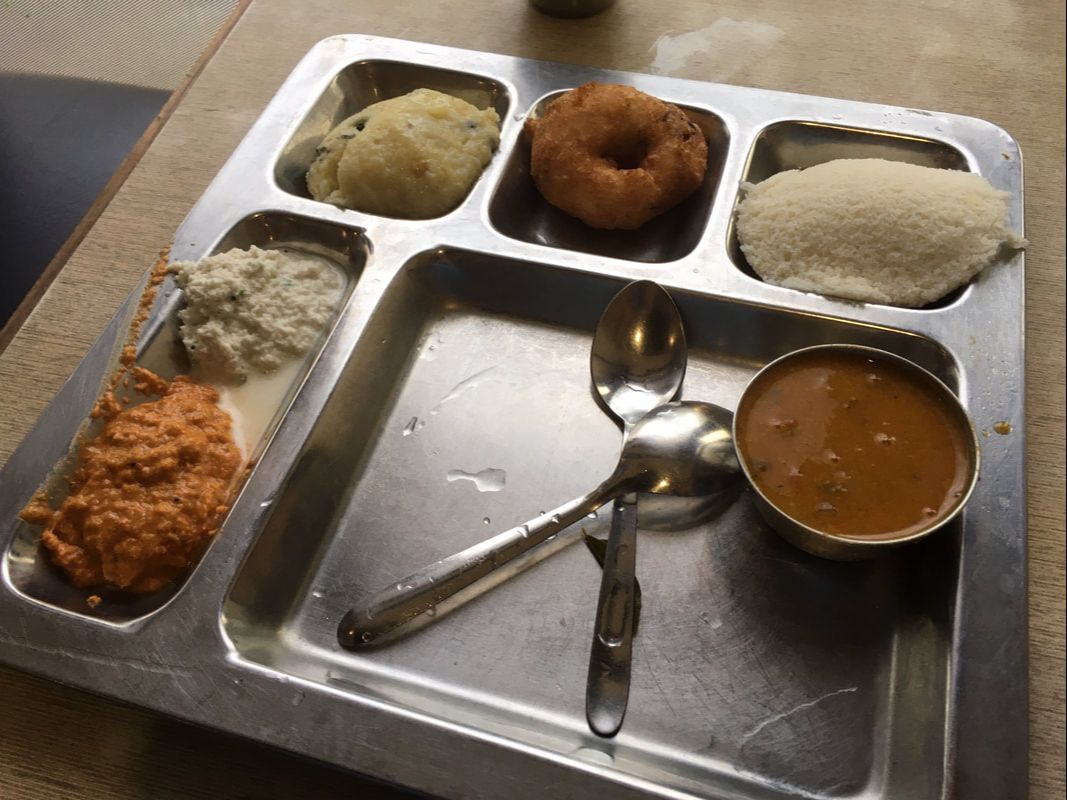 I was out and about this morning and popped in to a vegetarian cafe in Egmore for breakfast. I opted for the 'morning breakfast combo. What a treat! So we have - going clockwise from the bottom left - spicy tomato chutney, coconut chutney, pongal, vadai, idly and sambar. All freshly cooked. And that was just for starters ...
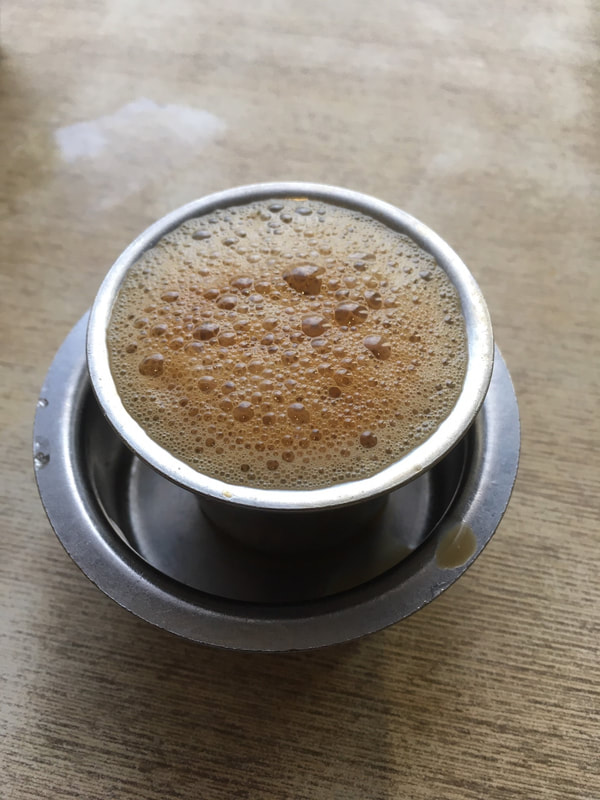
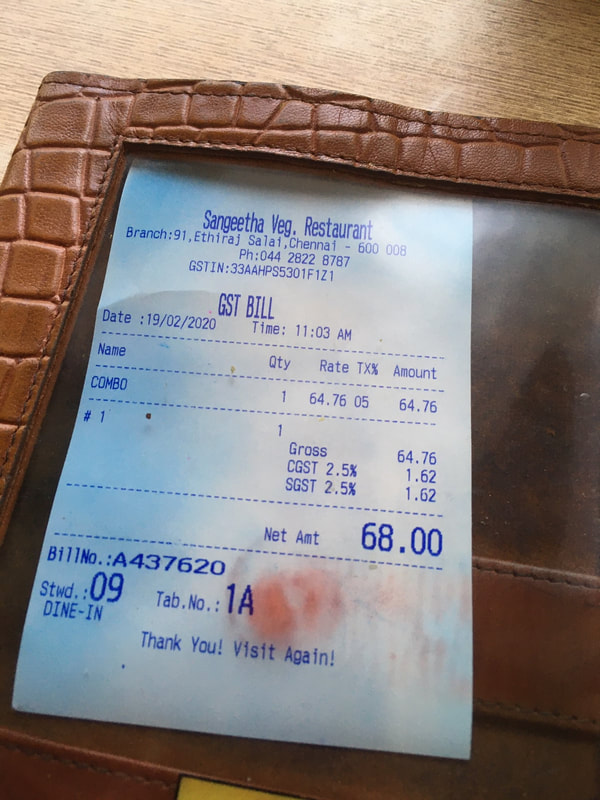
That was followed by poori aloo (I could have opted for a dosa instead) and sweet, strong south Indian filter coffee. Piping hot and quite delicious. 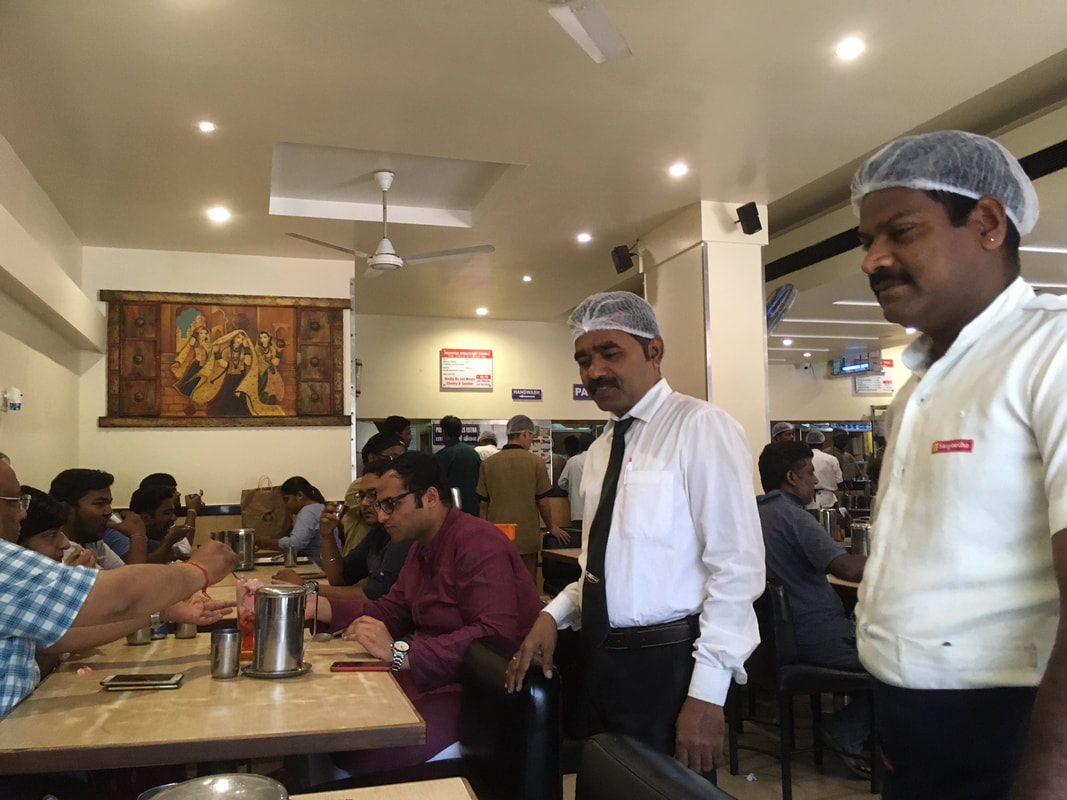 The bill came to 68 rupees - that's about 75 pence. Wonderful value!
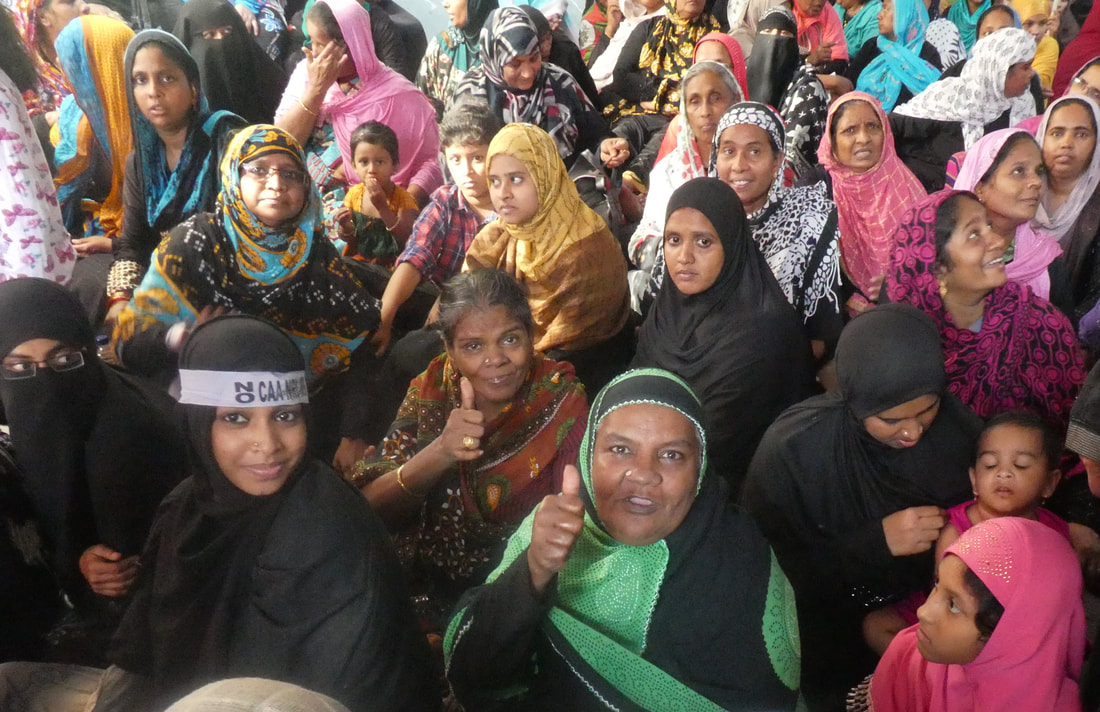
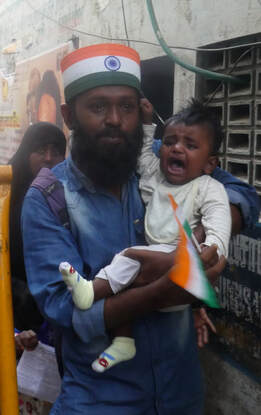
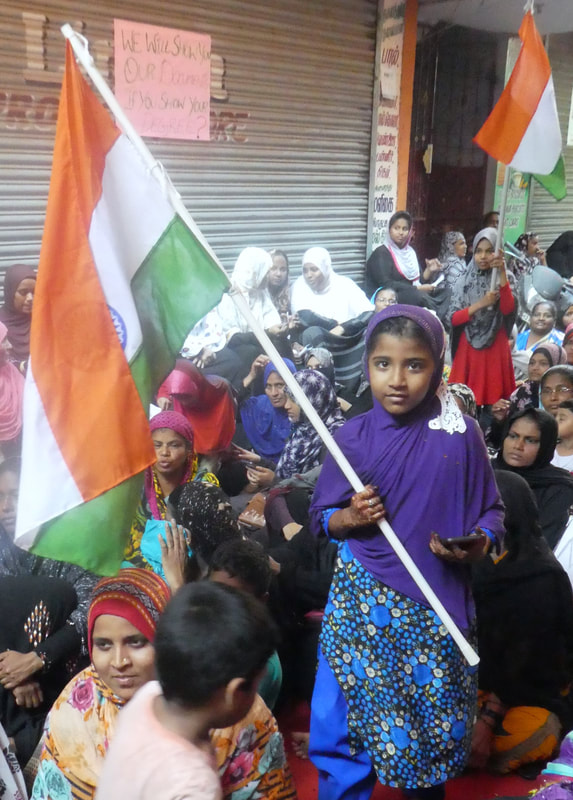
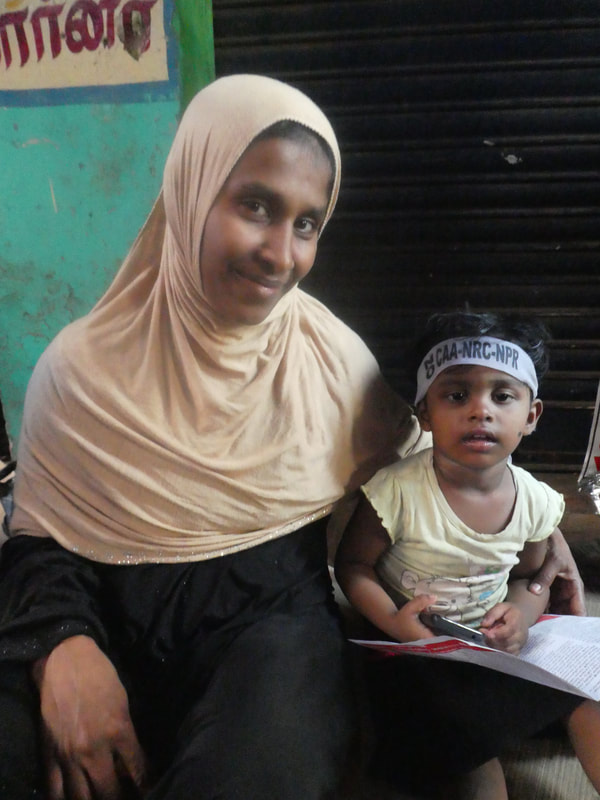
And no, I wouldn't dream of wasting the chutney or sambar. 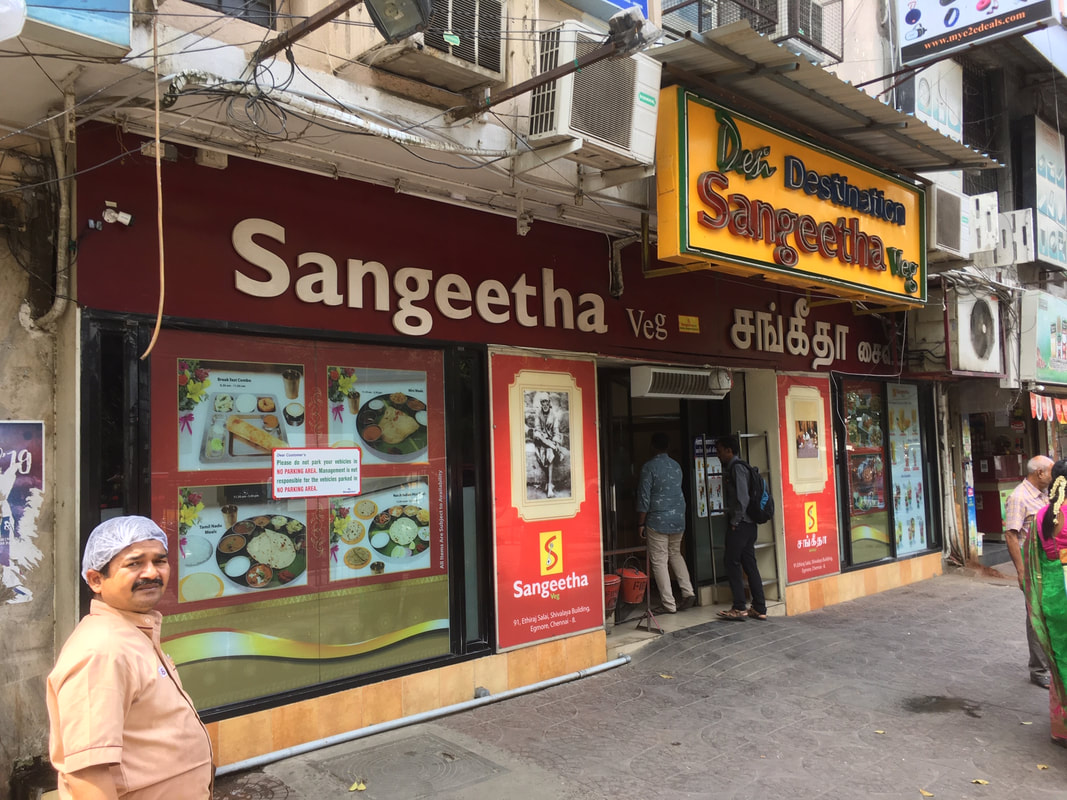 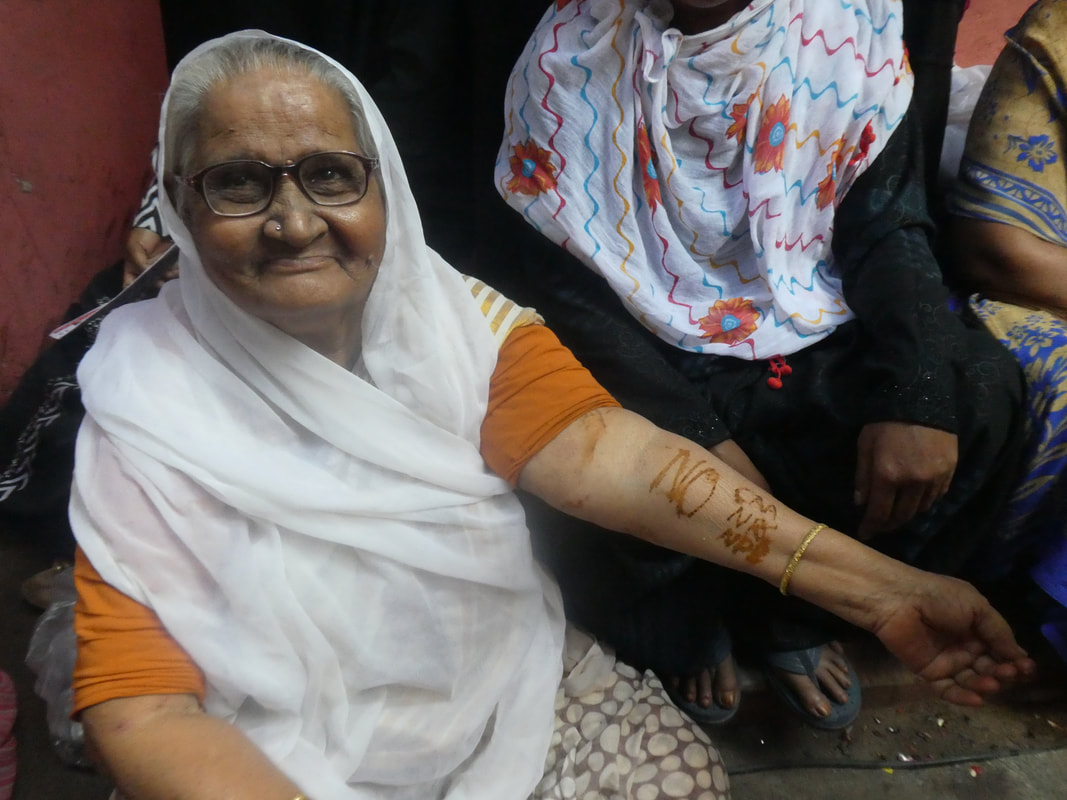 'No CAA'. That's the demand of the women of Washermanpet - a crowded, mainly Muslim locality in north Chennai. And for the past couple of days, hundreds of women have blocked roads staging a protest to demand the revocation of the Modi's government's Citizenship Amendment Act. 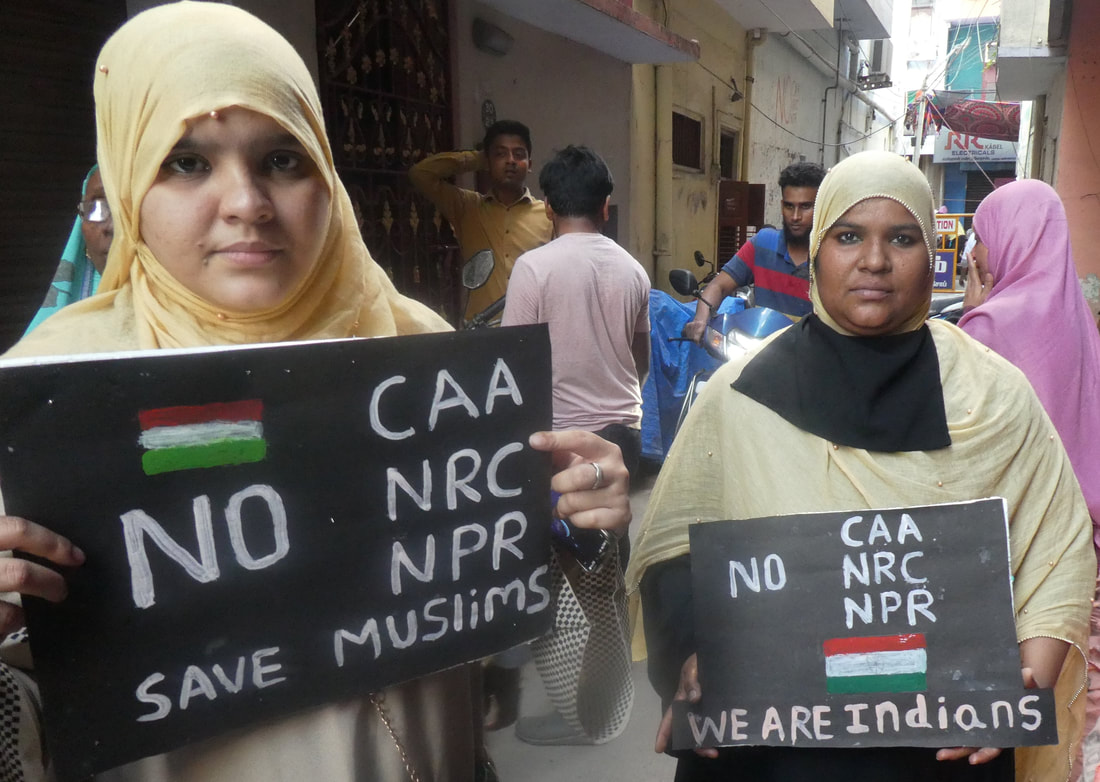 The provisions of the act are complicated - but in essence it for the first time (in particular circumstances) links religion with eligibility for Indian citizenship, and in such a way that it disadvantages Muslims. For many Indians, it's a repudiation of the explicitly secular basis of India's constitution; for many Indian Muslims, the act - and what they see as the linked National Register of Citizens and National Population Register - makes them feel second-class citizens.
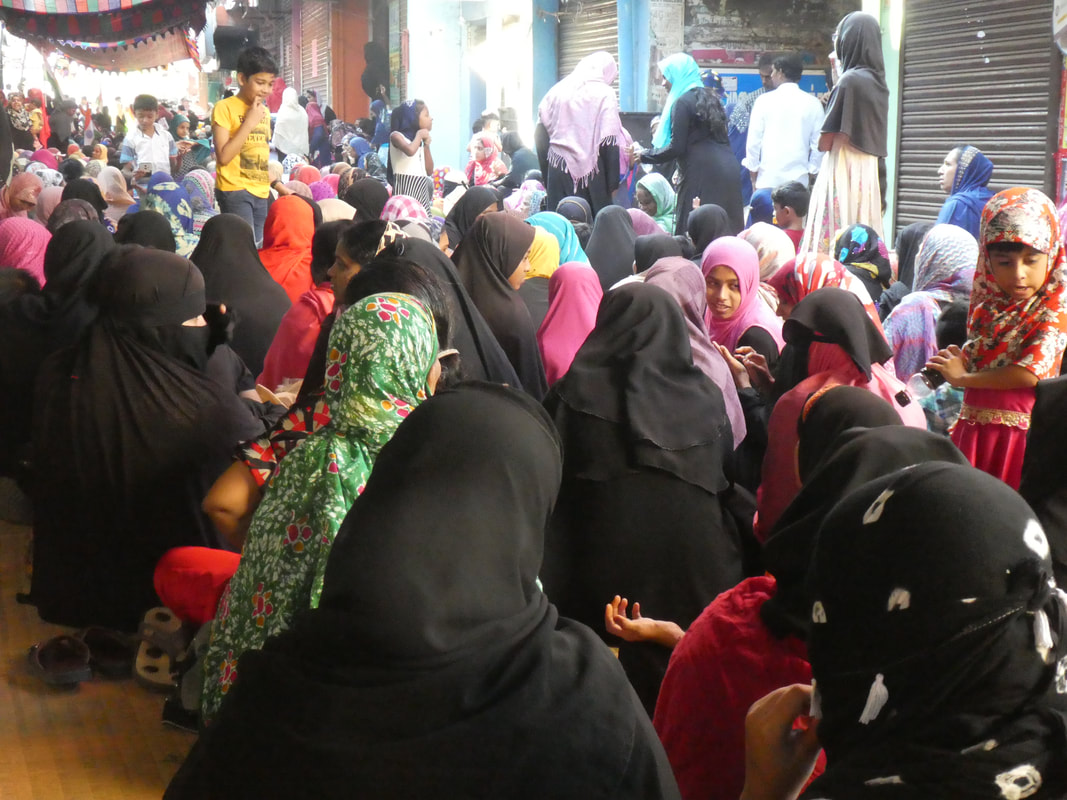
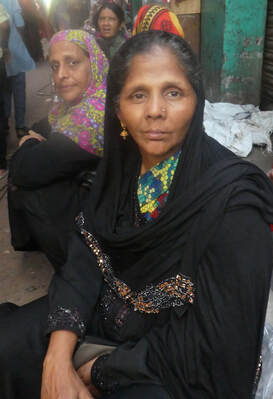
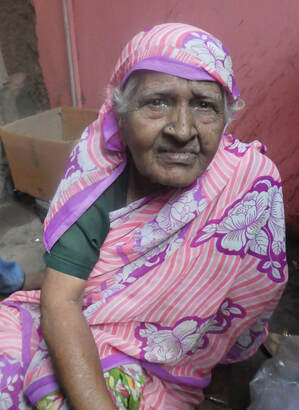
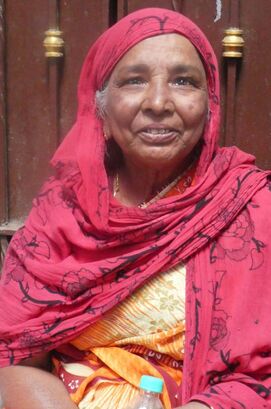
The Indian flag was prominently on display at the protest as Muslims demonstrated their patriotism - but how sad that a community feels the need to wave the flag so ardently to show that they are loyal Indians too. Hindus outnumber Muslims in India by more than five-to-one - but that still means there's approaching 200 million Indian Muslims. And on the issue of the CAA, many Muslims - and students and others deeply unhappy at the Hindutva (Hindu nationalist) policies of the government - have taken to the streets to protest. Remarkably, it's Muslim women - unattached to political party or pressure group - who have taken the lead. 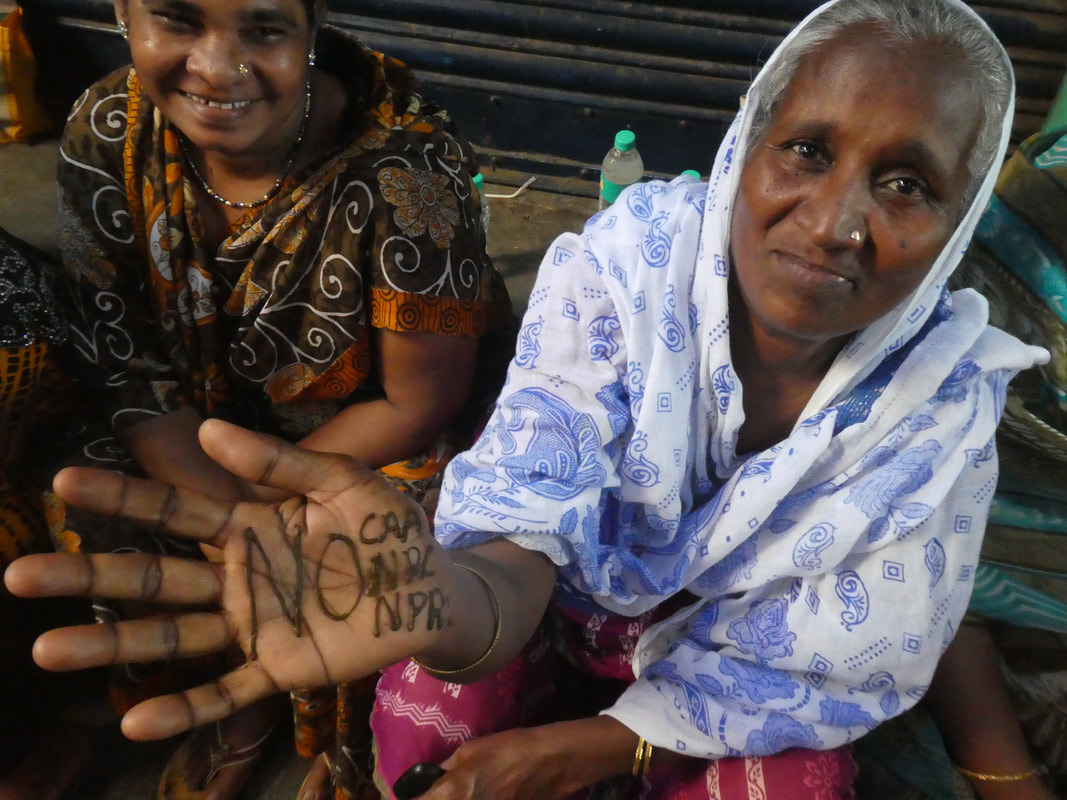 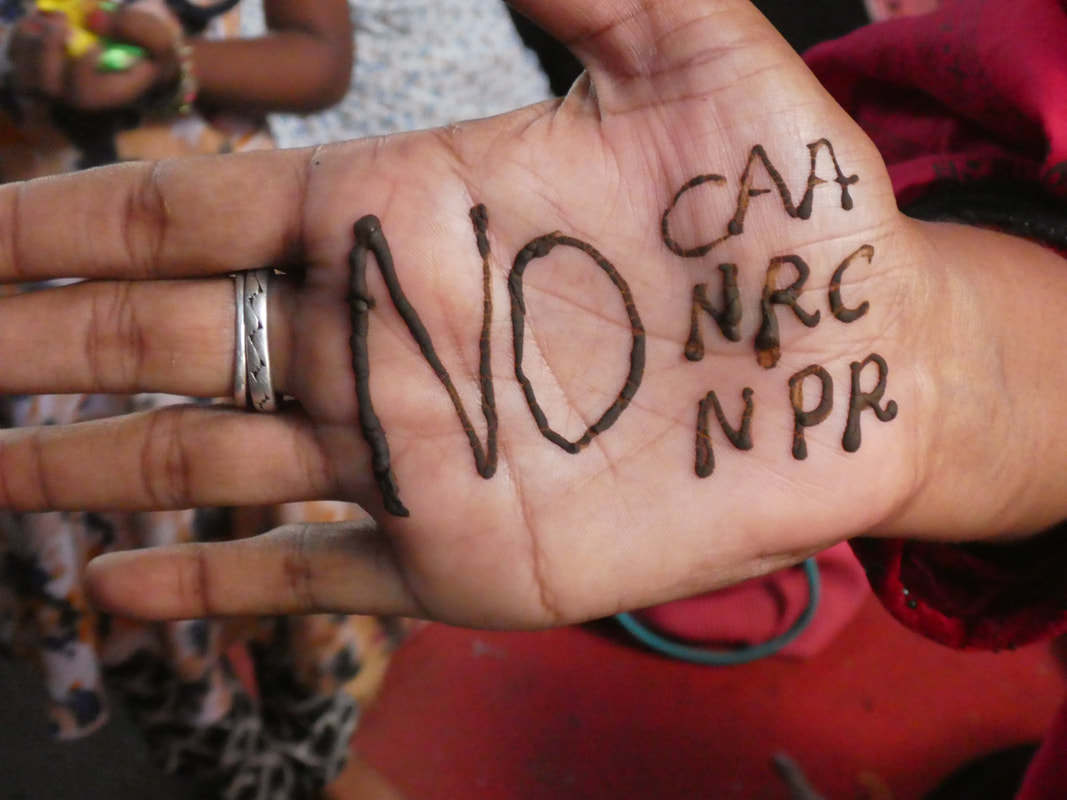 The street protests started at Shaheen Bagh, an otherwise little noticed and run down Muslim neighbourhood in south Delhi. The entirely peaceful sit-in there has been going on continuously for a couple of months. Protests spread to campuses and other localities across the country. The police have on occasions responded brutally, ransacking colleges and lashing out with their lathis (outsize truncheons) at protesters whom the authorities seem to regard as anti-nationals. Campaigners against the CAA estimate that as many as twenty people may have died - mainly in north India - as a result of the police attempts in recent weeks to quell and disperse protests. 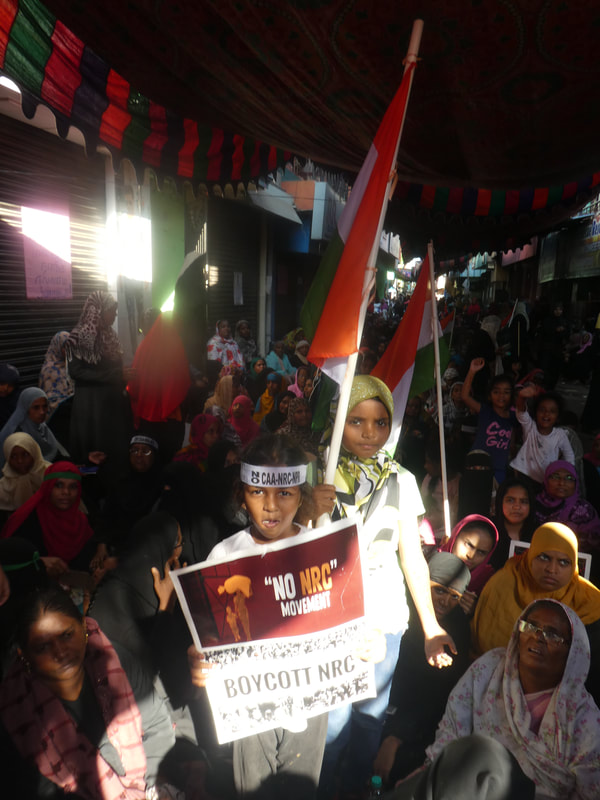 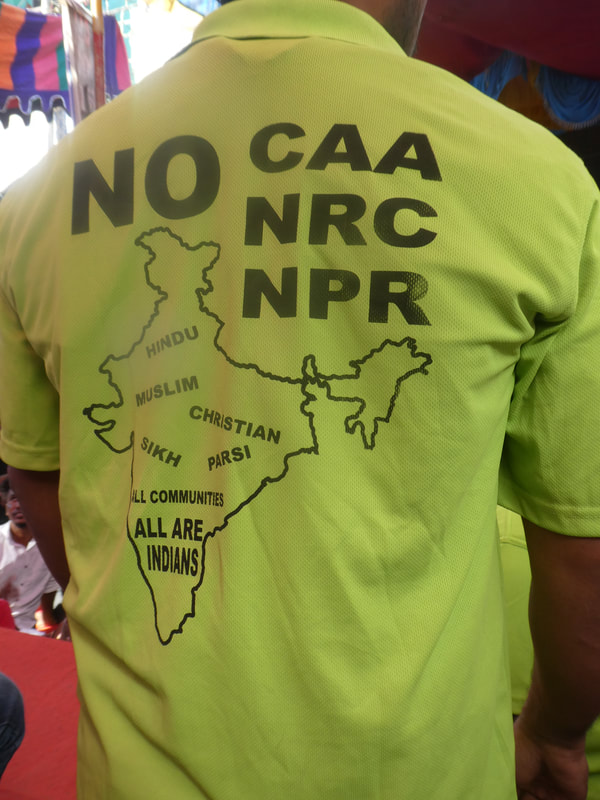 The women's protest in Washermanpet - the area got its name because this was where dhobis, laundry men, congregated and where for generations Madras's clothes got washed - started on Friday. That evening there were scuffles between police and some of the protesters. At least three members of the police ended up in hospital; more than a hundred people were reportedly detained. As has happened elsewhere, that violence - for which local people blame the police - has increased the women's determination to persist in their protest. When I went along on Sunday afternoon, they were well organised, in good spirits and in impressive numbers (I would estimate that about 500 women were assembled). The women have mats to sit on and basic canopies to protect them from the sun. When I turned up I was asked to register at the media desk and given a media card to hang round my neck - a young man served as an escort round the protest area and was both helpful and resourceful. Vegetable biryani and bottles of water are provided for the protesters - and these guys were boiling milk to make tea, 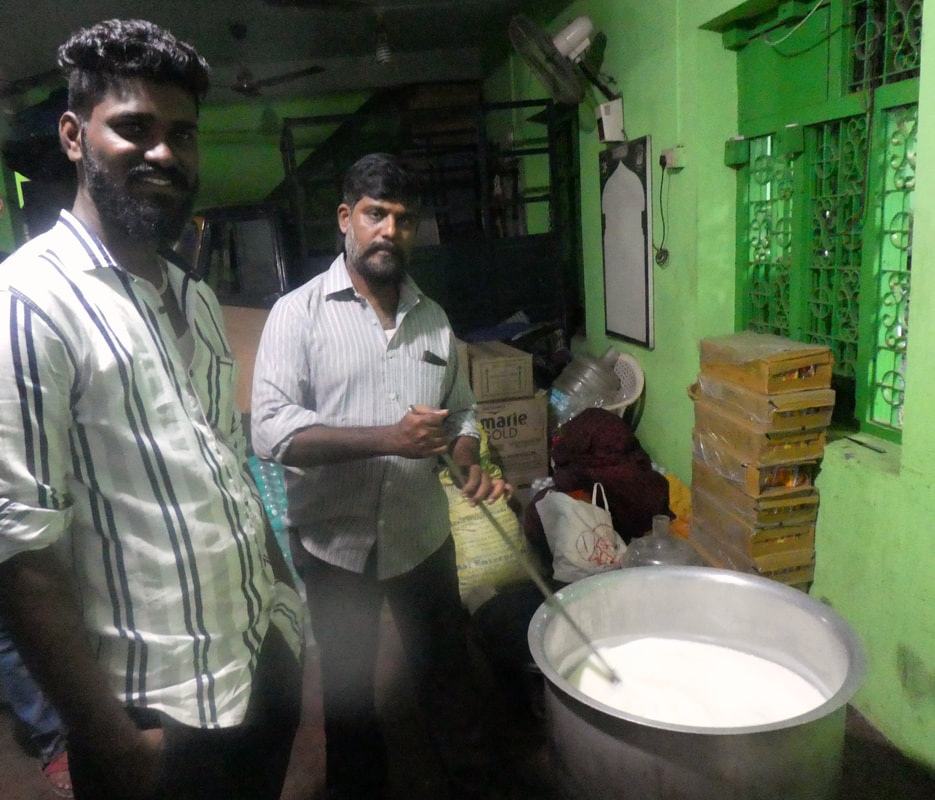 Many women have used henna to put slogans on their hands, which they were proud to display. Some women have painted political messages on children's arms - there are dozens of children, some babes in arms, at the sit-in site, and most seem to be enjoying themselves. 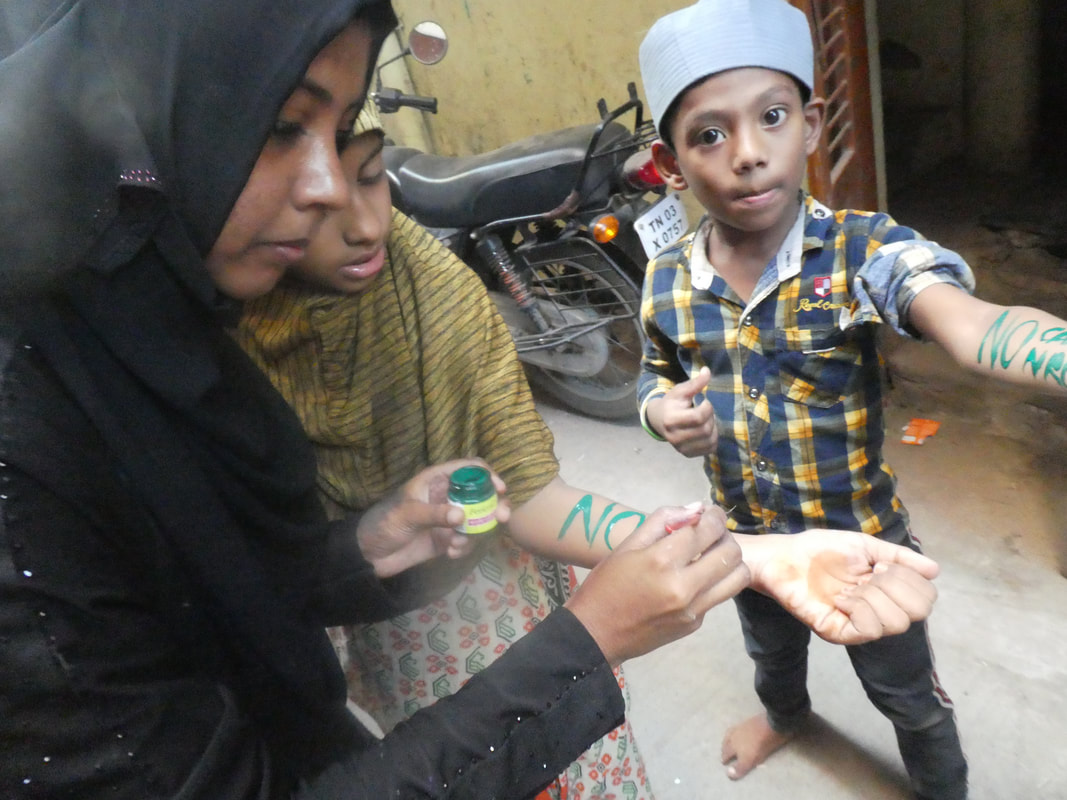 While the protesters are overwhelmingly Muslim, I came across this Hindu family sitting apart from the many body of campaigners, but enjoying the festive mood and clearly supporting the women's cause. 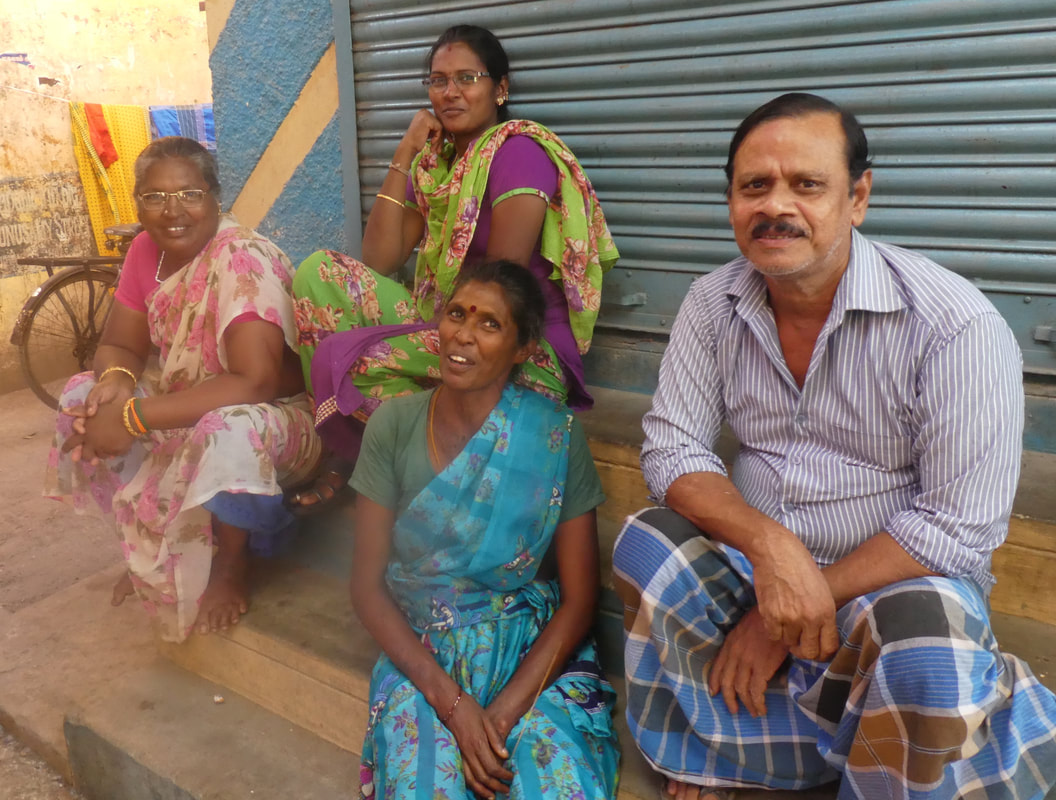 In a mirror image of the normal way Indian protests and outdoor rallies are organised, there's a small pen at the front of the sit-in for men. But some things don't change ... on the podium this afternoon, it was all men, even though the sit-in is a women's initiative. When women have found their voice, it would be nice if the men listened for once. 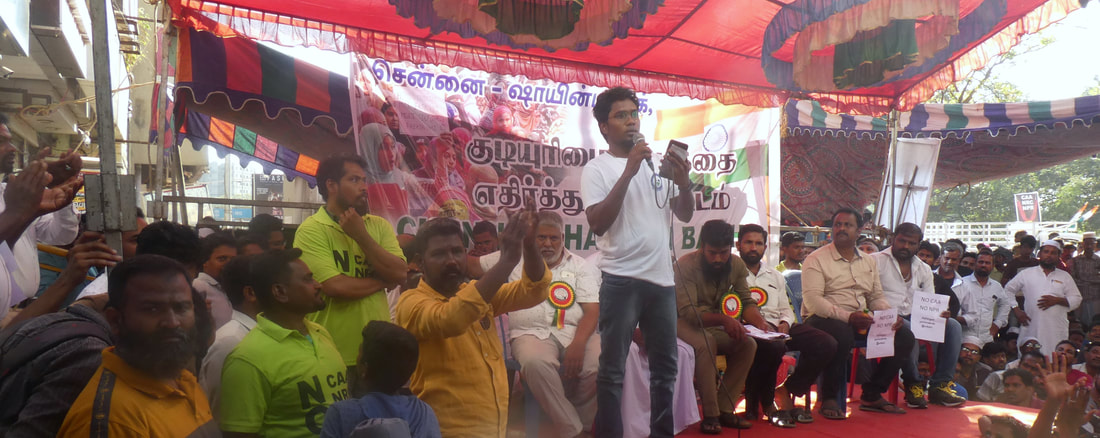 Let me leave you with images of the women of Washermanpet - assertive and confident women who know what they want. 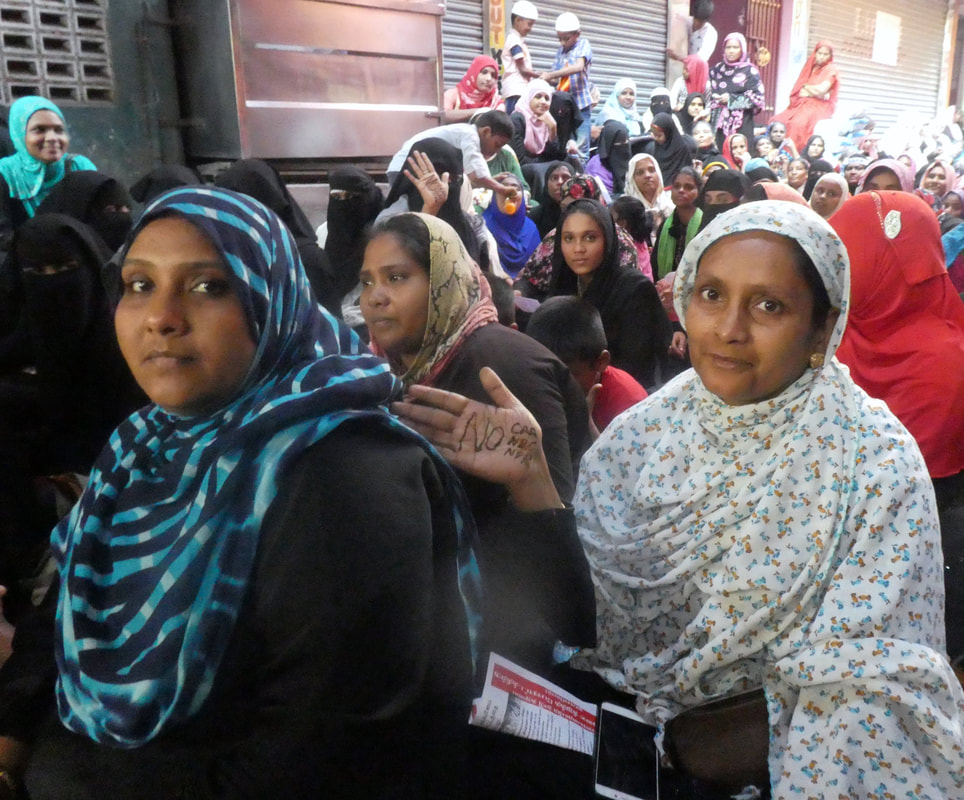 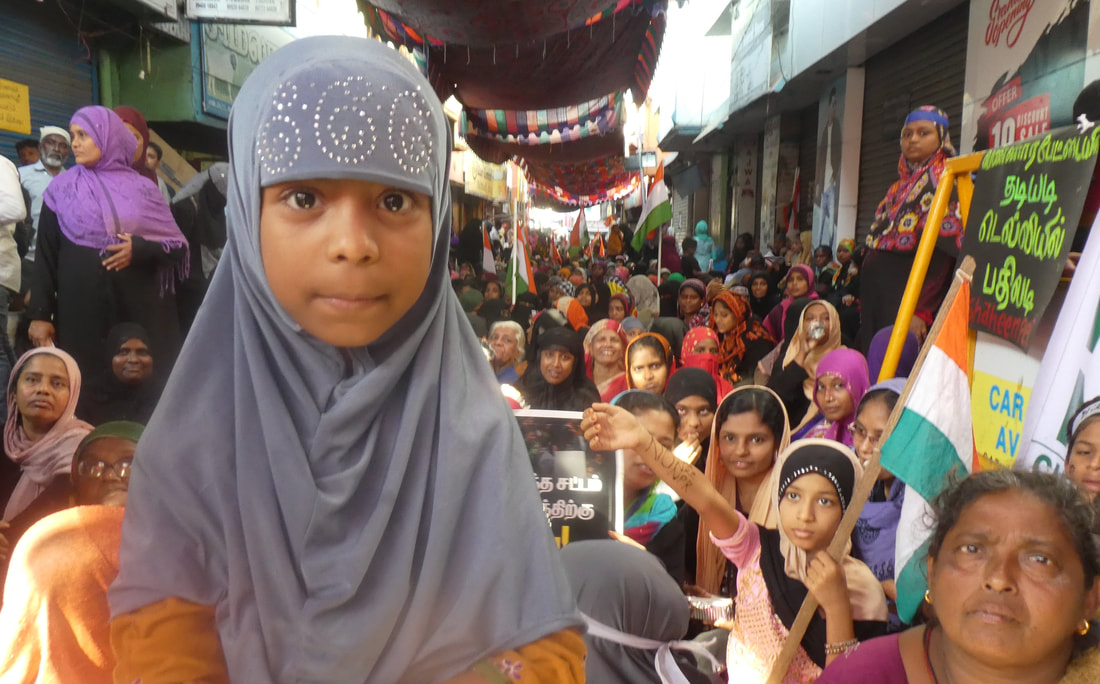 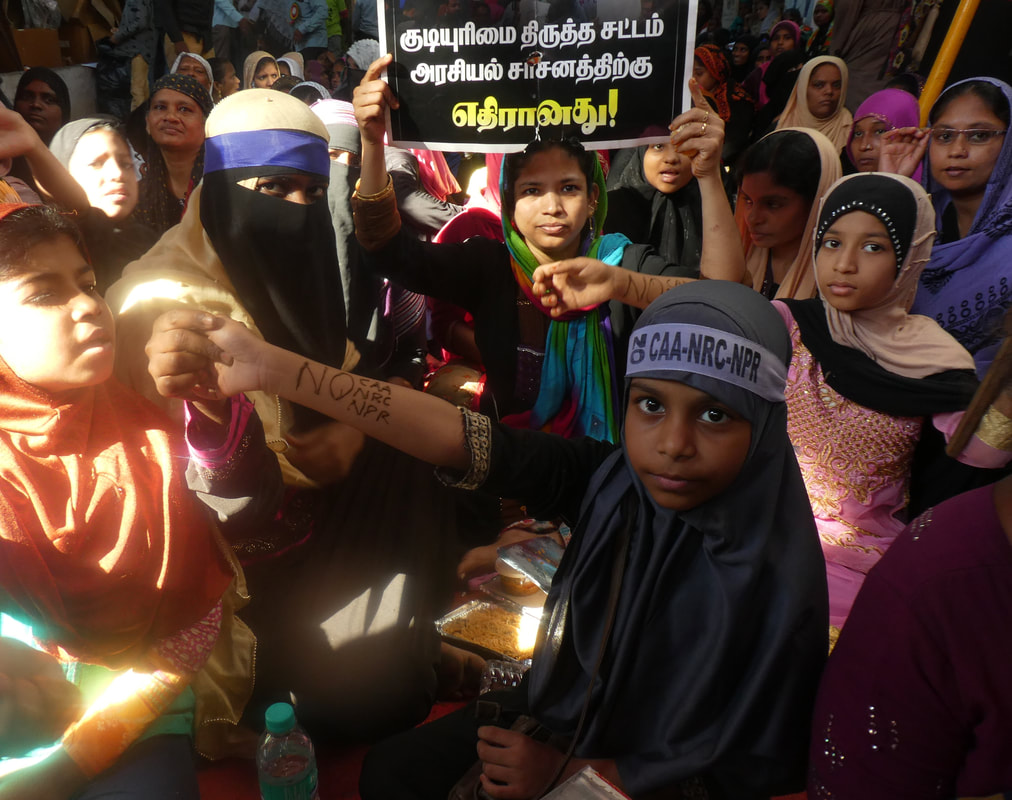
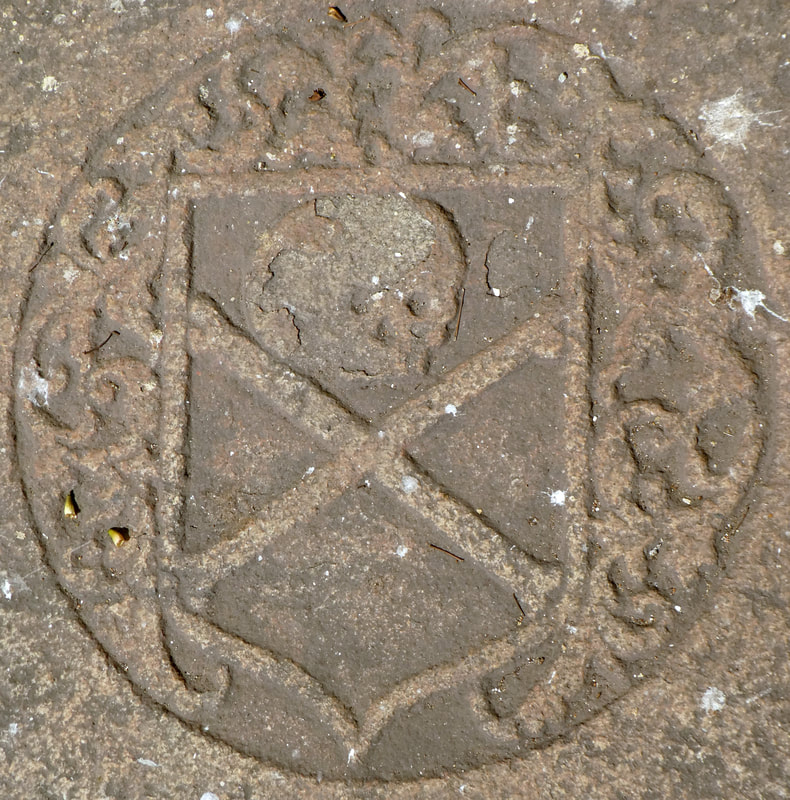
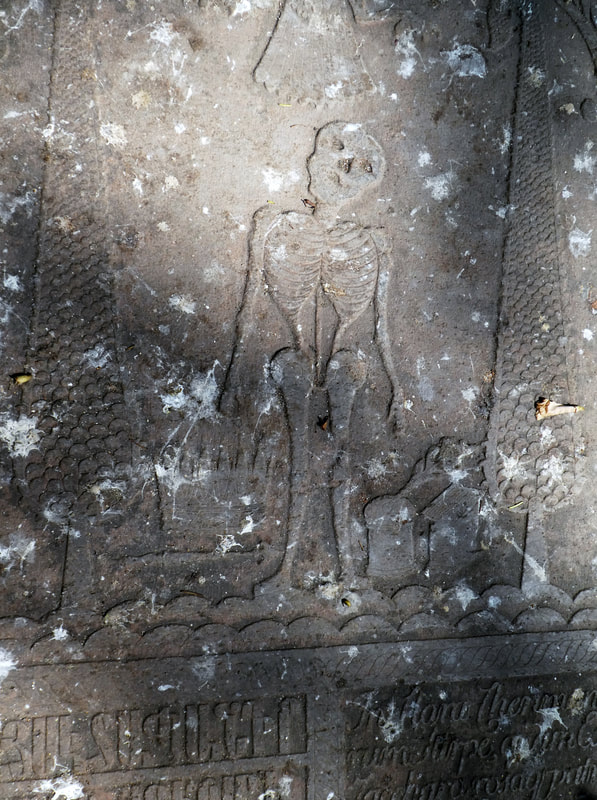
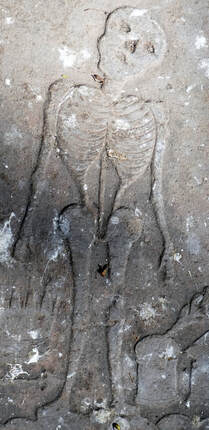
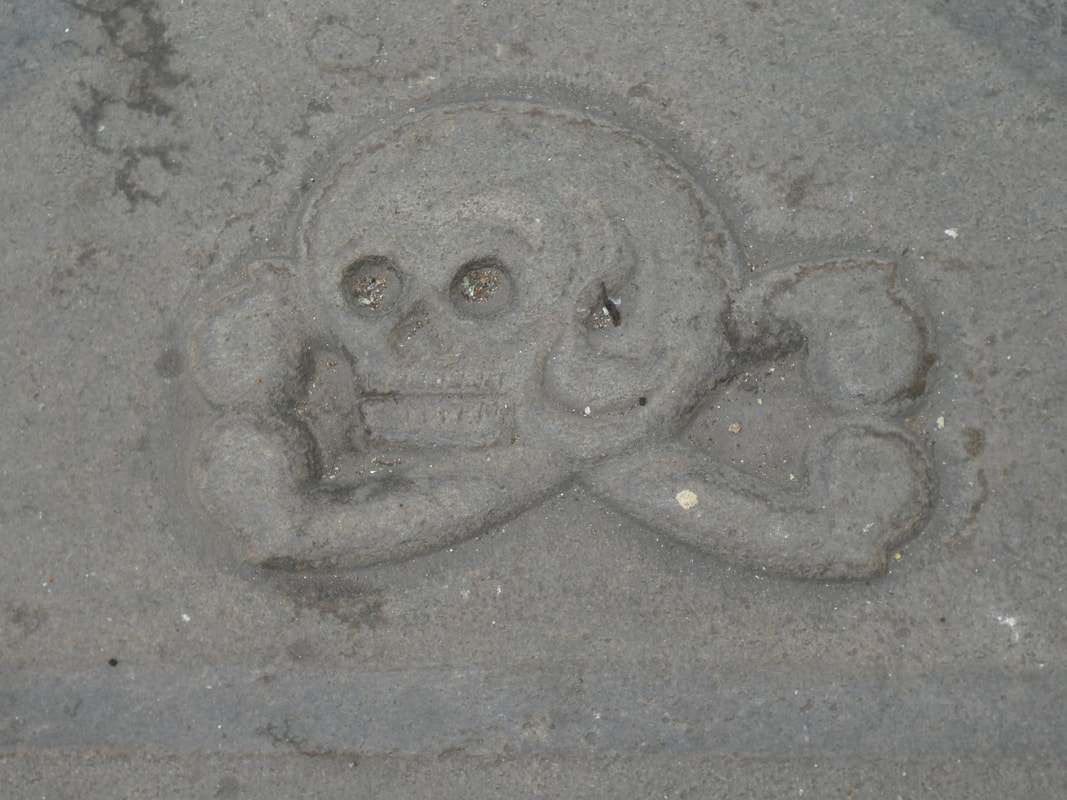
 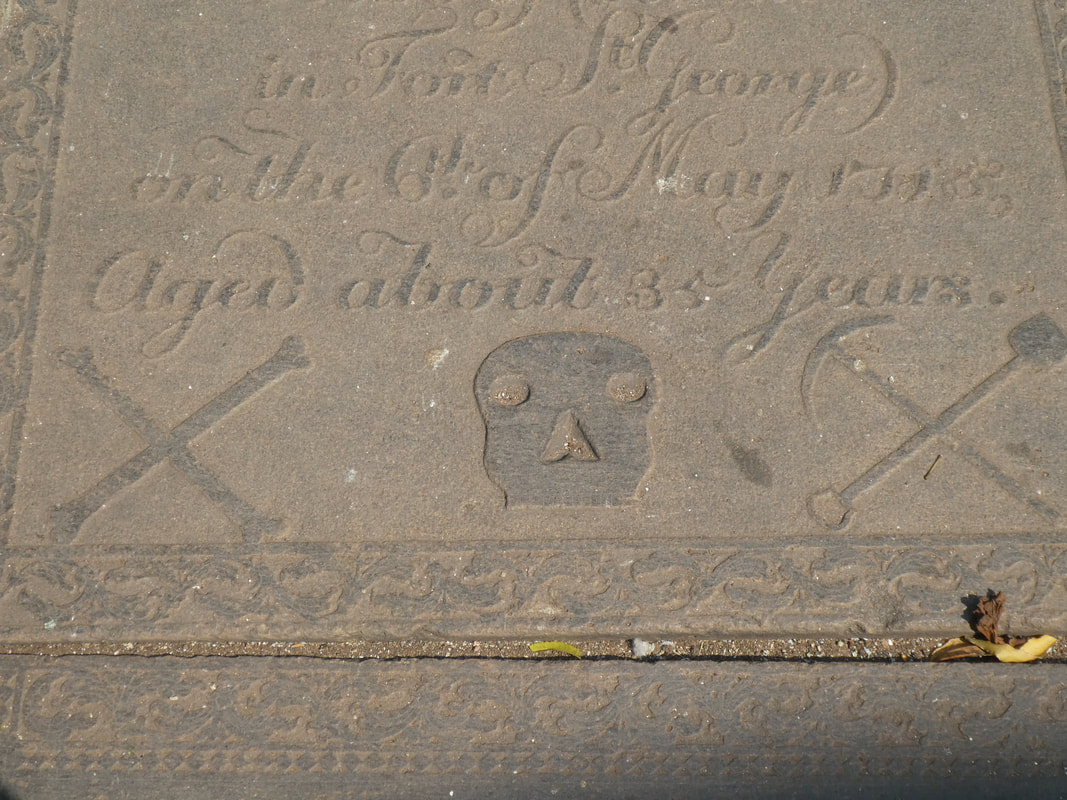 Memento Mori - reminders of death. For a while in the seventeenth and early eighteenth centuries it was customary to incorporate these rather gruesome icons - a skull was the most common - into gravestones and memorials. 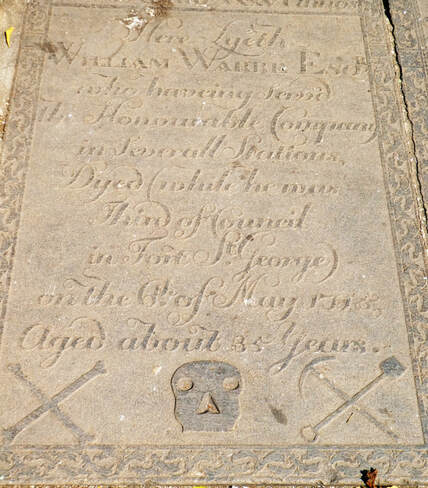 St Mary's church in Chennai - the oldest Anglican church in India - harbours quite an array of these ghoulish motifs. Most of the gravestones now placed around the church are from the first half of the eighteenth century, when these memento mori were in vogue. This gravestone features skull (not too artistically rendered), crossbones and the gravedigger's pick and shovel. It's like the winning line in a memento mori slot machine. The grave dates to around 1716. It's the resting place of William Warre of the East India Company - Bradford-born according to a family history site - who died 'aged about 35'. Another gravestone features an image even more macabre - a full skeleton, now somewhat marred by pigeon droppings -
The craftsmanship is less than stellar, but the stark reminder of the inevitability of death - dust to dust, ashes to ashes - is inescapable. 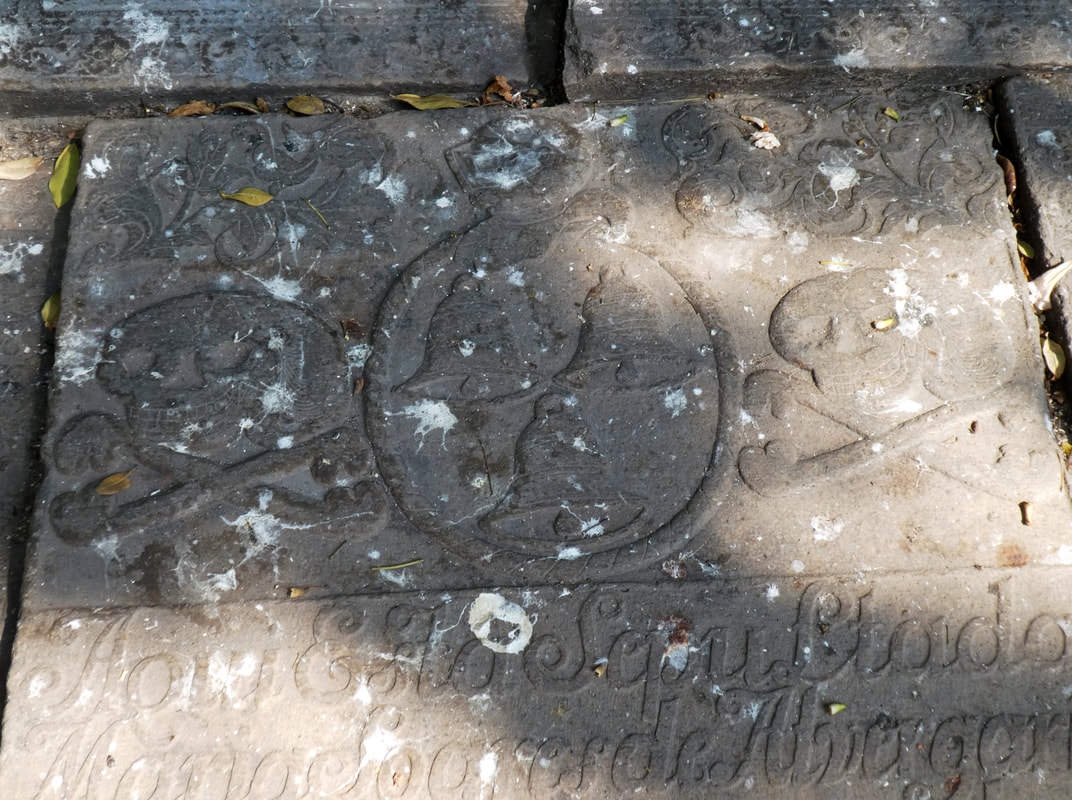
 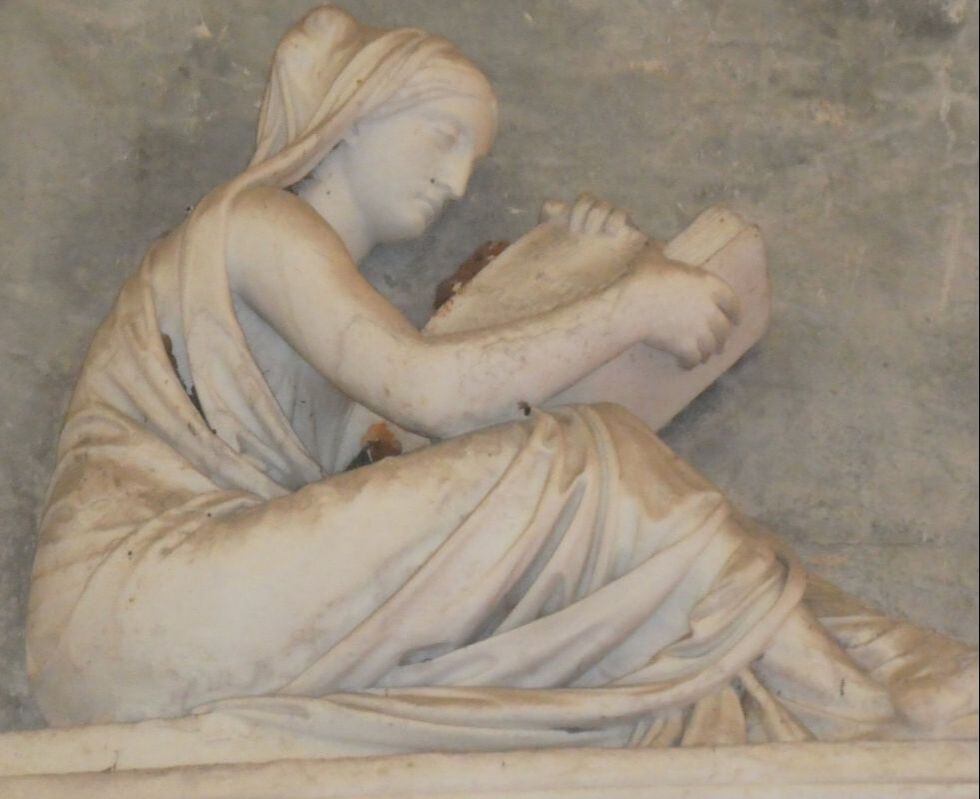 For generations until the mid-nineteenth century, English men serving in India often had a bibi - an Indian woman who was partner, lover and wife (though usually denied official recognition of that status). The bibis of colonial India were rarely memorialised - they found little mention in the official record - when their husband went back to England, they were usually left behind to bring up any children of the relationship as best they could. These women and their European partners were the begetters of the distinct Anglo-Indian community in India, which still survives though much reduced in number and status. I hadn't expected to find an imprint of the bibi in the oldest Anglican church in India, St Mary's - a late-seventeenth century church situated within Fort St George in Chennai. But it's surprising what you come across ... 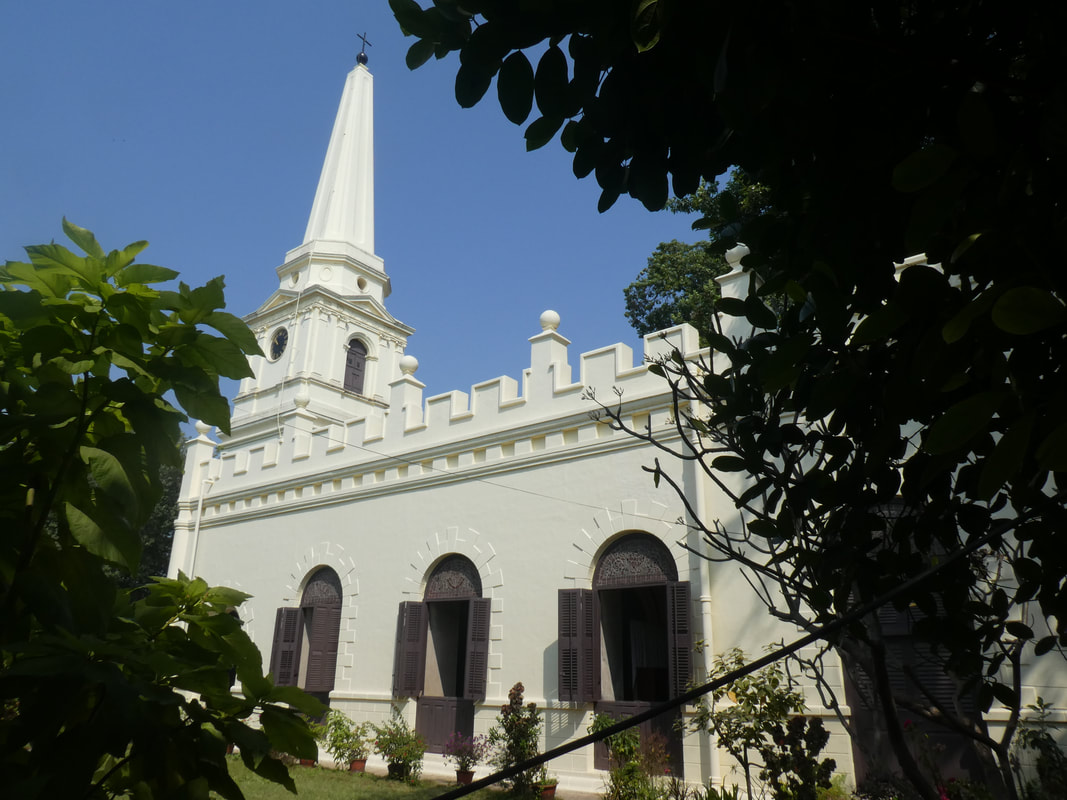 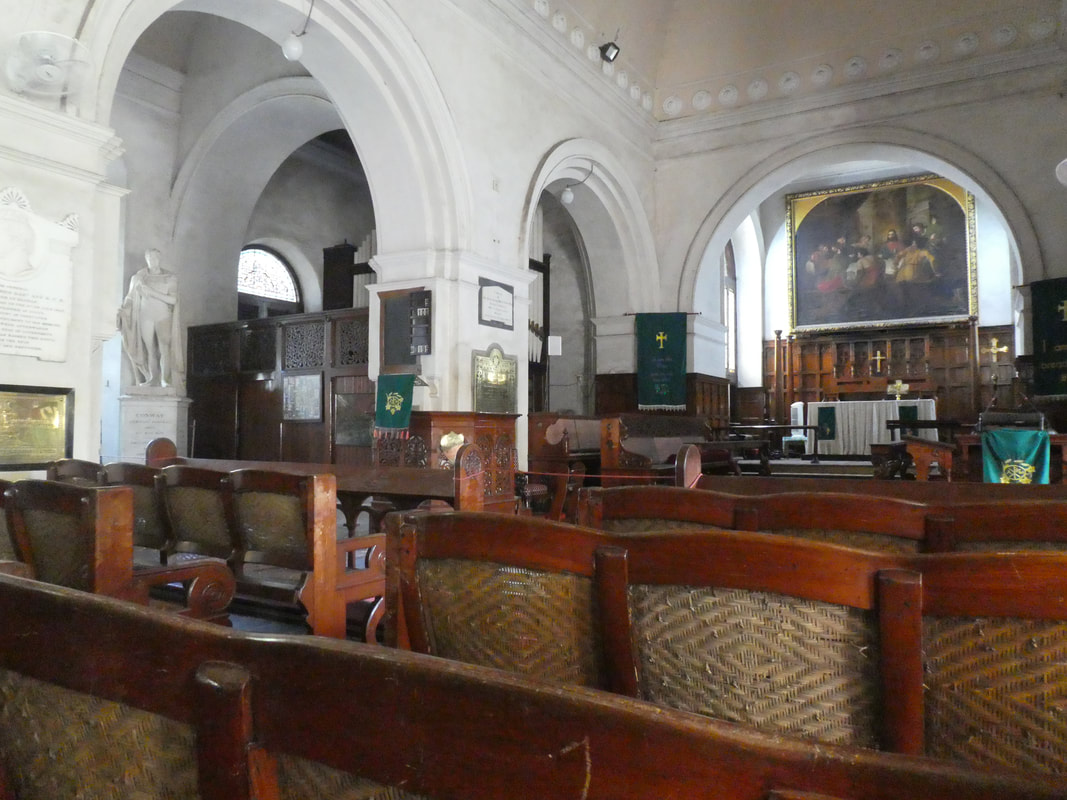 St Mary's was consecrated in 1680 and rejoices in being the oldest Anglican church east of Suez. From the early 1800s, its status declined with the construction of much grander Anglican churches elsewhere in what was then Madras, near where the increasingly prosperous and numerous British community built their villas. St Mary's became mainly a garrison church. But it remains in use as part of the Church of South India and has a small but loyal congregation. As you would expect, St Mary's has a wonderful array of statues, memorials and tablets commemorating the agents of Empire and its religion who served - and died - here. One particularly tragic tablet reflects that the British in India were not settlers. After more than thirty years in India and his return 'having been deferred to too late a season', the unfortunate Colonel W.H. Atkinson died on his sea passage back to England at the age of fifty-two. 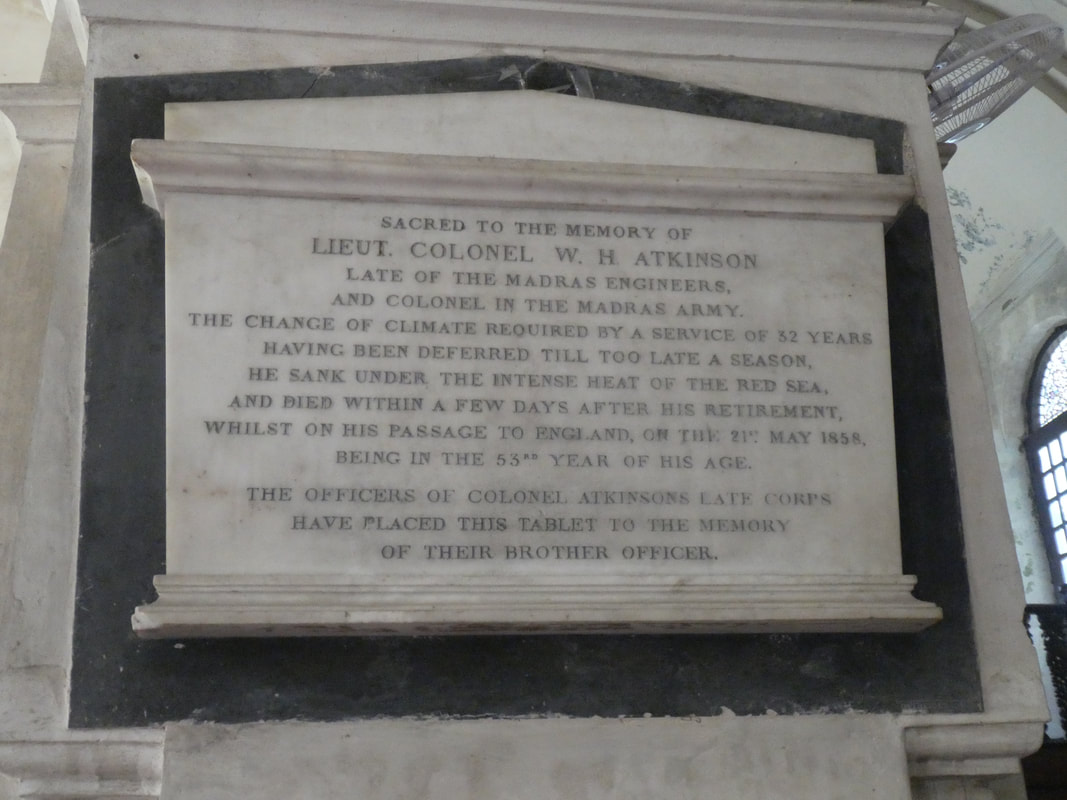 Britain always remained 'home' and the vast majority of the British in India returned there - or intended to. There's a clear trace of the custom among the British elite in Madras of taking Indian wives. Pran Nevile, in his book on Indian women during the Raj, quotes the view of Dr John Shortt - East India Company surgeon in Madras in the mid-nineteenth century - of the Telugu women he came across. "I have seen several of these girls in my professional capacity, while they lived as mistresses with European officers, and have been greatly surprised at their ladylike manner, modesty and gentleness. Such beautiful small hands and little taper fingers, the ankles neatly turned, as to meet the admiration of the greatest connoisseur ... This is not to be wondered at that these girls are preferred to their own country women". The historian Sriram V has chronicled just how common liaisons once were in Madras between elite British men and Indian bibis. And that sculpture of what appears to be an Indian woman, book in hand at the top of this post? Could this be a bibi mourning her partner? It features in just about the least accessible of the memorials in St Mary's, high up on a wall where the inscription must always have been difficult to make out and is now impossible to decipher. 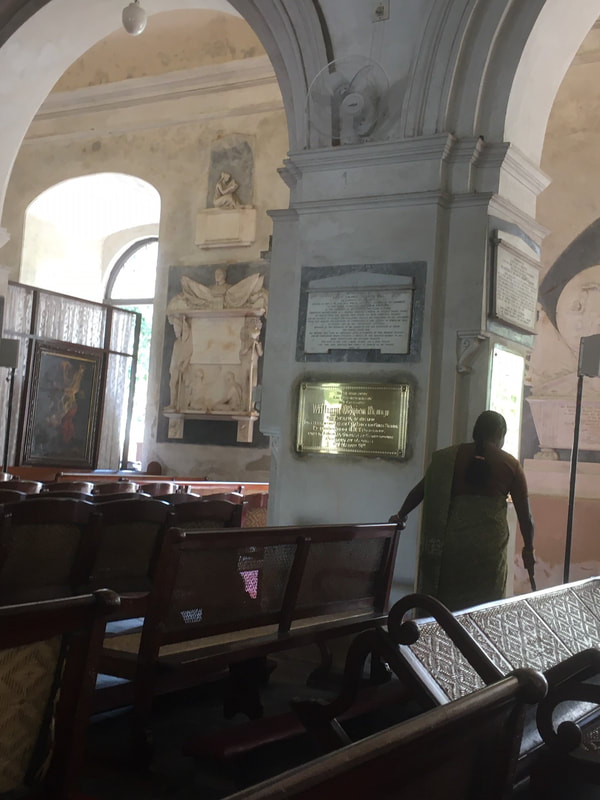 Even zooming in with a good camera, and then sharpening the contrast settings, only small parts of the inscription are legible. [SEE THE UPDATE AT THE END OF THIS POST] 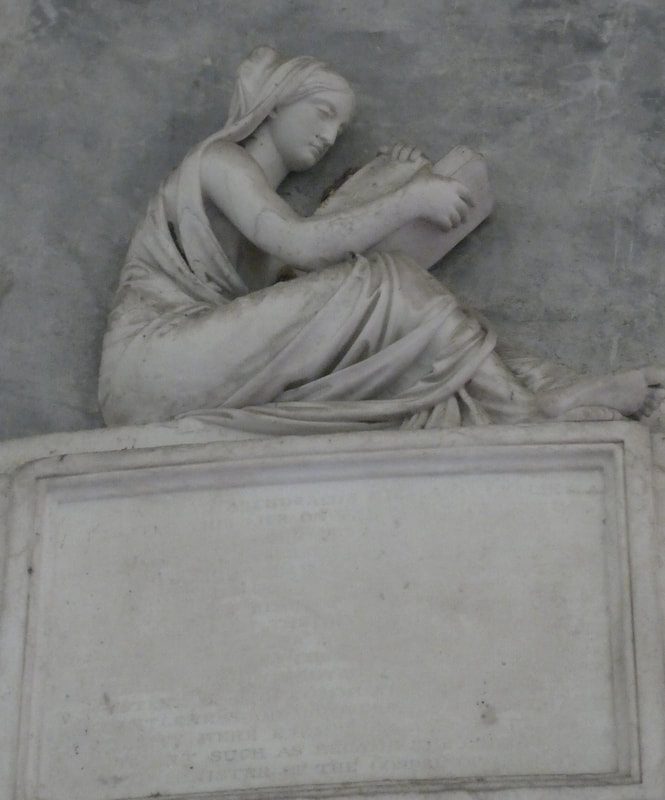 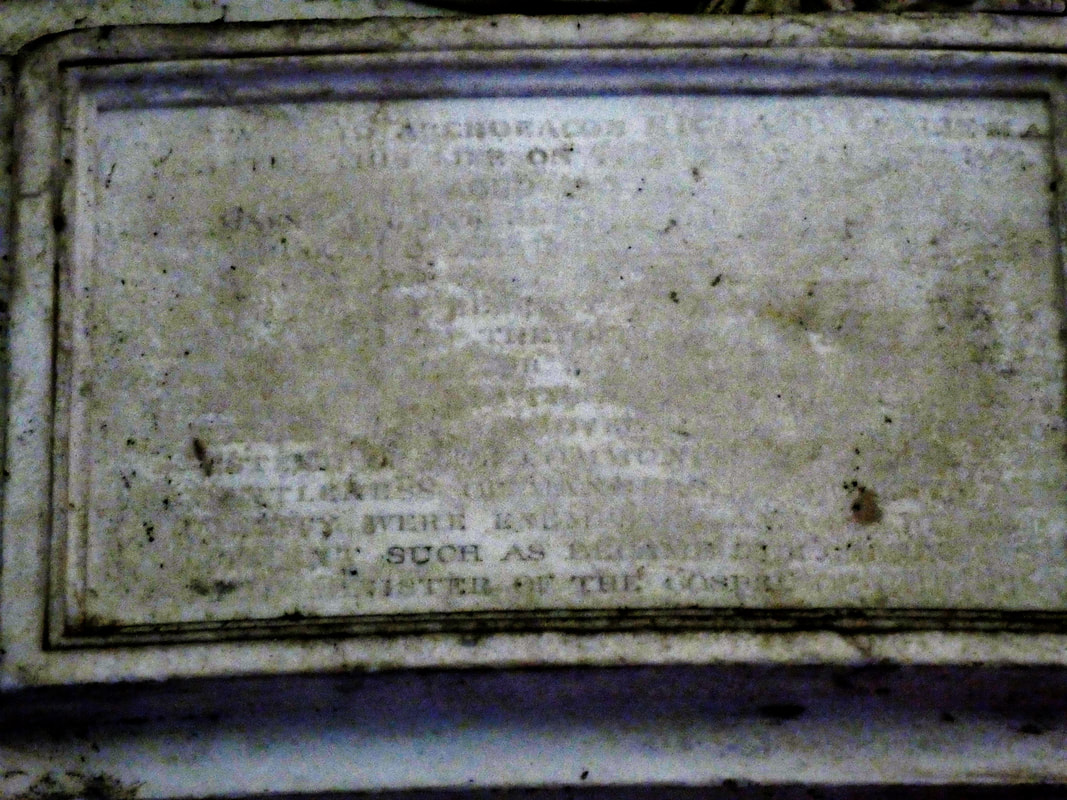 One word that stands out is 'Archdeacon' - and given that those in holy orders would surely have been reluctant to advertise their transgressive relationships, the woman who adorns the memorial may not be a representation of a local wife. Who knows! But the church bears other traces of the bibi. At the back, under glass in a display case, are a few of the parish archives, These include a baptism register open - apparently more-or-less at random - to a period in 1825. Take a look ... 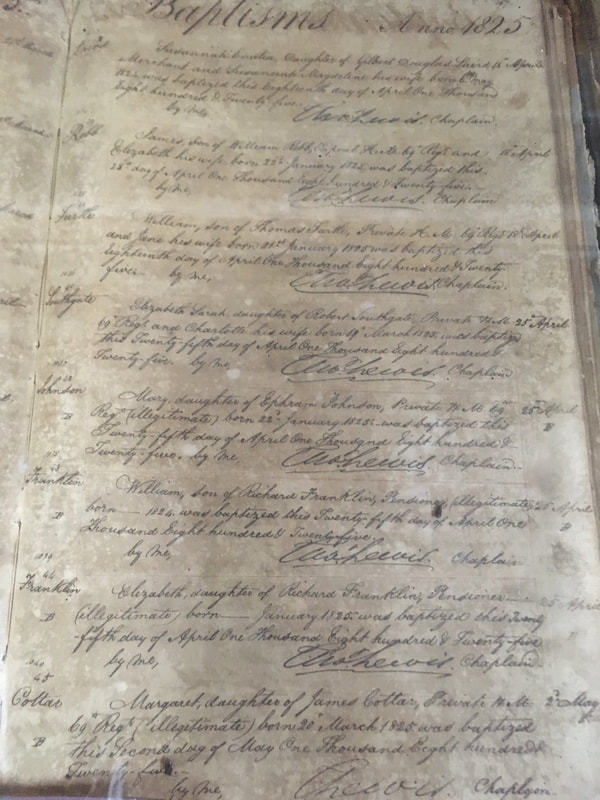 Many, perhaps most, of the baptisms were of illegitimate children, and their birth out of wedlock was clearly stated in the register. Where mother and father were married, the mother's first name was given. Where the birth was outside marriage, no mother's name was recorded. It is overwhelmingly likely that the mothers of these illegitimate children were Indian. Yet the father's name is given and presumably it was he who arranged the baptism - the mother and baby had clearly not been abandoned. So it seems the parents were in an enduring relationship - one which did not have the sanction of the church, but which the chaplain was willing to countenance by baptising the offspring of such unions. These babies were brought into St Mary's and baptised in a centuries-old font which had served that purpose for the three daughters of Job Charnock, the 'founder' of Calcutta (whose wife was a Hindu - Charnock is said to have rescued her from immolation on her first husband's funeral pyre). Were the babies' mothers present at the baptism? Did they nominally convert to Christianity? Were they provided for when their partners eventually sailed away? There's much more to be said about Madras's bibis. 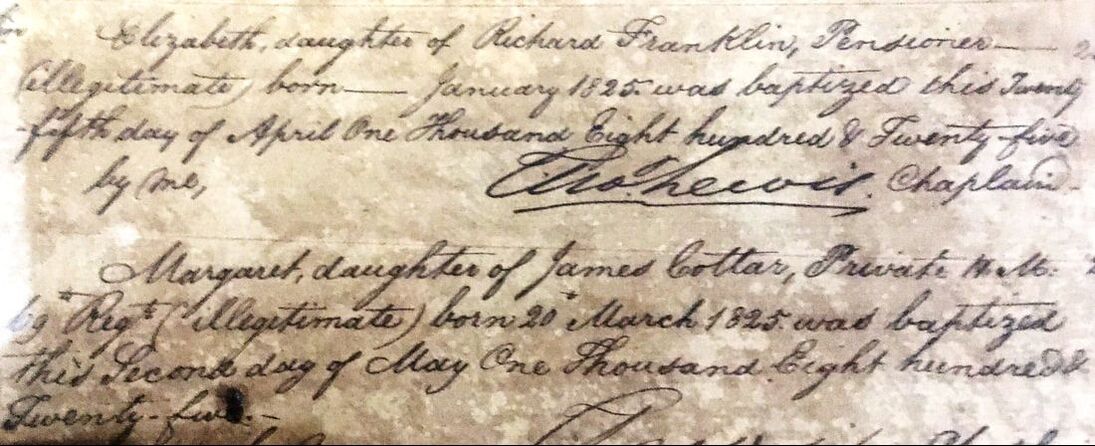 UPDATE: A bit of sleuthing has revealed some details of the memorial featuring the seated woman reading a book. It is the memorial of Archdeacon Richard Leslie, who died on 28 June 1804. He was the garrison chaplain at Madras for twenty-one years.
The memorial is the work of the London sculptor Flaxman and cost £100. One account of the memorial states: 'Piety is exhibited by a female figure with the Holy Bible in her hand which she is attentively studying ...'. Flaxman's work, it seems, often featured such figures. So ... not a bibi! Though I remain convinced that the mothers of the illegitimate children baptised at St Mary's almost certainly were. |
Andrew Whitehead's blogWelcome - read - comment - throw stones - pick up threads - and tell me how to do this better! Archives
April 2024
Categories
All
|
 RSS Feed