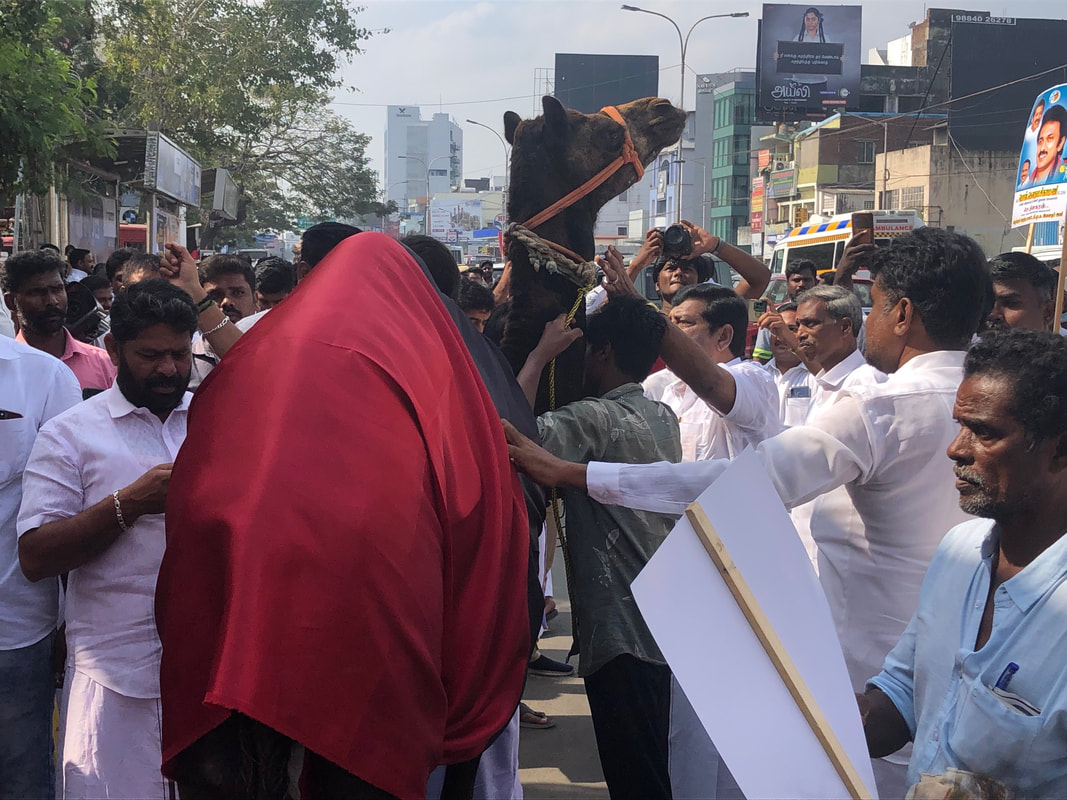
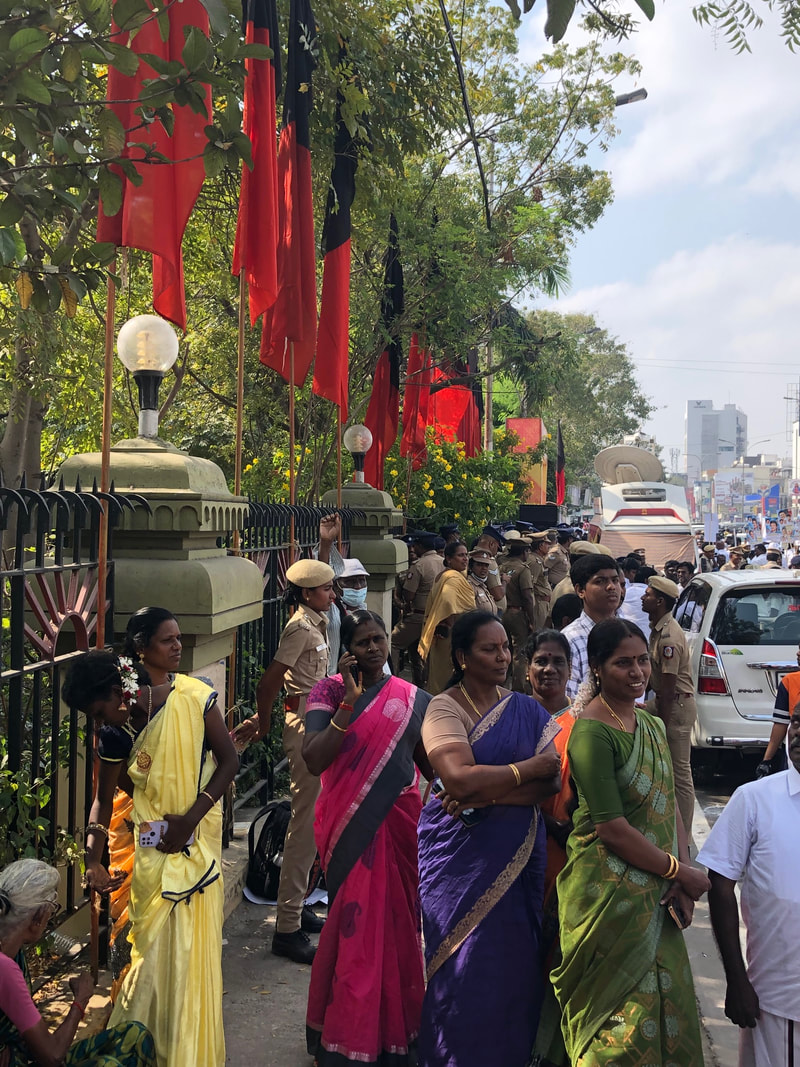
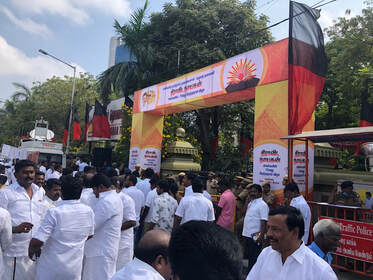
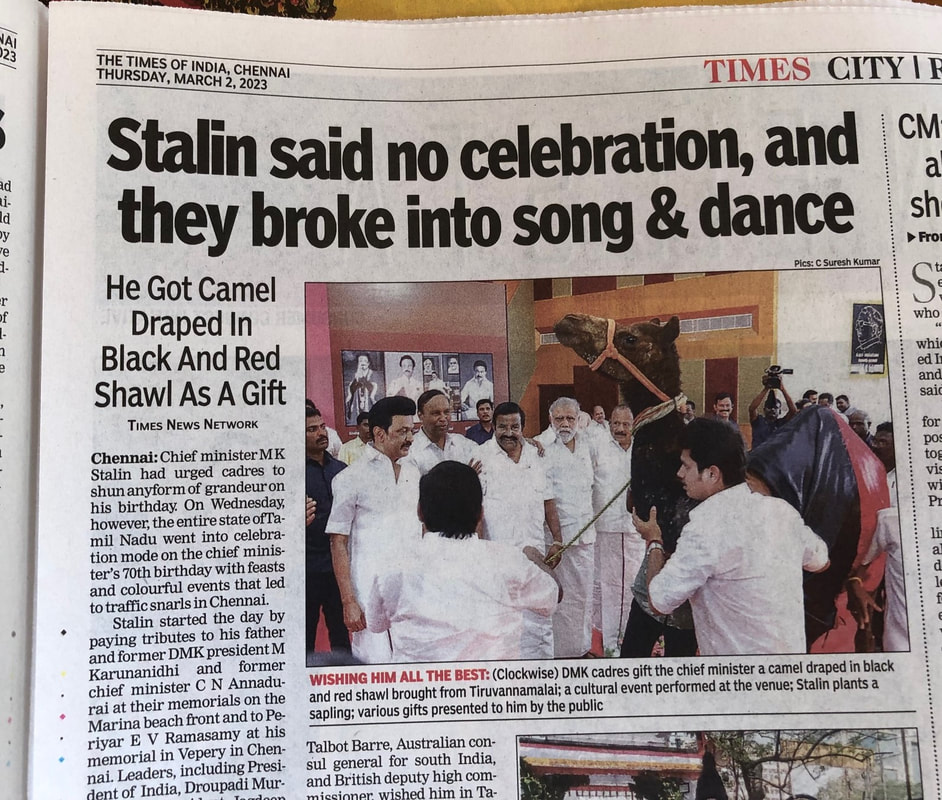
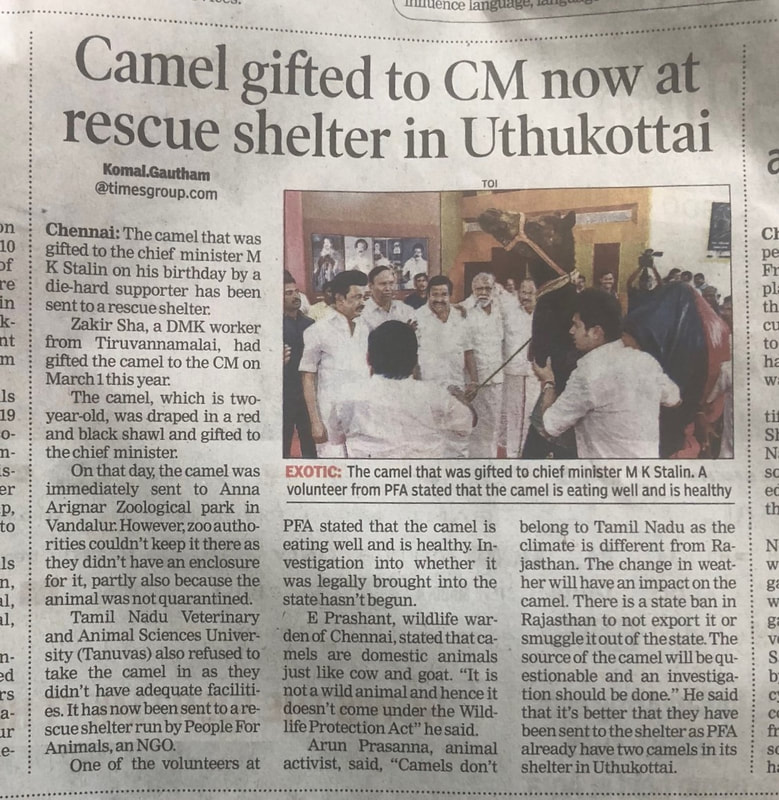
 Parts of Chennai feel like one big birthday bash today. It's Stalin's seventieth. And among the well-wishers, a camel - not something you normally see here. It's bedecked in the red-and-black colours of the local governing party. Party loyalists were out in strength, also displaying the DMK colours - 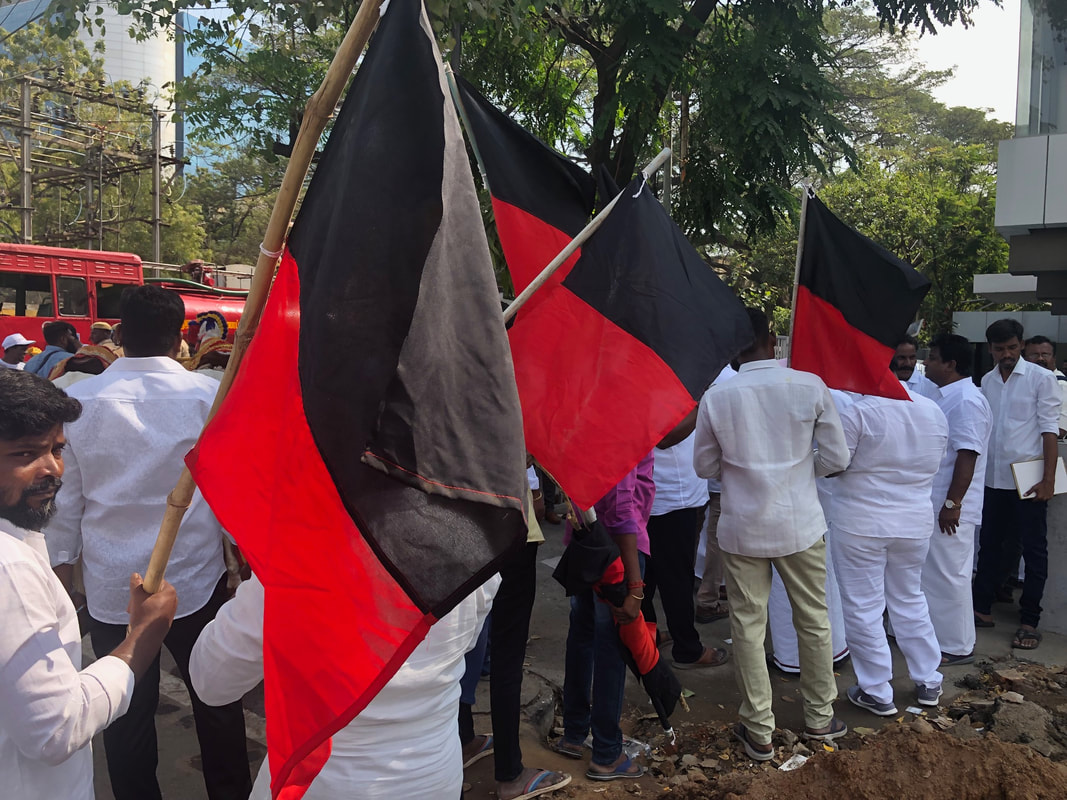 And of course the Stalin whose birthday they are celebrating is M.K. Stalin, the chief minister of the south Indian state of Tamil Nadu. This is him - 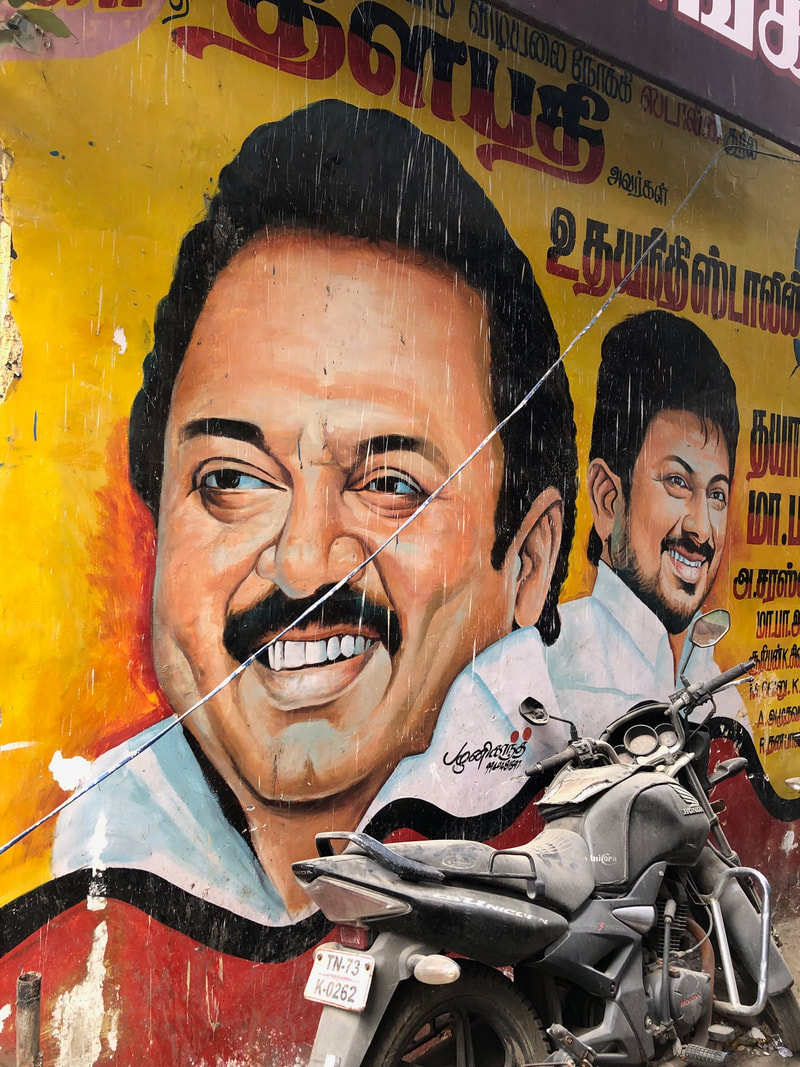 The papers are full of it - mainly paid adverts and promotions, but also extending into the editorial content. The local edition of the Times of India has an article by a minister in Stalin's state government saying how marvellous his boss is and of course wishing him a happy birthday: 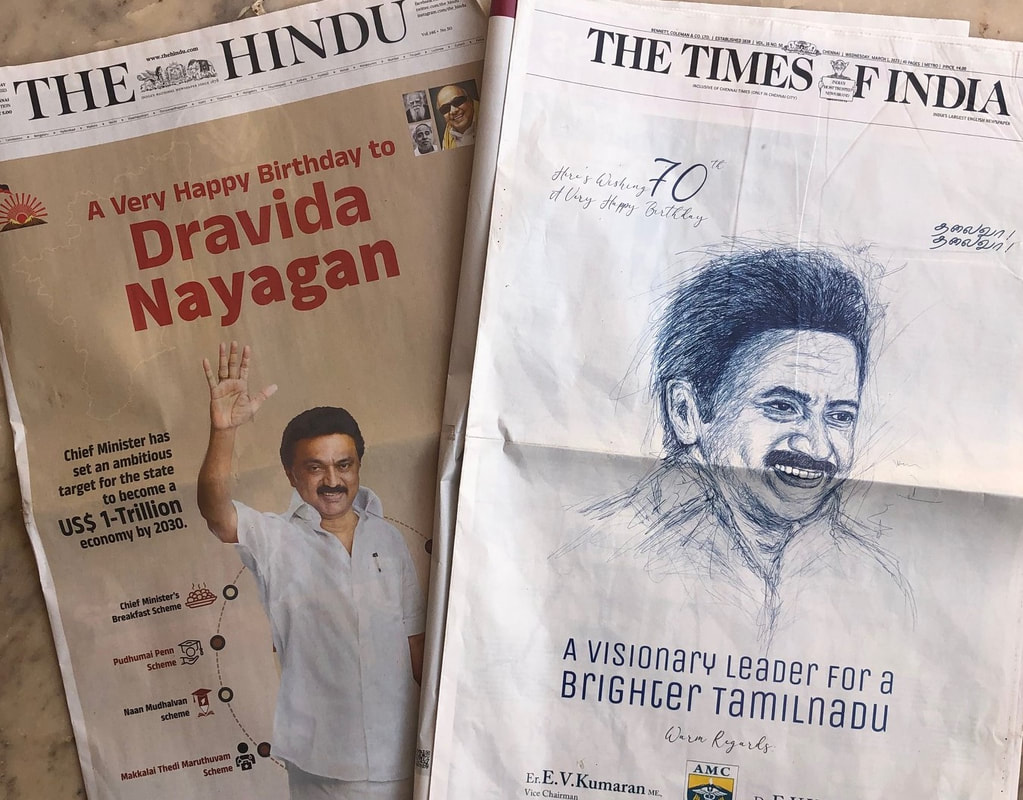 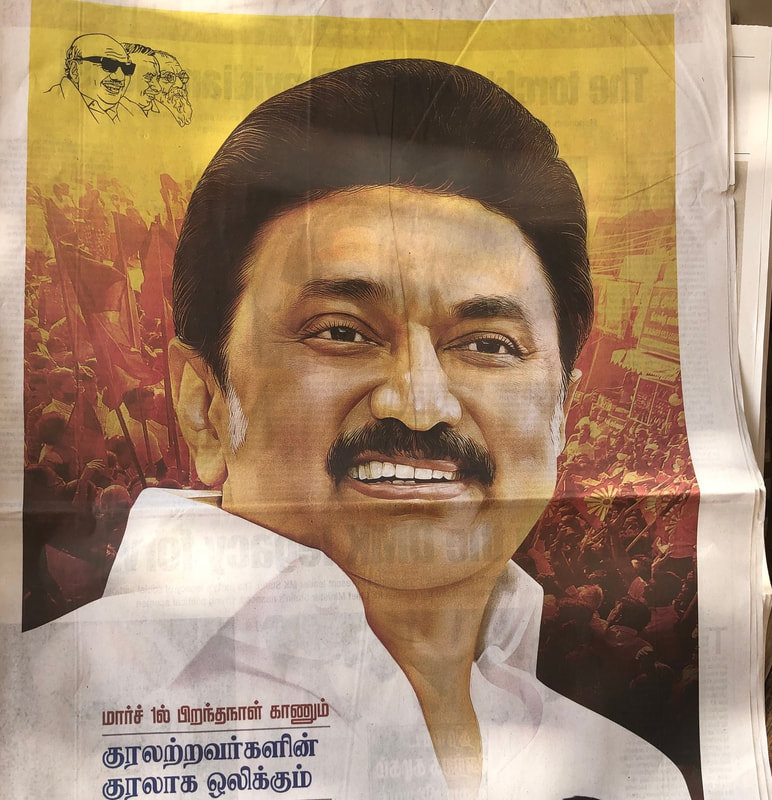 Though whoever came up with the tag line '70 Years of Stalinness' perhaps shouldn't have their contract renewed: 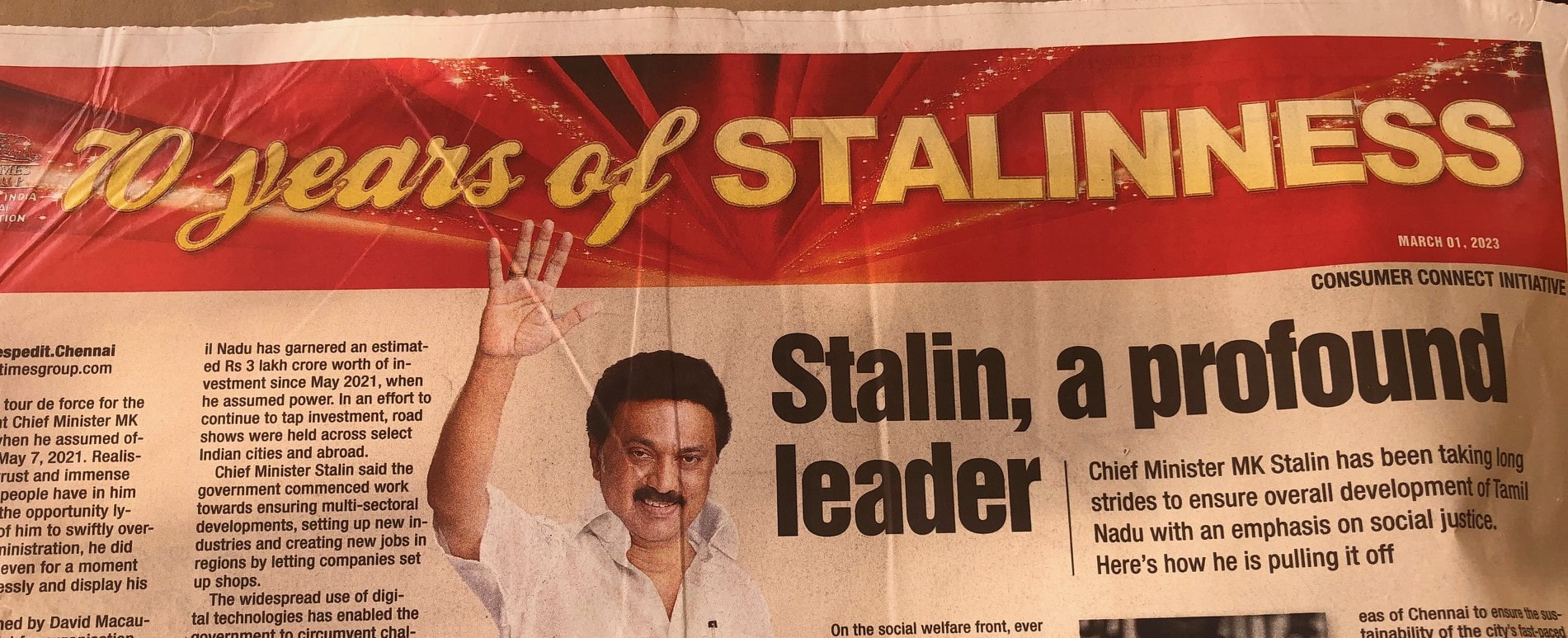 And I was surprised to see a paid advert from the Church of South India in which the local bishop extols the virtues of the chief minister. 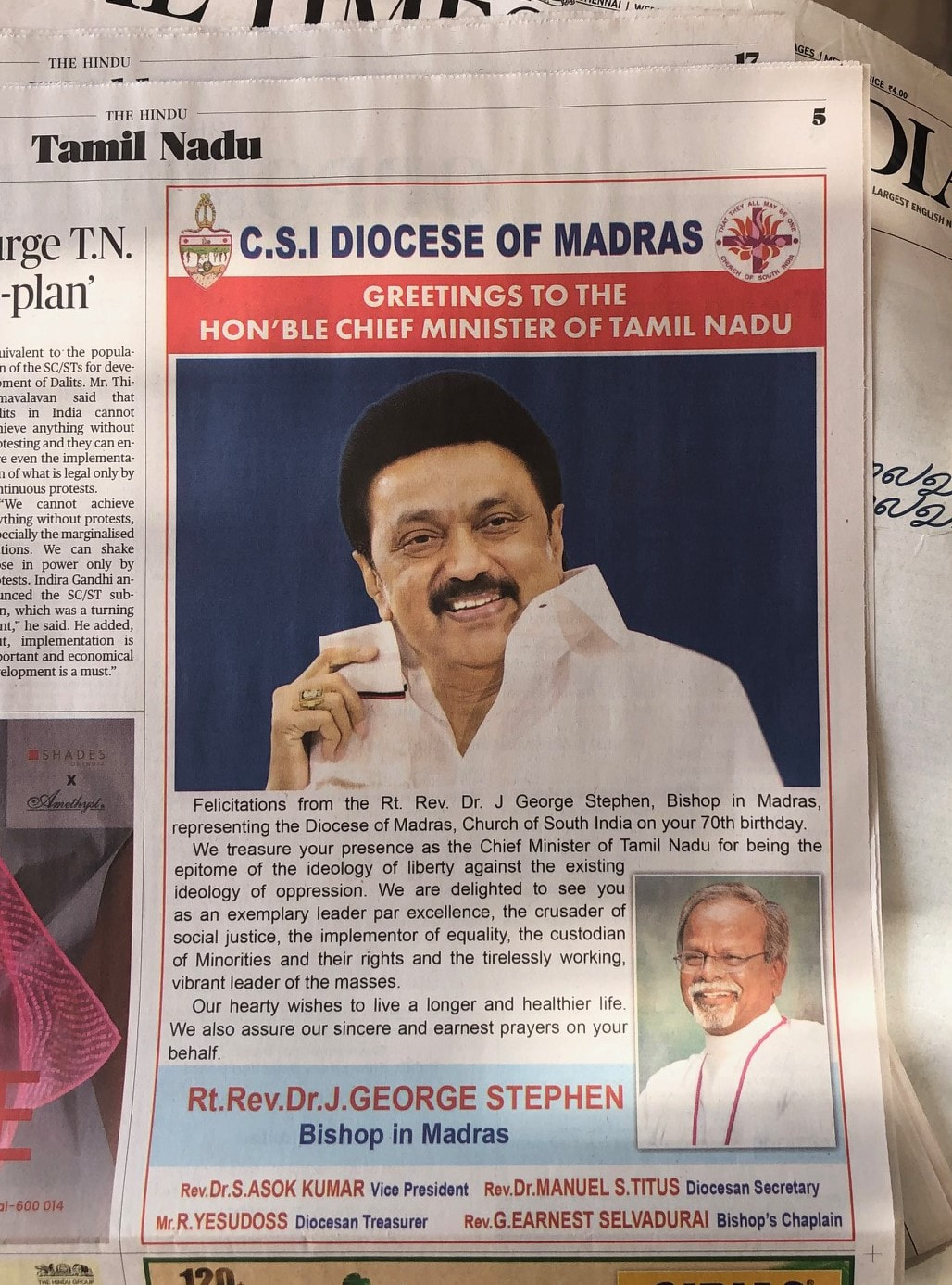 I went along to the DMK party headquarters this morning to get a sense of the celebrations. The crowd was good humoured - a day out, something a little special ... 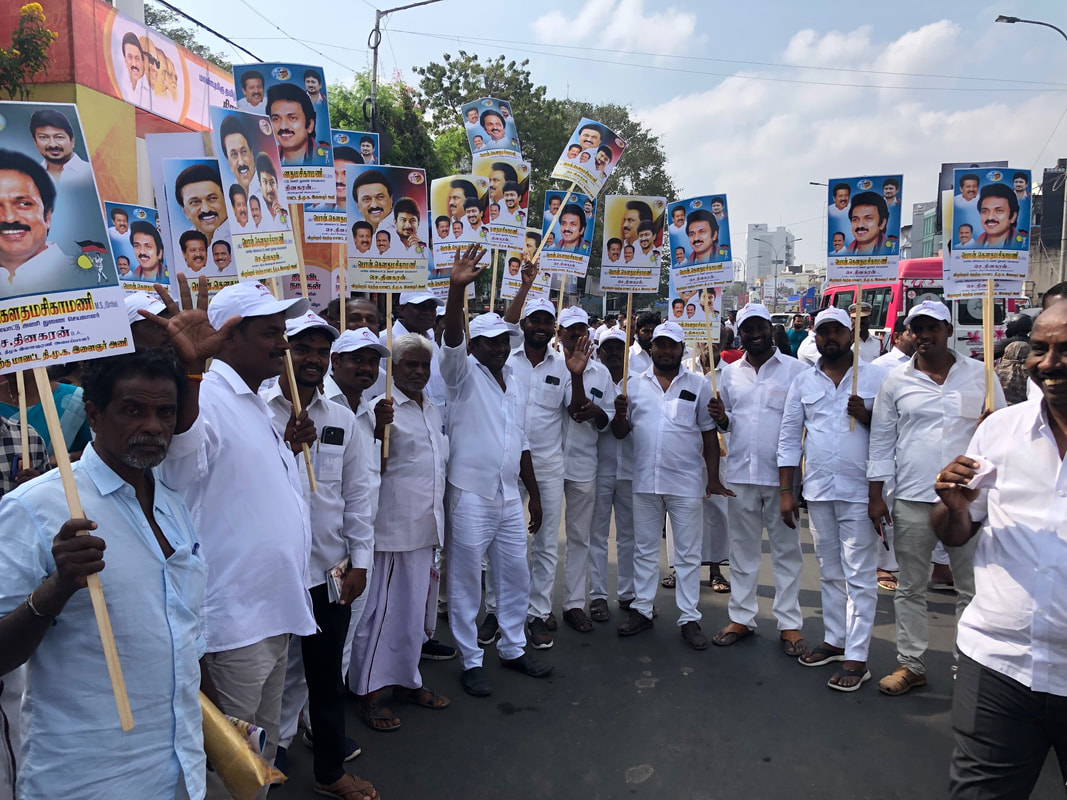
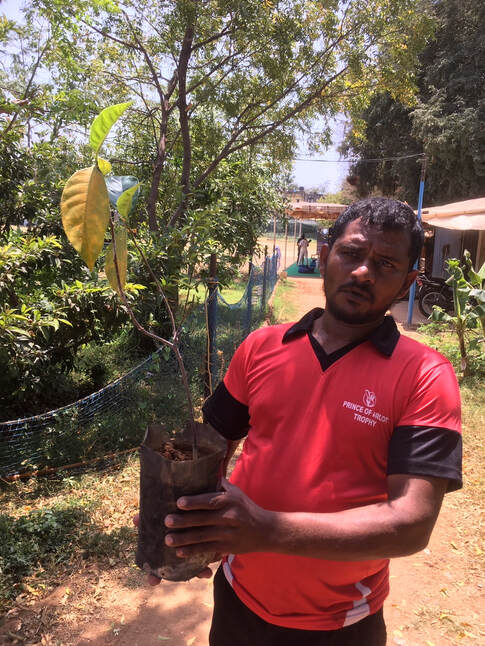
Stalin's been chief minister here for a little under two years. His father, M. Karunanidhi - one of several influential Tamil politicians of an earlier era who had their roots in the regional film industry - had four spells as chief minister totalling nineteen years. And the name? Well, M.K. Stalin was born four days before the Soviet dictator Josef Stalin died. Stalin was well regarded by many in India - and still is by some hard left factions. Karunanidhi addressed a memorial meeting for Stalin before a name had been bestowed on his son, and from that event came the name. (In this part of India, the father's surname becomes part of the son's middle name - so the surname is usually given rather than inherited.) At the party HQ this morning, there were large numbers of women activists - outnumbered by the men but taking an active party in the day's events: 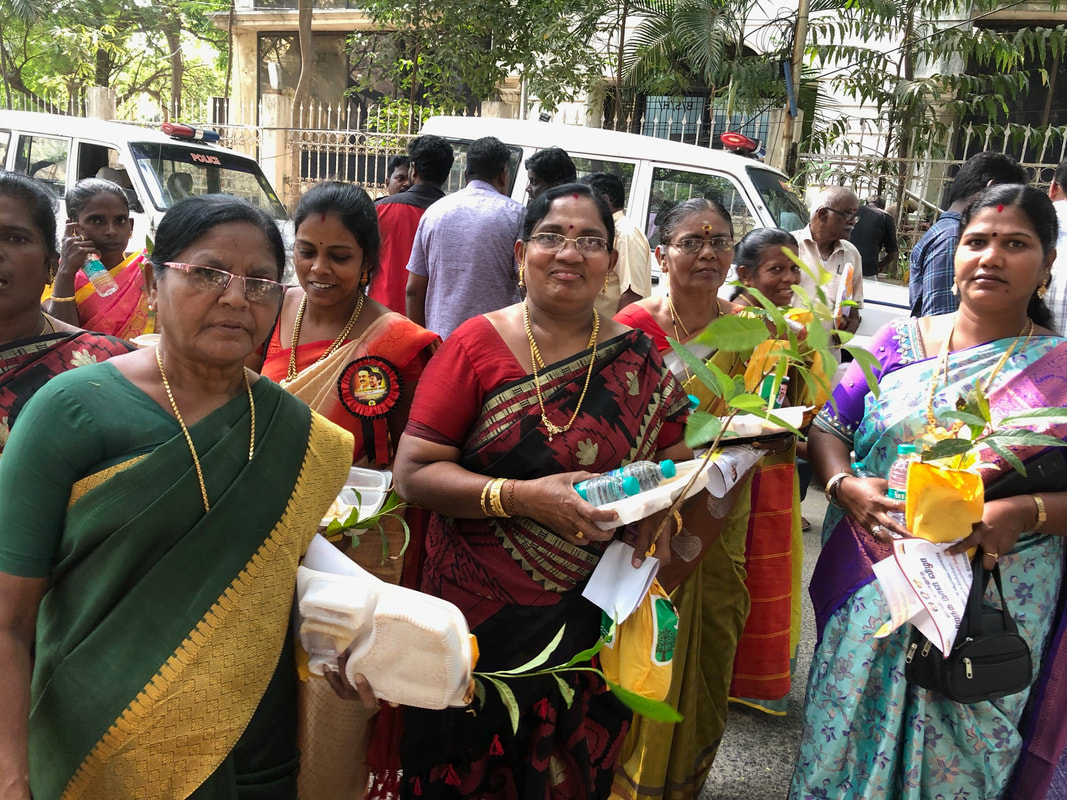 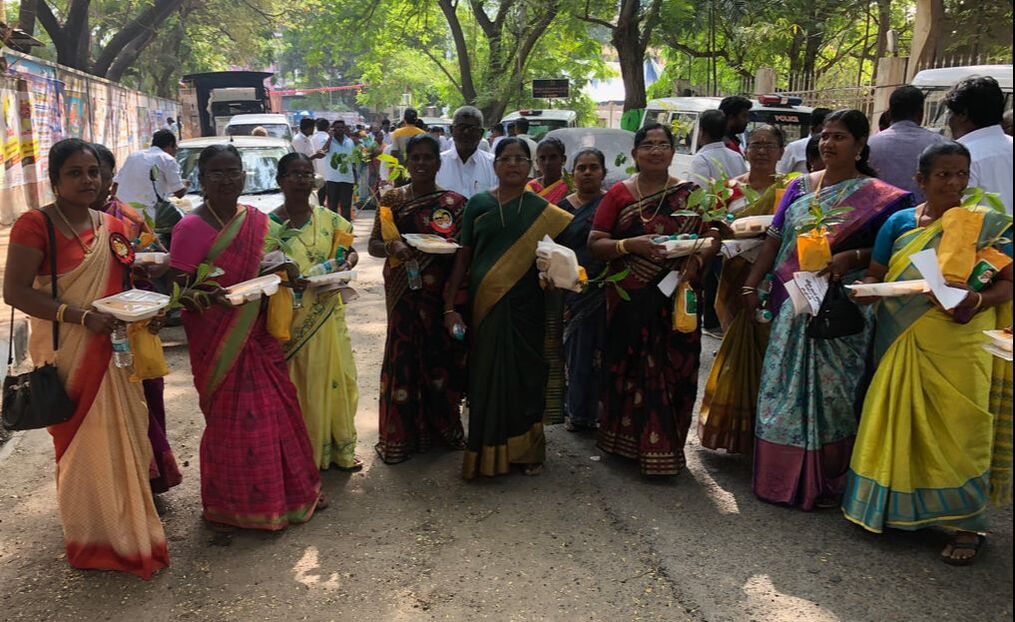 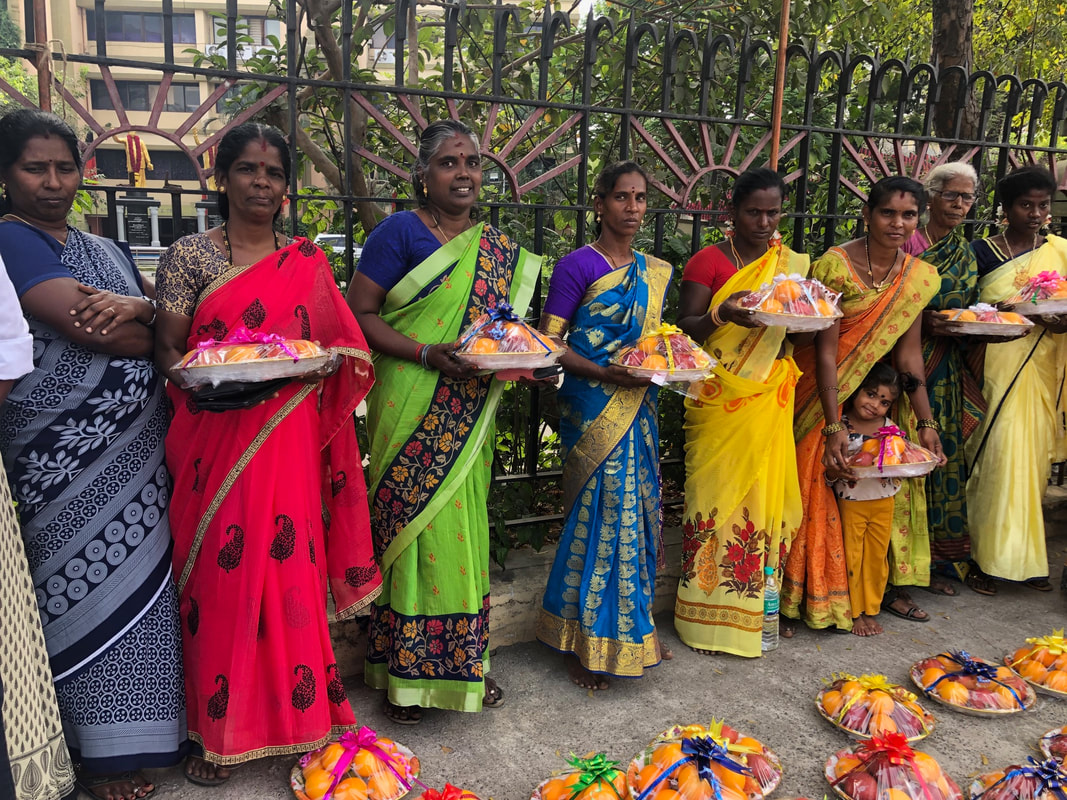 All those who came along got a free meal in an airline-style plastic tray and - a nice touch this - a mango sapling 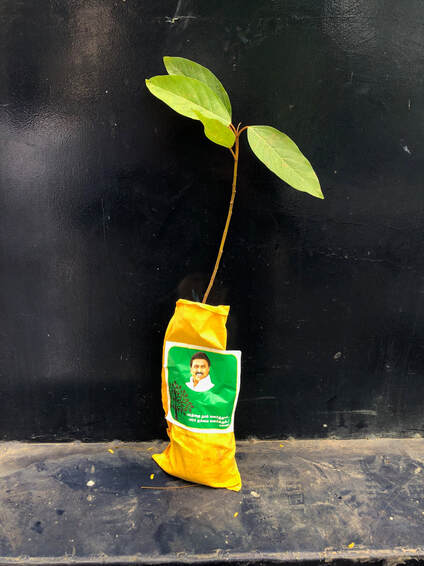 DMK badges, flags and memorabilia were being snapped up (and yes, I even succumbed to temptation myself). By the way, the three men featured in the framed images on the right below with the yellow background are Stalin's father, Stalin and Stalin's son, an emphatic demonstration of dynastic politics 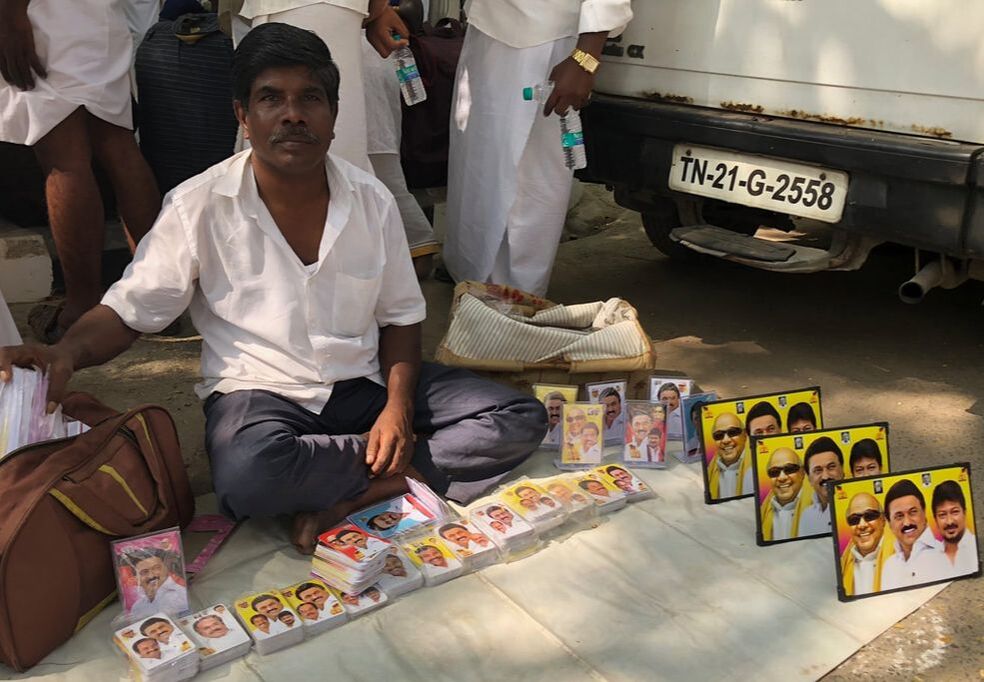 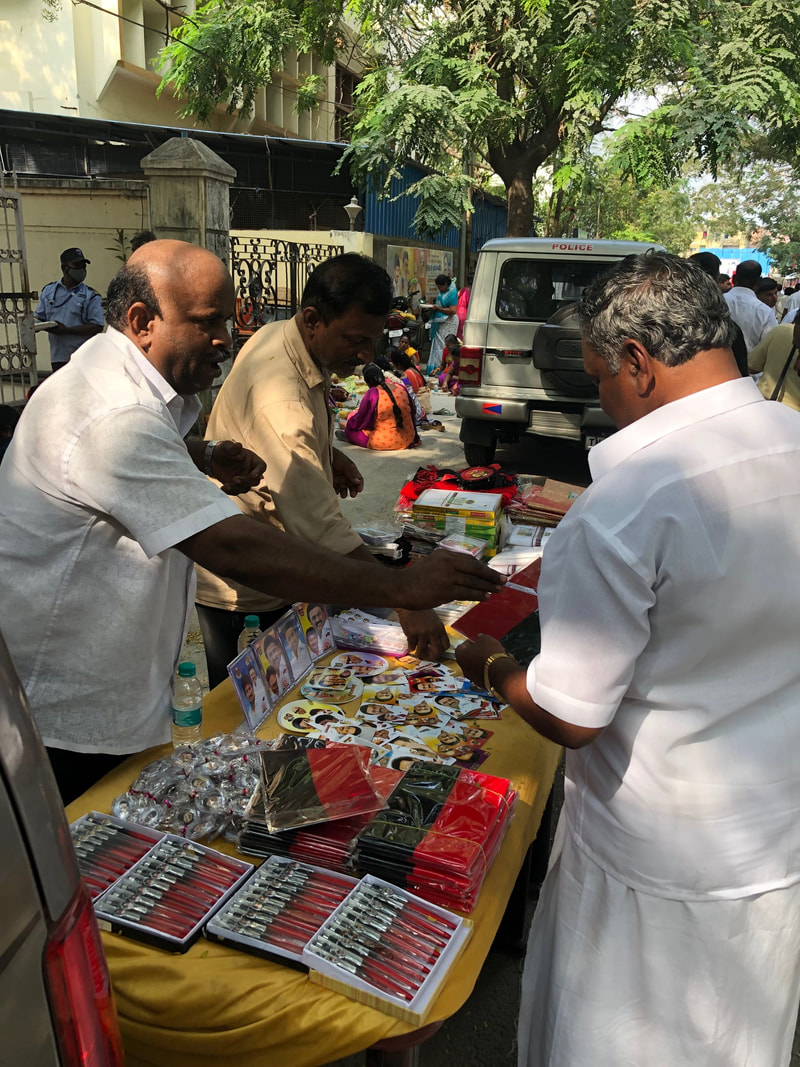 And then there was the camel - an essential at every Chennai birthday party (not!) 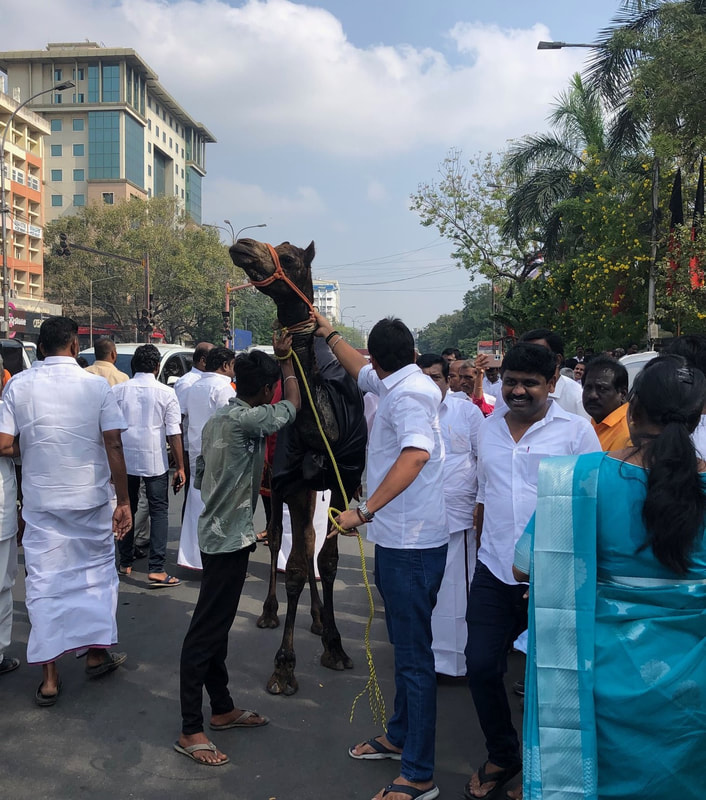 The poor animal was clearly not at all comfortable being led through the crowd, with traffic whizzing past and loud music blaring out Why on earth would anyone want to bring a camel along to an event such as this? Well, I don't know but this is what I reckon: how does a party activist make a gift or a token of loyalty stand out when there are so many people with presents or offering expressions of undying support. And if the benefactor's aim was to get some favourable media attention for himself, it worked! But this is more than an over-the-top birthday party. Stalin is regarded as a competent chief minister. In Tamil Nadu he heads a local coalition that includes India's main opposition party, Congress, the two main Communist parties and others. He may have national ambitions. And certainly, the BJP looks just about certain to win next year's general election unless all the main opposition parties, and regional parties inimical to the BJP, can form an effective alliance. Due in Chennai for a public birthday rally are the Congress national president, Mallikarjun Kharge, and other key out-of-state political leaders including Akhilesh Yadav, of the Uttar Pradesh-based Samajwadi Party, and Farooq Abdullah of Kashmir's National Conference. Is there a prospect of a powerful front emerging to challenge the BJP? Frankly, it's odds against - but it is an inriguing possibility. 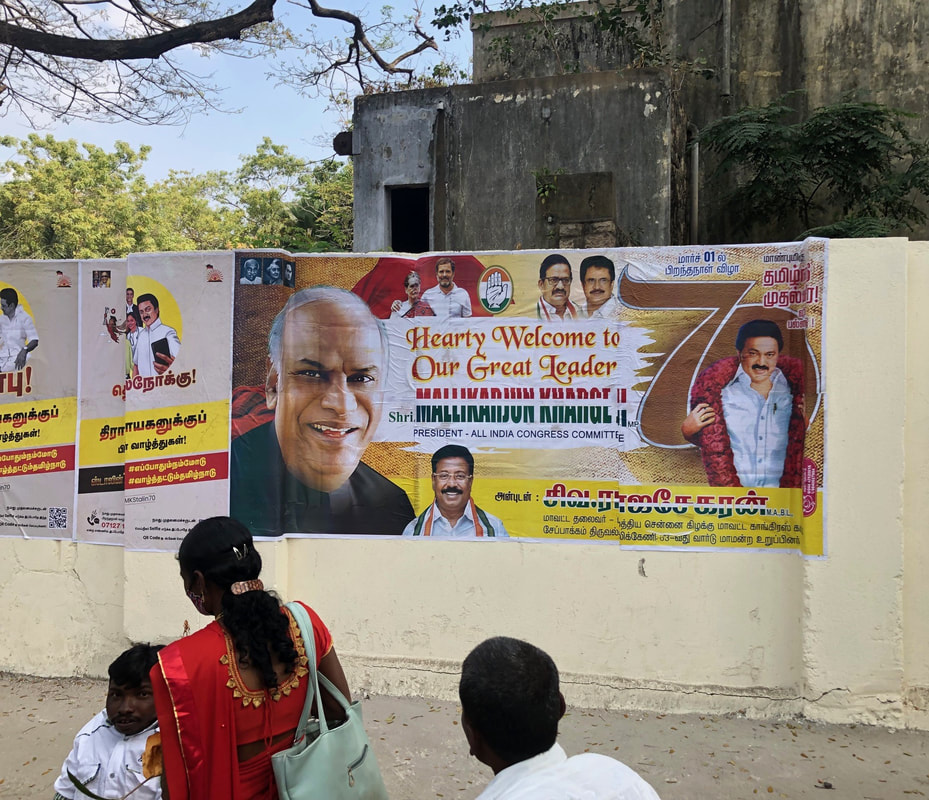
|
 |  |
 |  |
 |  |
 | 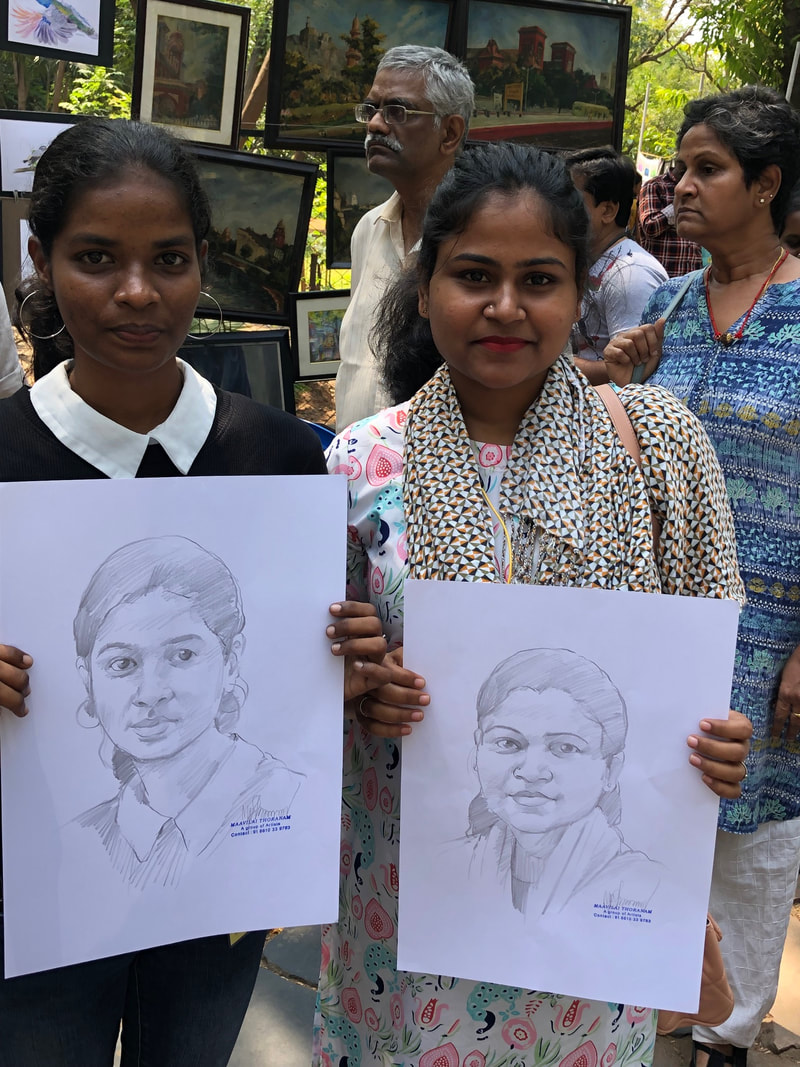 |
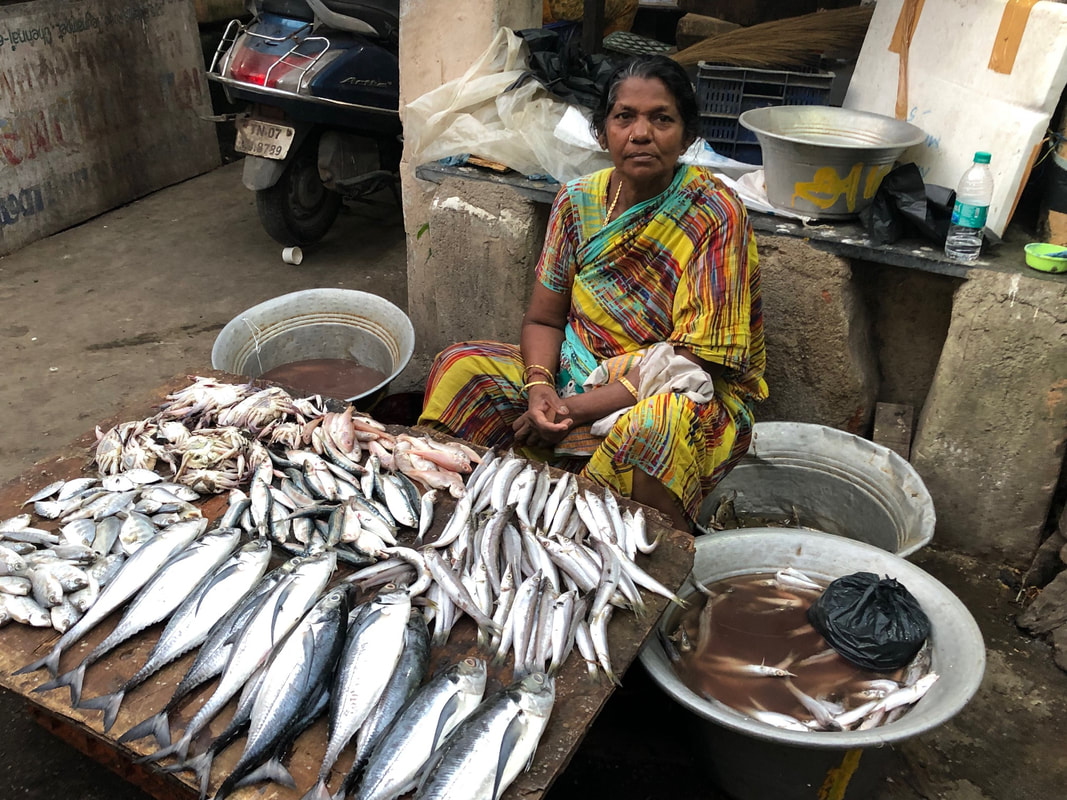
This tiny fish market is in a dingy courtyard behind a temple off Chennai's Eldams Road. I came across it by chance late in the afternoon, and there were two well stocked women-run stalls and two men who descaled, gutted and chopped up the fish that customers bought.
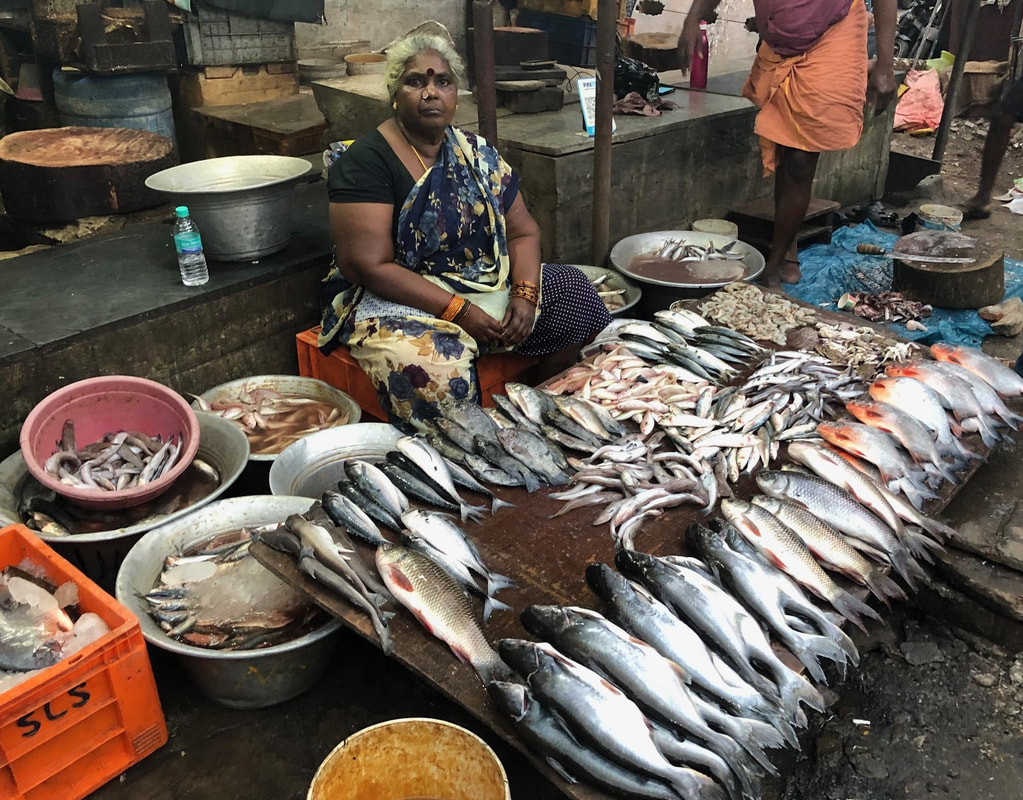
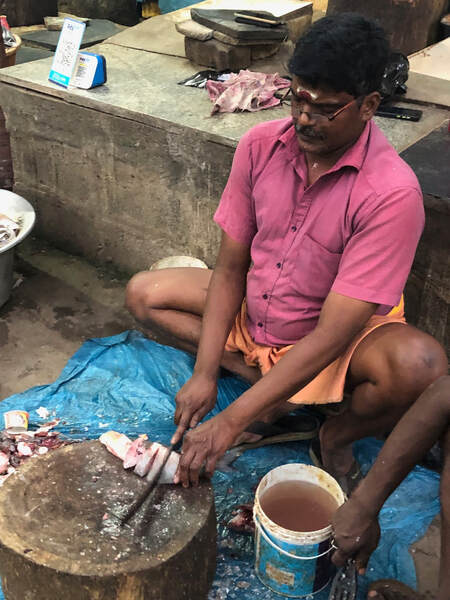
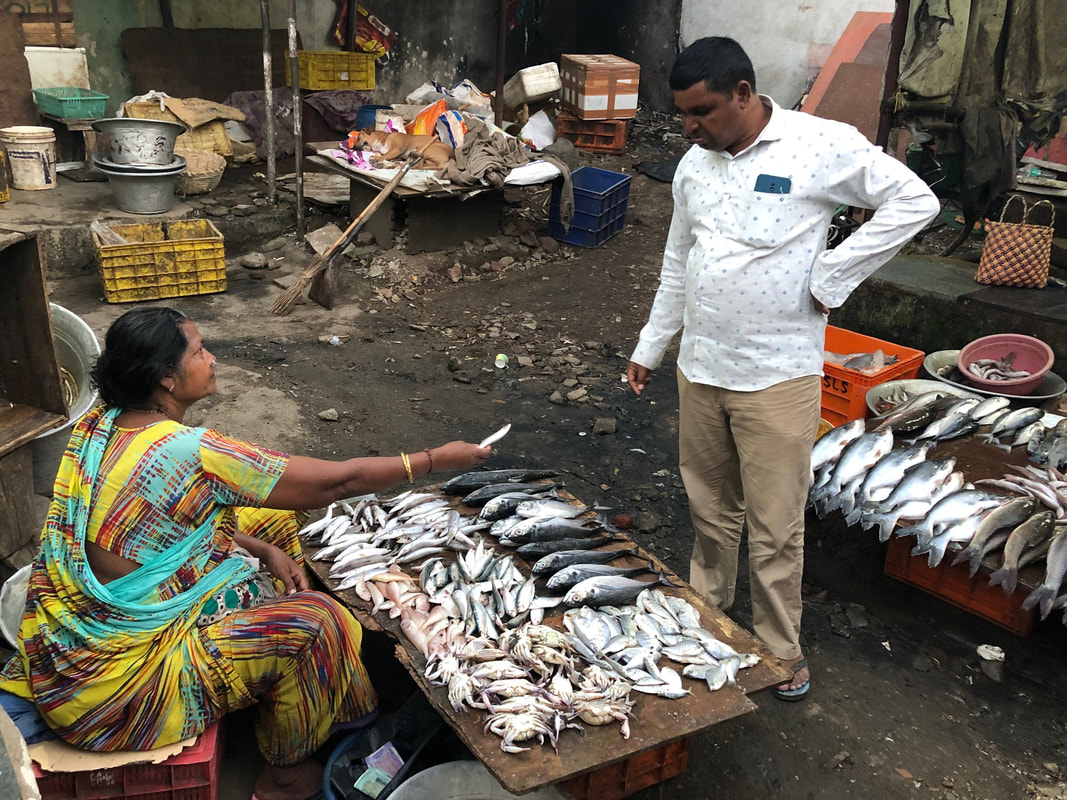
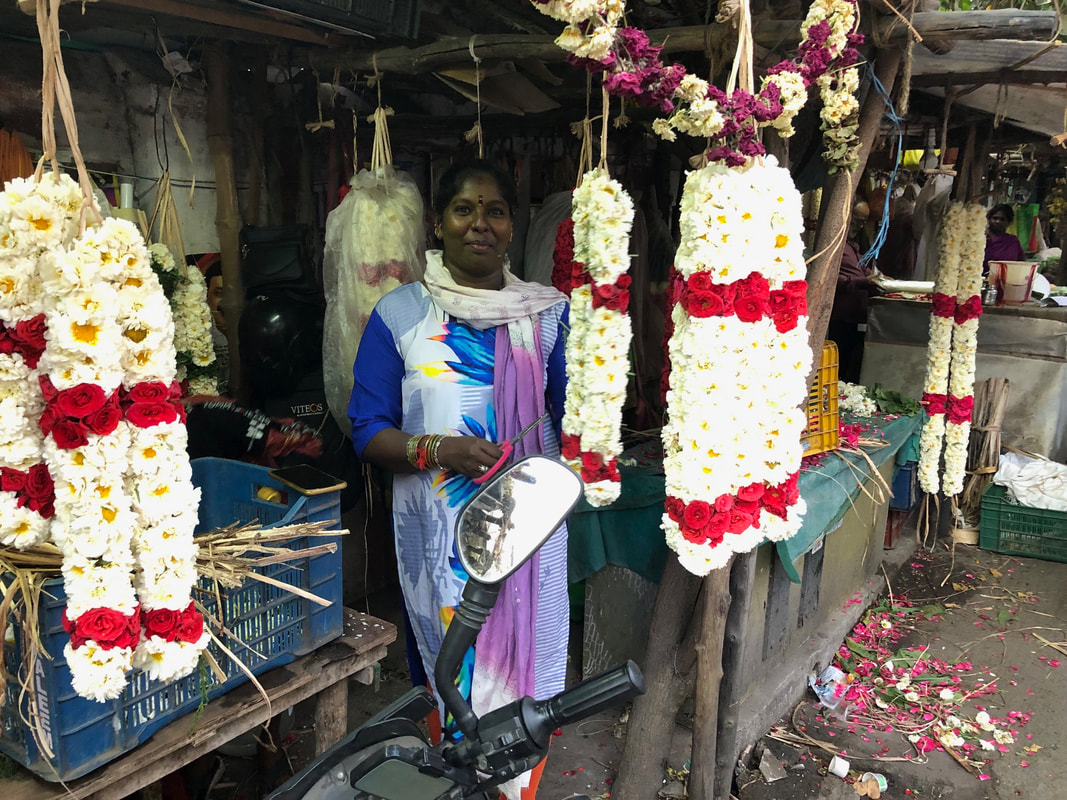
The stalls always add life and colour to the streets around the temple, and the stall holders are usually very happy to be photographed - on this visit no one said 'no' (and I always ask before clicking).
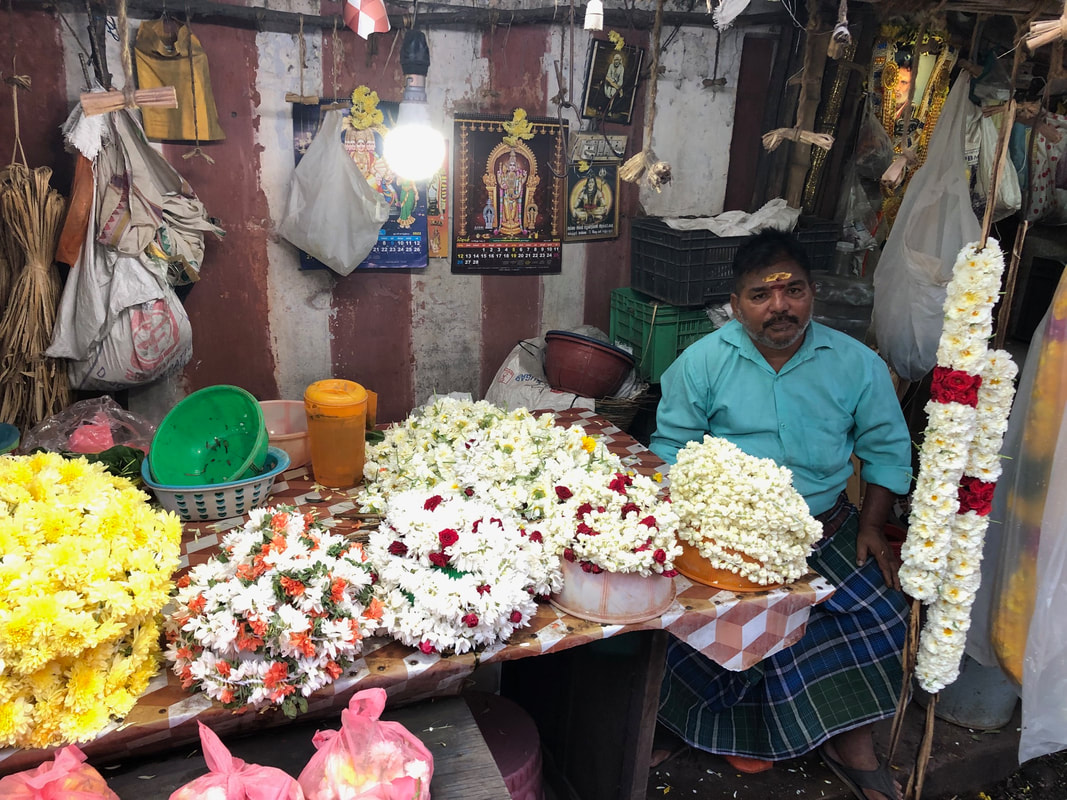
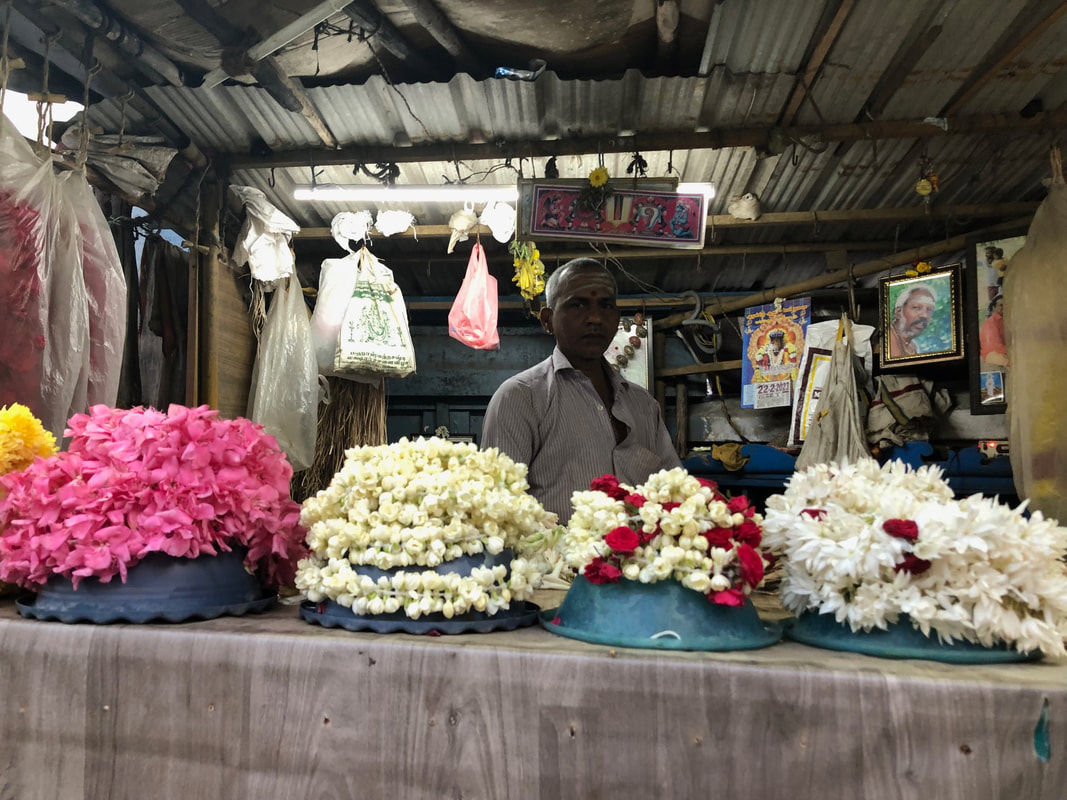
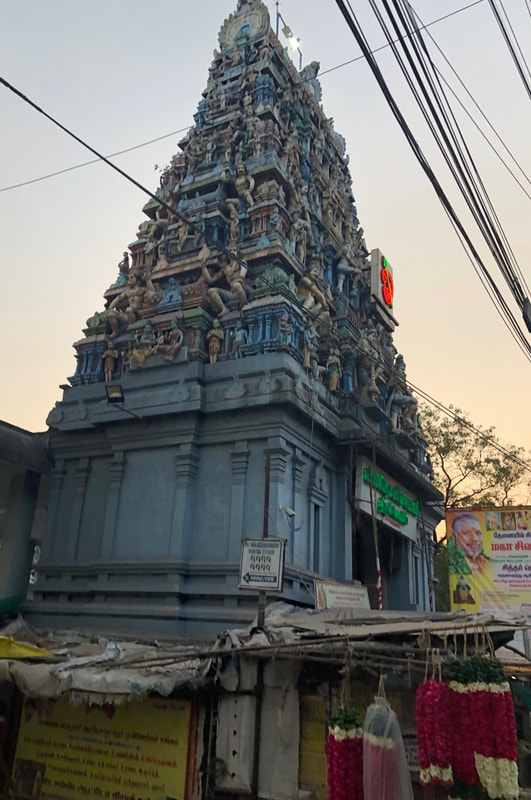 | 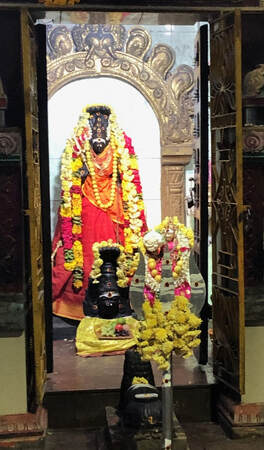 |
 |  |
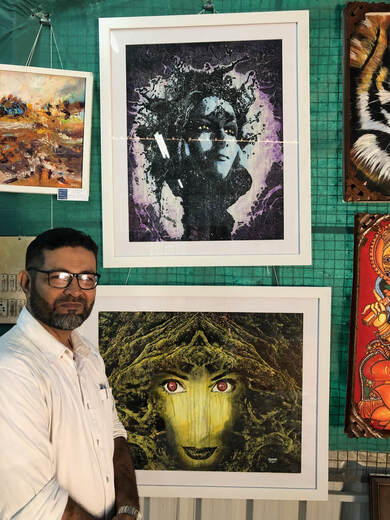
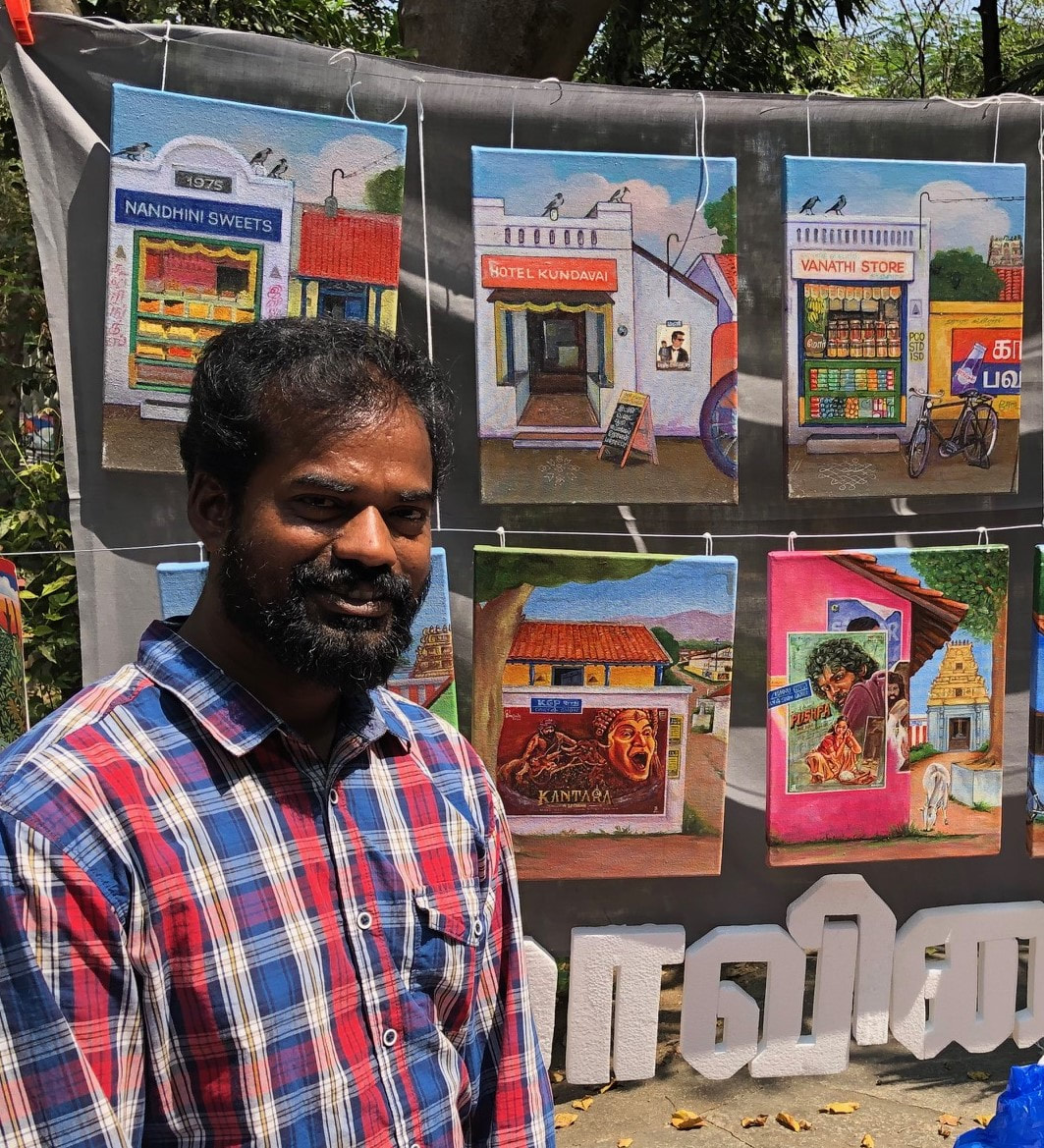
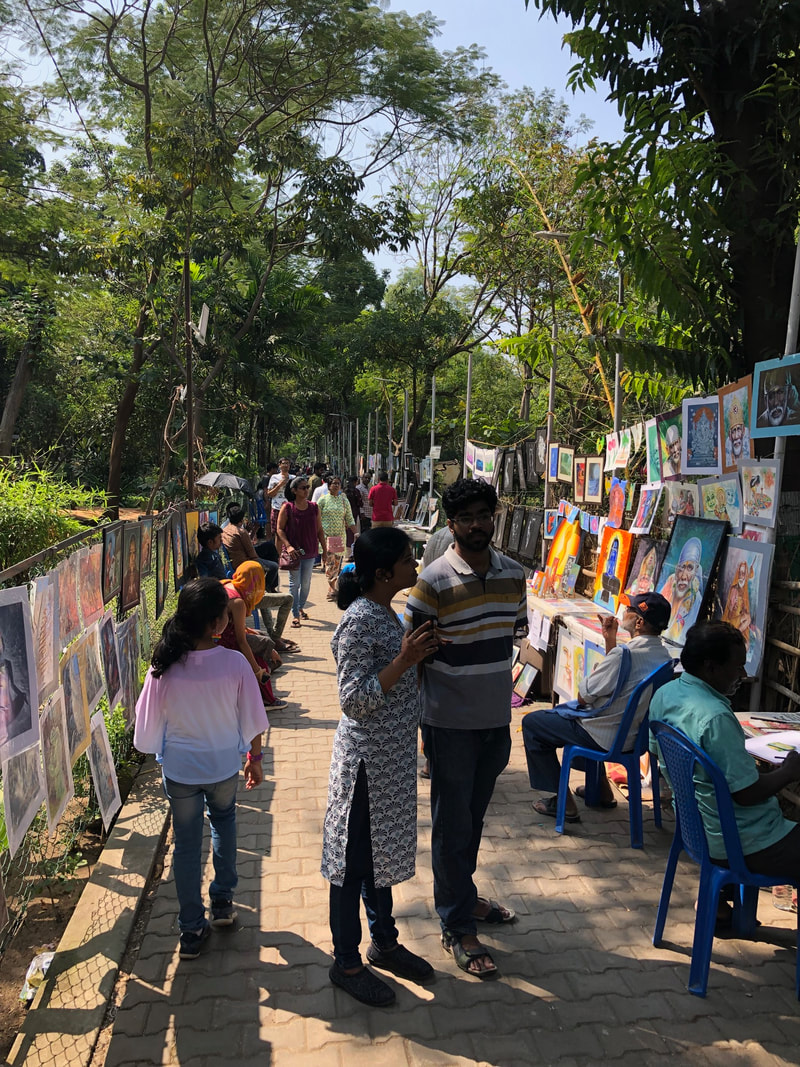
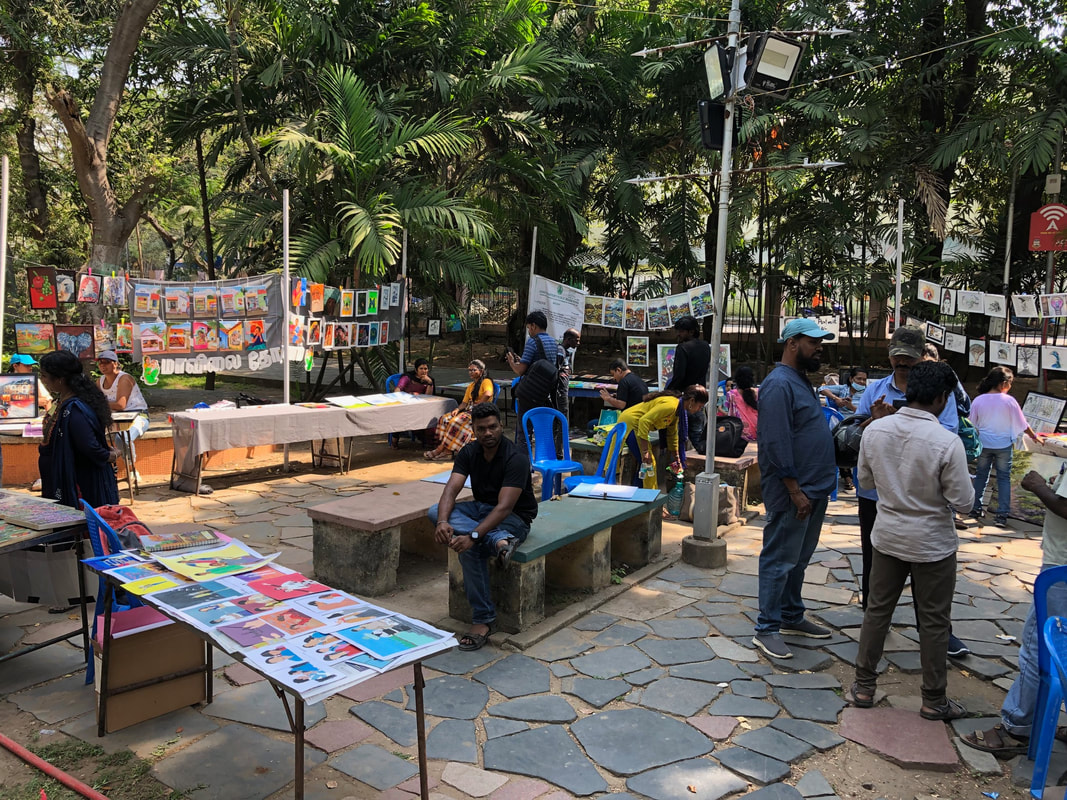
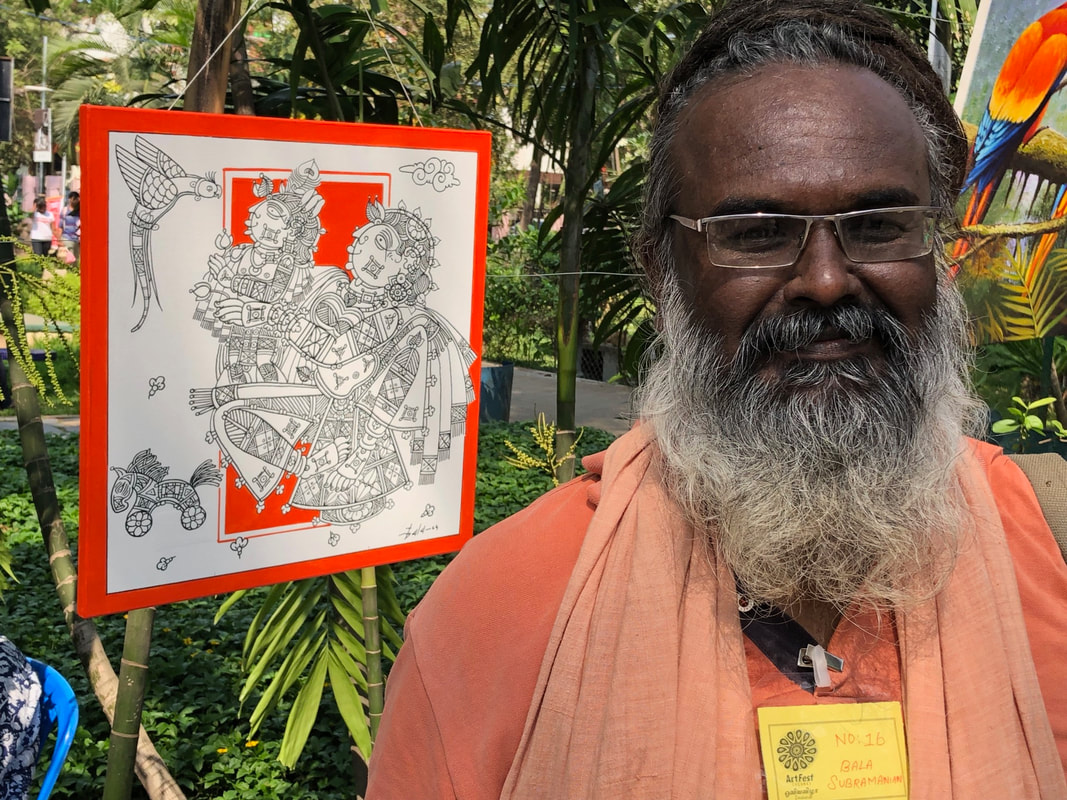
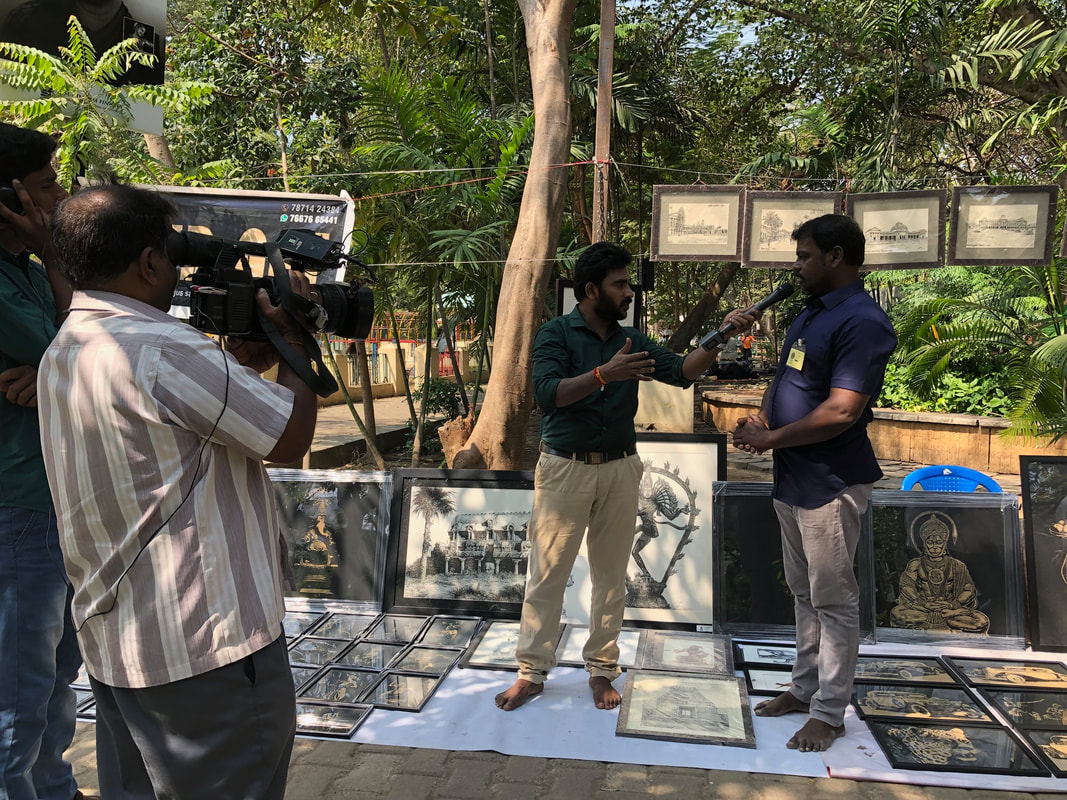
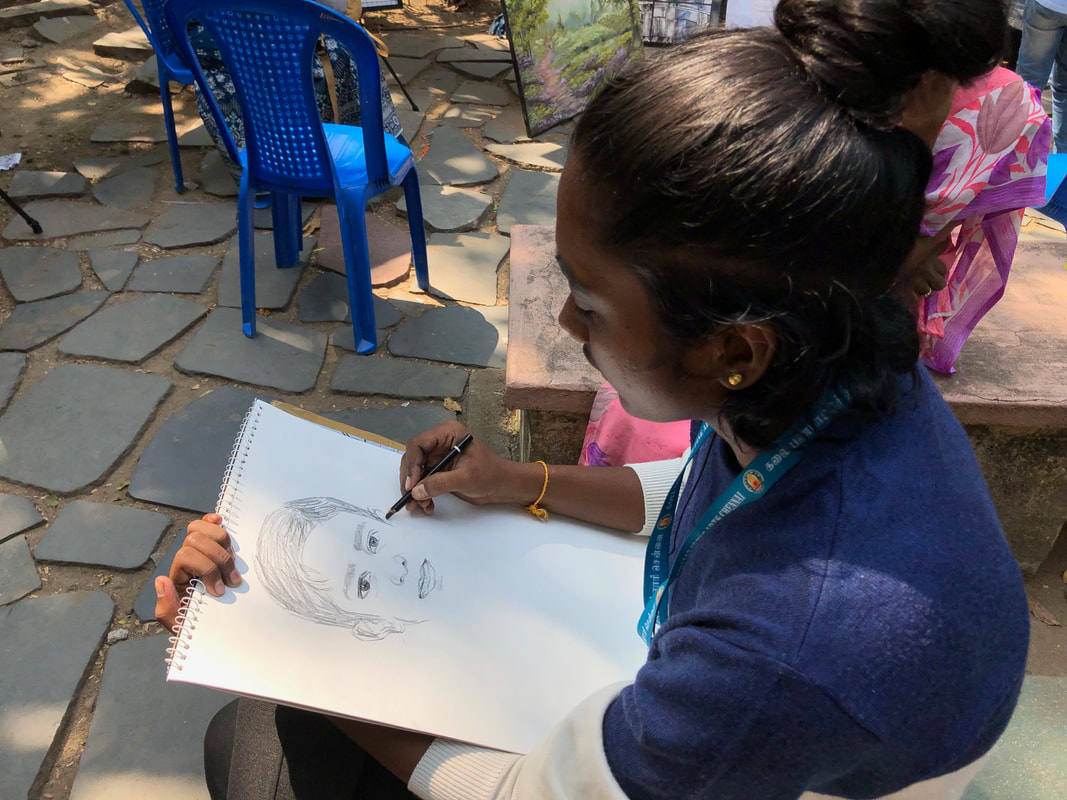
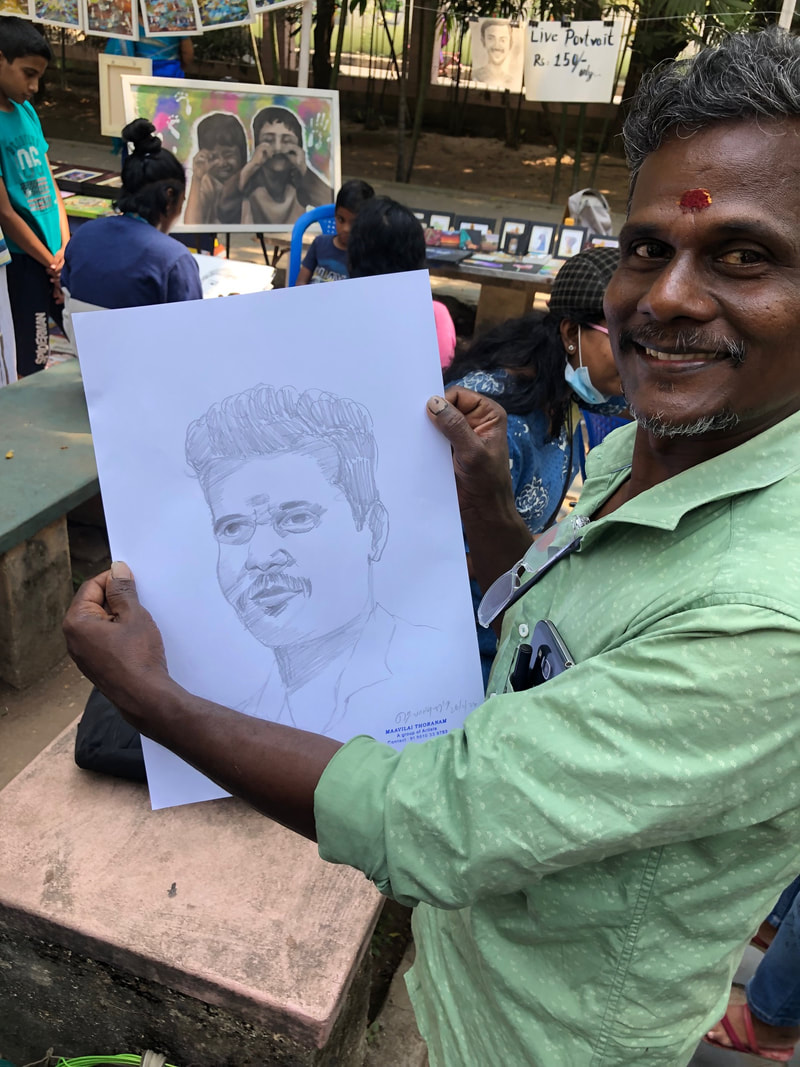
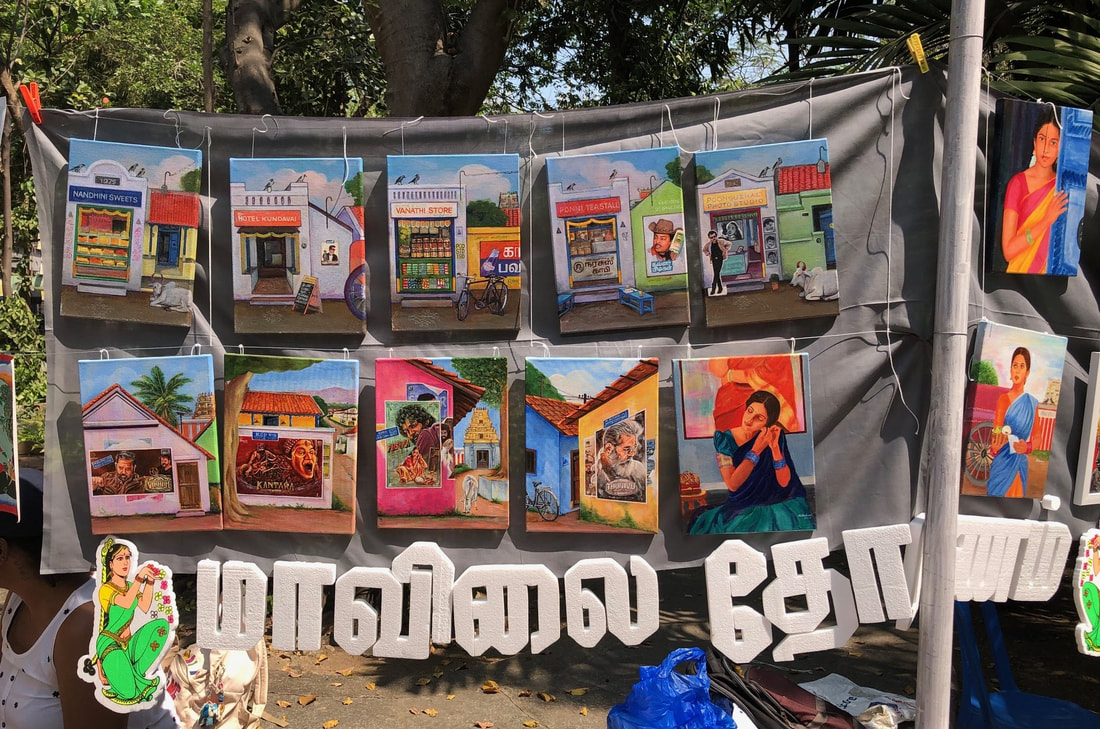
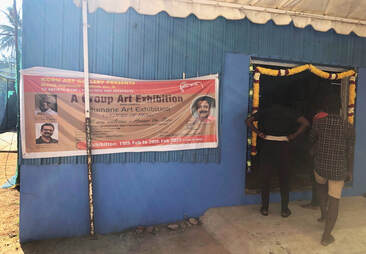
Among the artists displaying was my friend Yusuf Madhiya, who is shown here with two examples of his work. He has a very distinct style which has brought him considerable success.
(I seem to remember that Stalin and Trotsky mark 1 didn't rub along too well - I've no idea how things are between their current day namesakes).
 | 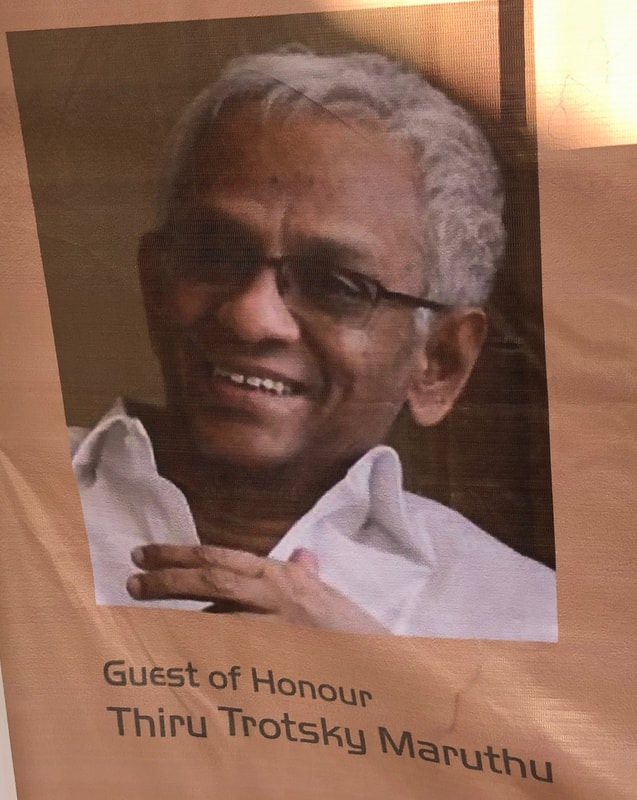 |
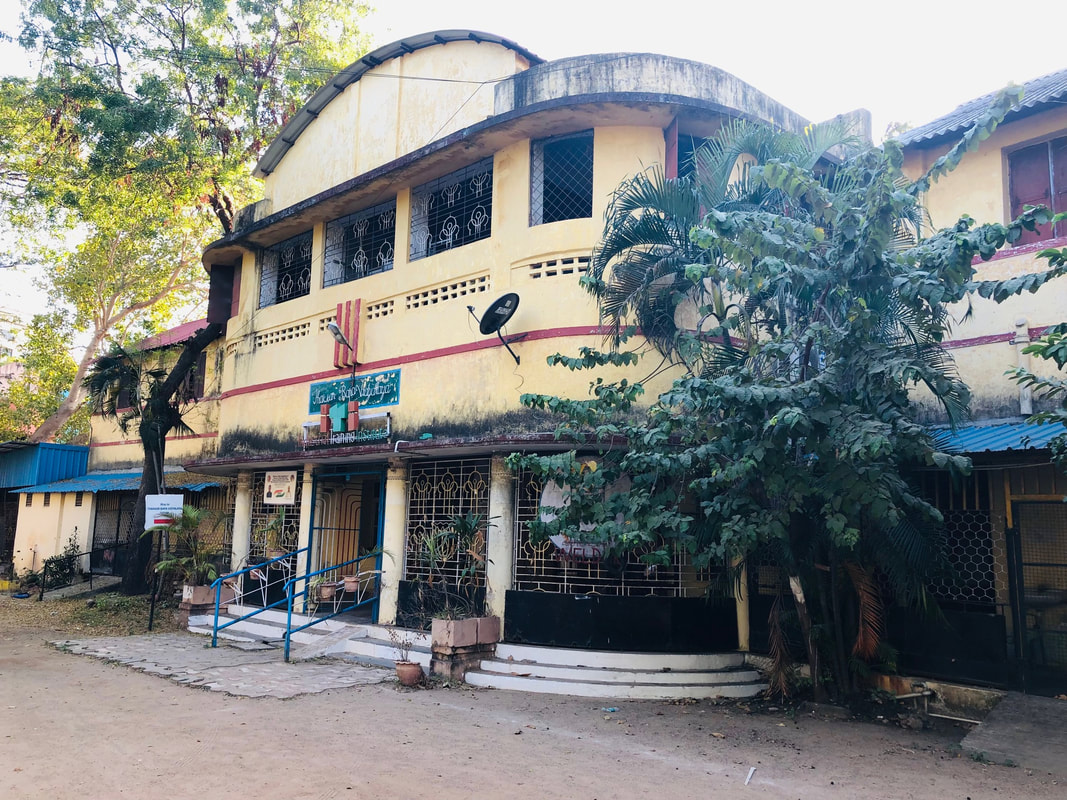
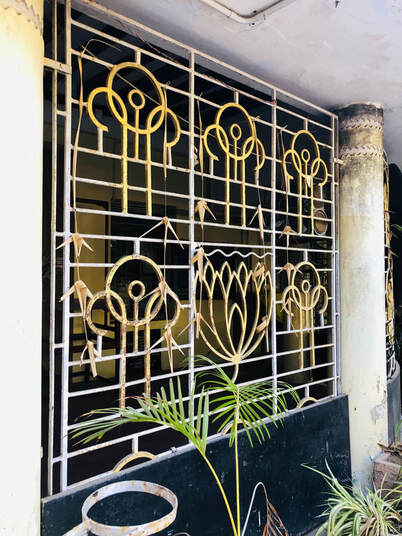
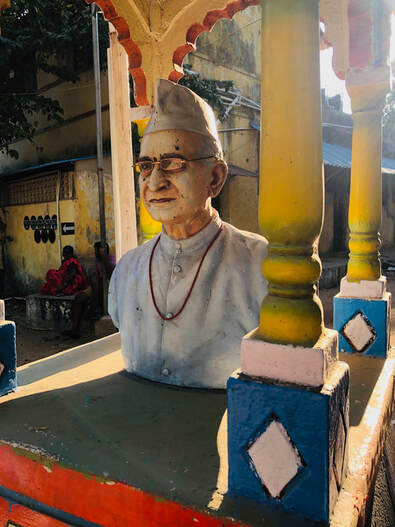
His bust is, need I say, on display - graced by what appear to be a real pair of glasses! I hope they got the lens prescription right ...
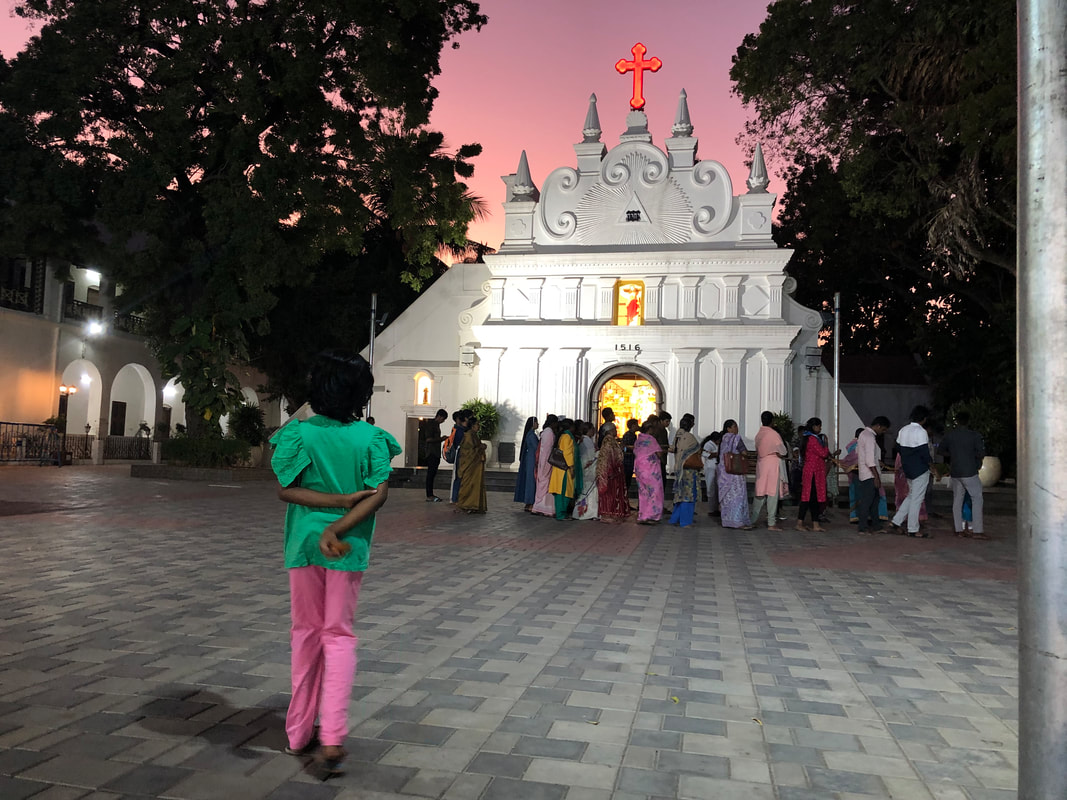
I had a walk round my Chennai 'manor' last night. The bookshop has gone - and the gym - and the coffee stall; the 'Winter Palace', the local Russian restaurant (really!), is another casualty of Covid. But the paan stall is still here, and the local shops - I've heard word of a new tapas bar nearby - and of course the Luz church is still going strong after half-a-millennium as you can see.
I am ridiculously pleased with the photo above, and the way in which the young girl's trousers reprise the colour of the evening sky, which in turn reflects the electric red cross at the apex of the building.
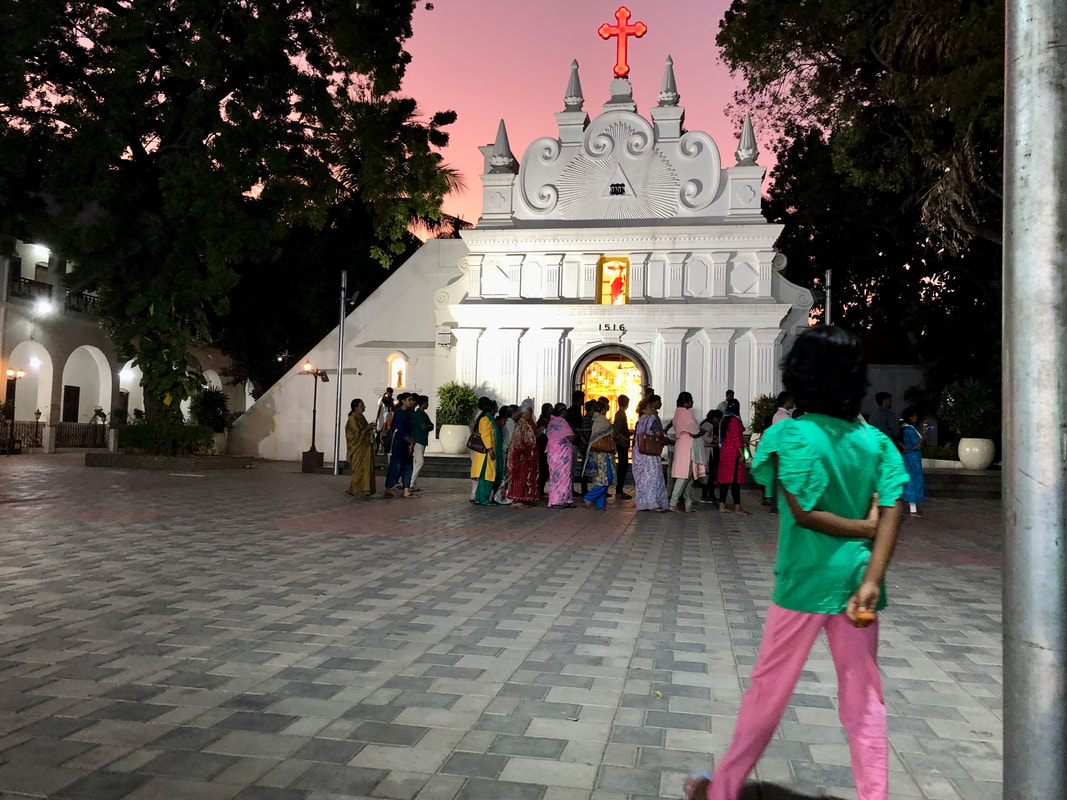
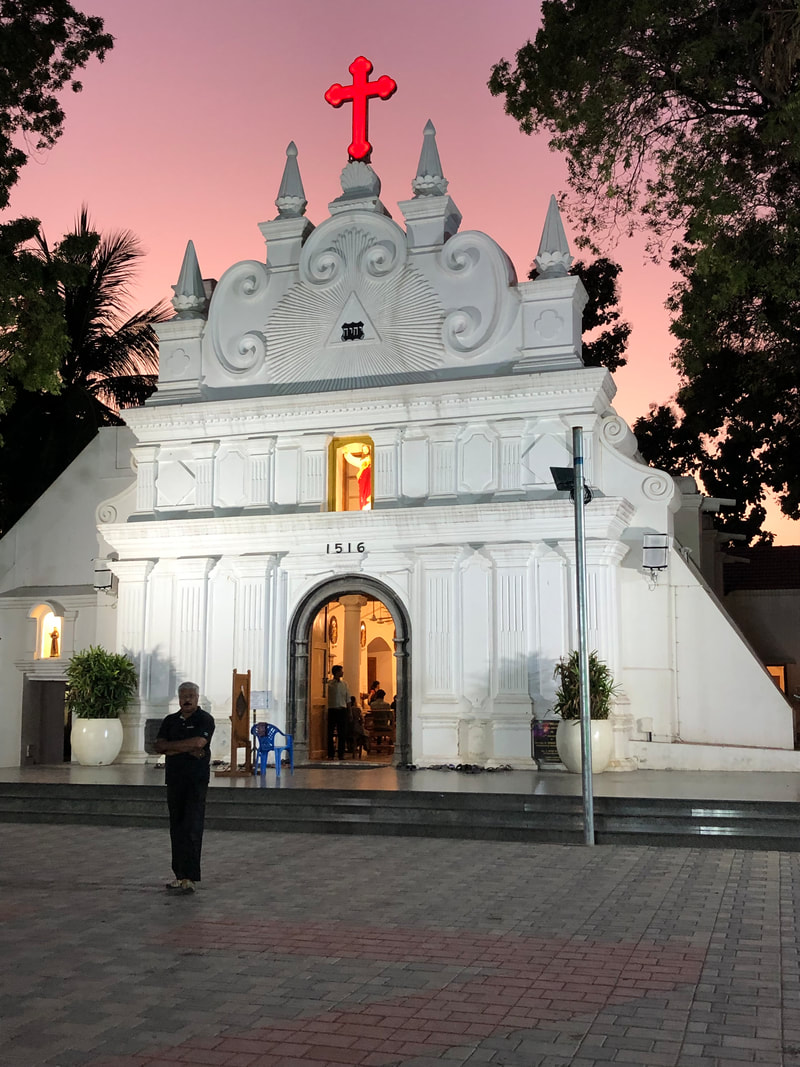
The church's full name in Portuguese was Nossa Senhora da Luz, Our Lady of Light - and in the early evening light, it's at its best.
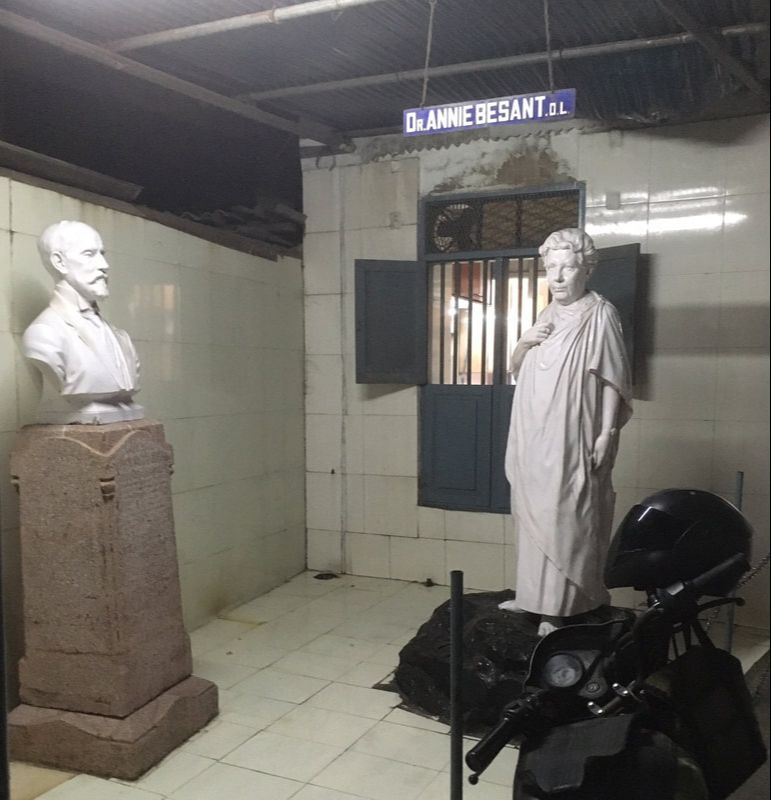
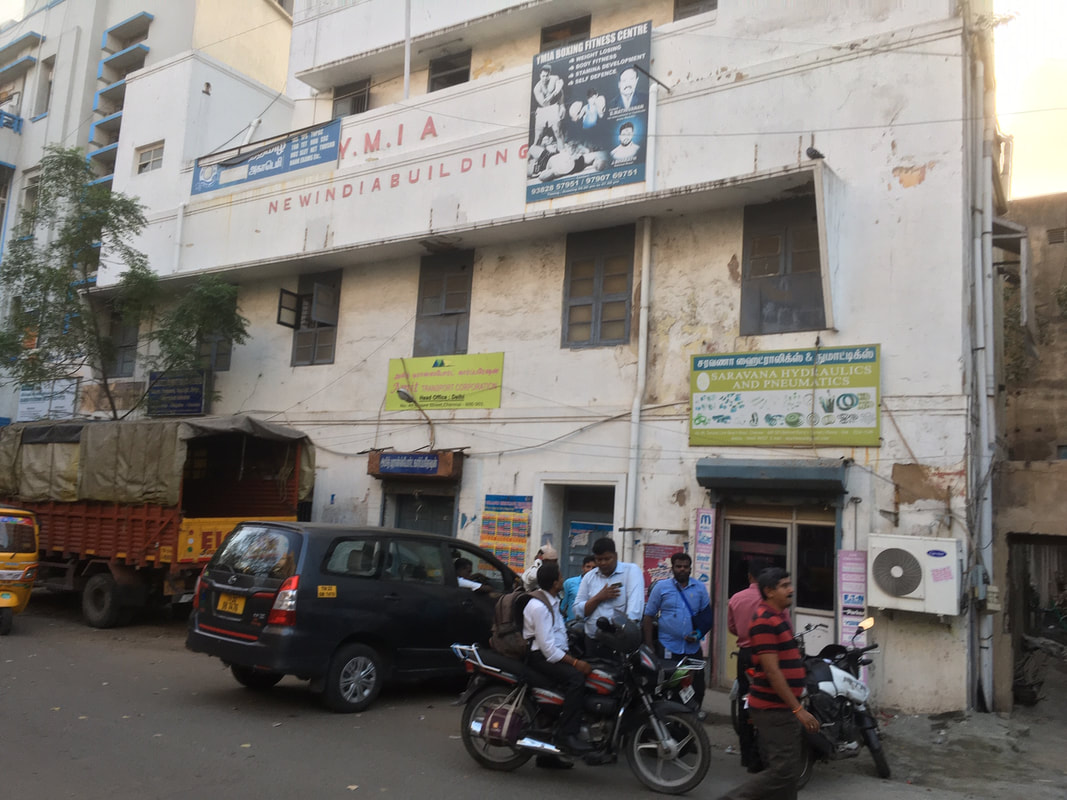
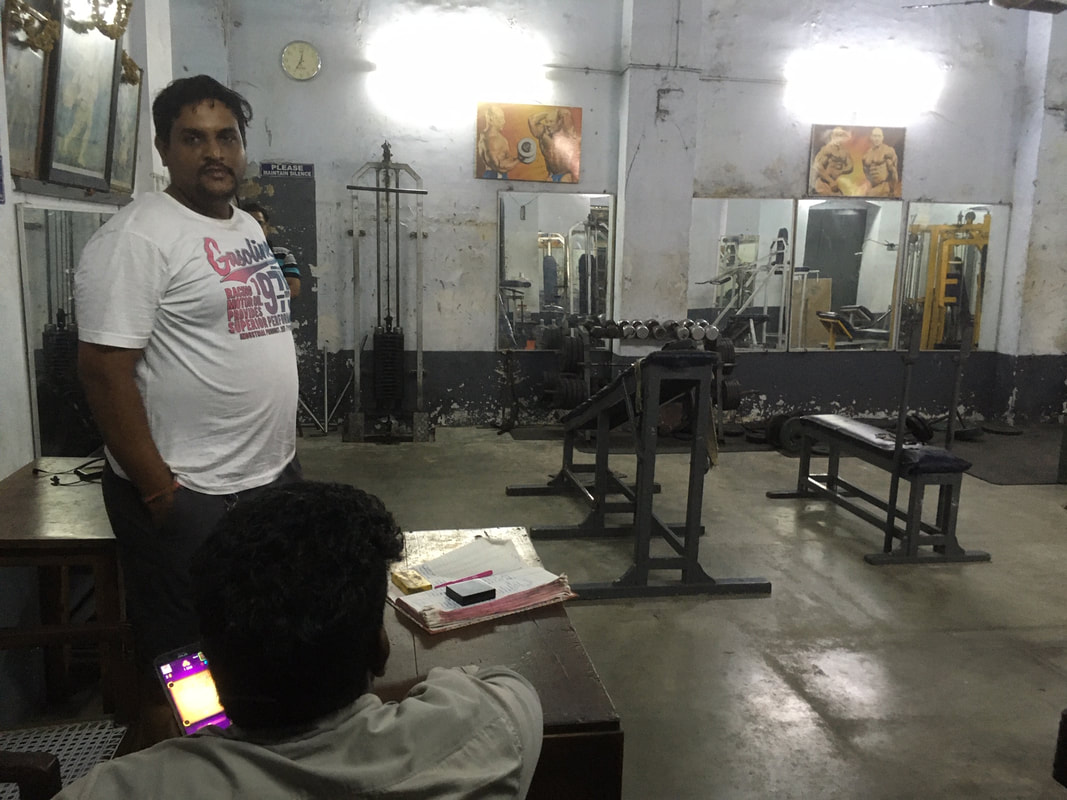
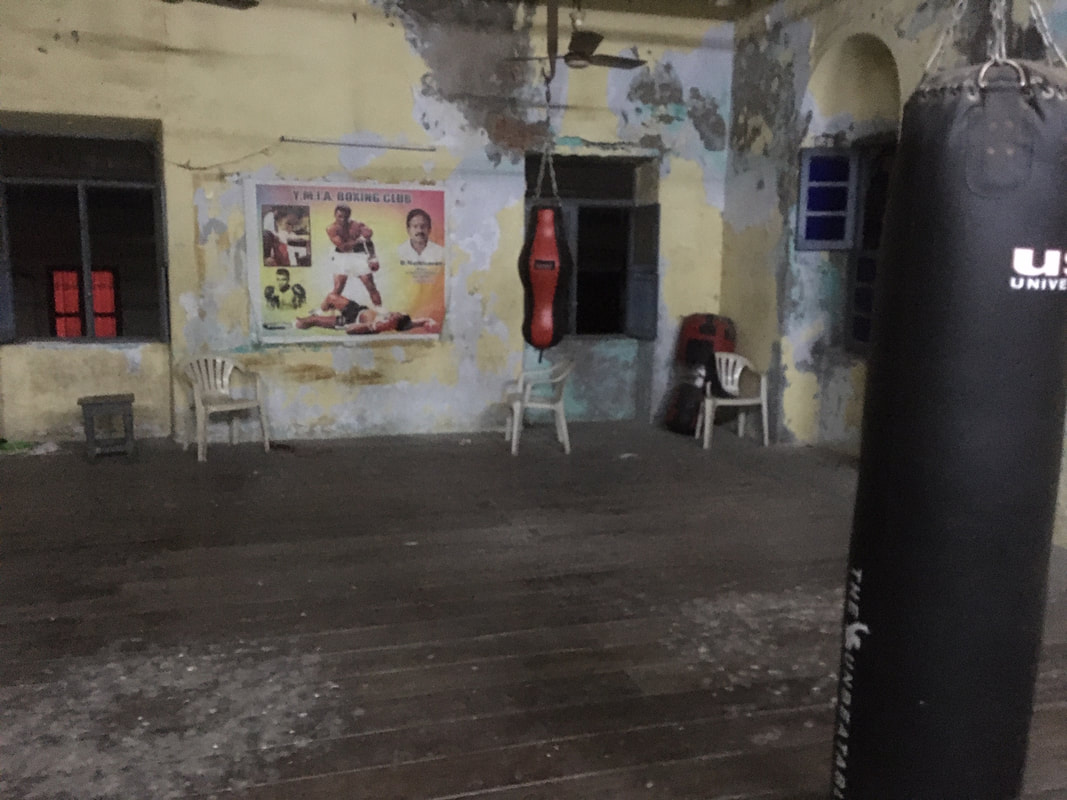
Among the many contributions the remarkable Annie Besant made to Indian nationalism was the establishing in 1914 of the Young Men's Indian Association - a challenge to the YMCA. The purpose of the YMIA was to serve as “a political gymnasium as it were, to equip the youth with a strong body, an informed mind and a noble character".
The following year, the YMIA's HQ opened - Gokhale Hall, on Armenian Street in Madras. Annie Besant paid for the construction herself. It took the name of Gopal Krishna Gokhale, a leader of the Indian National Congress and founder of the Servants of India Society, who died in February 1915.
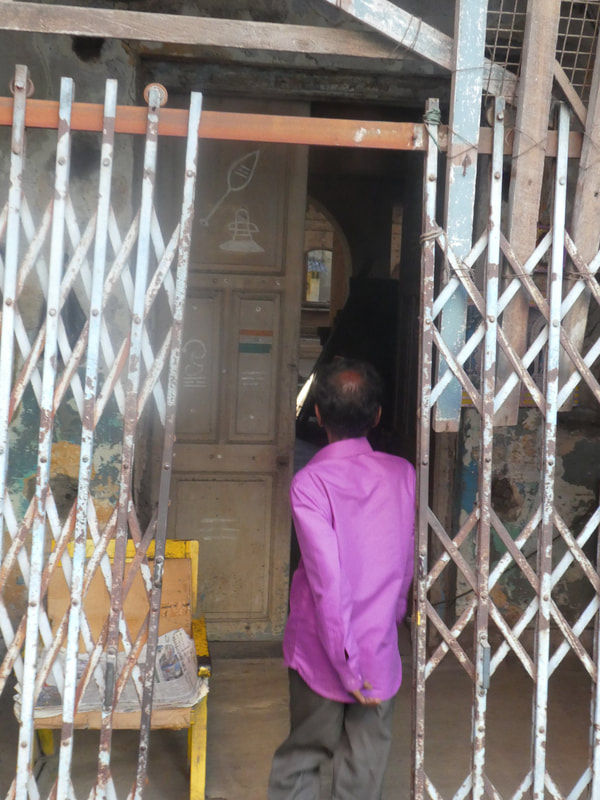
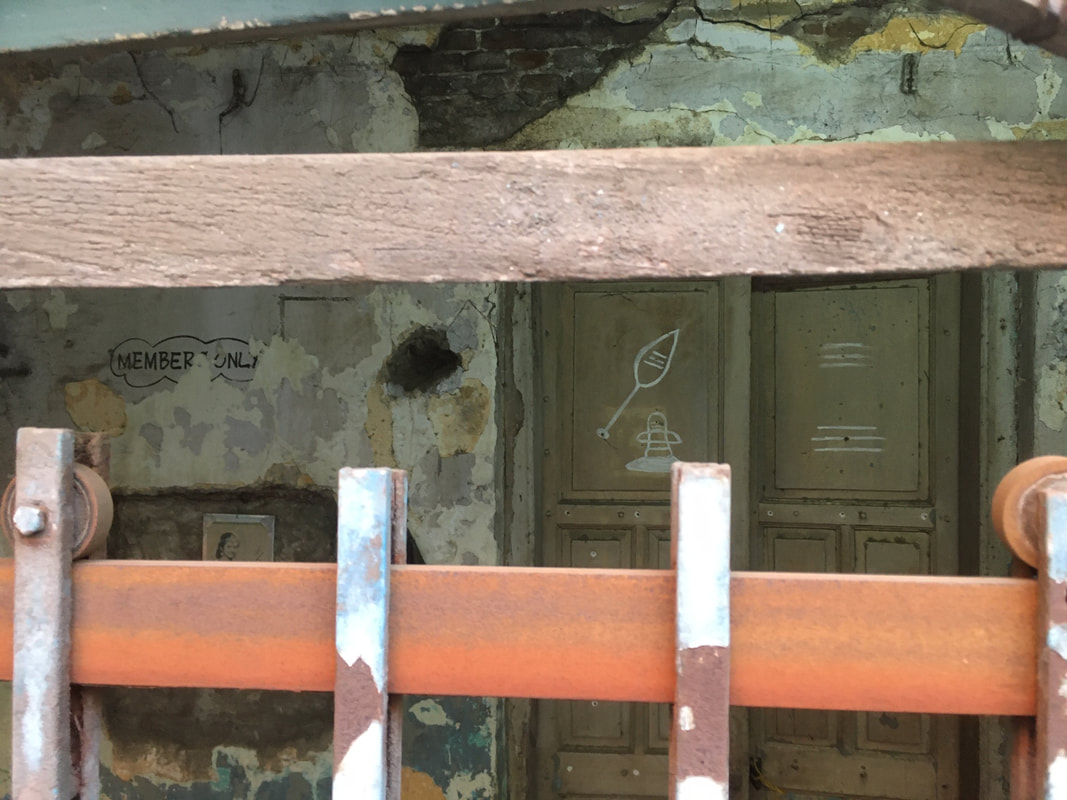
The hall has been sealed off for a decade at least. It's caught up, apparently, in a property dispute - with heritage enthusiasts seeking to block plans for demolition. But as the row rumbles on, one of the main venues of Indian nationalism is sliding rapidly into dereliction.
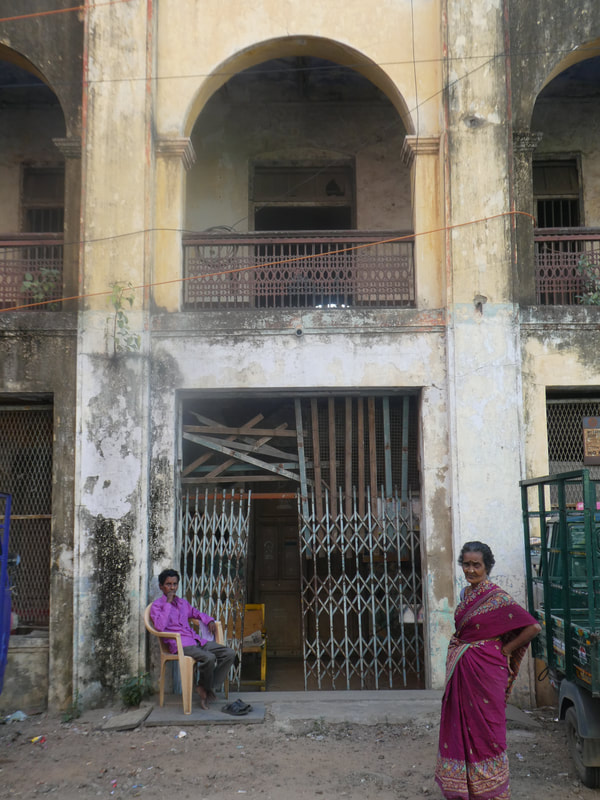
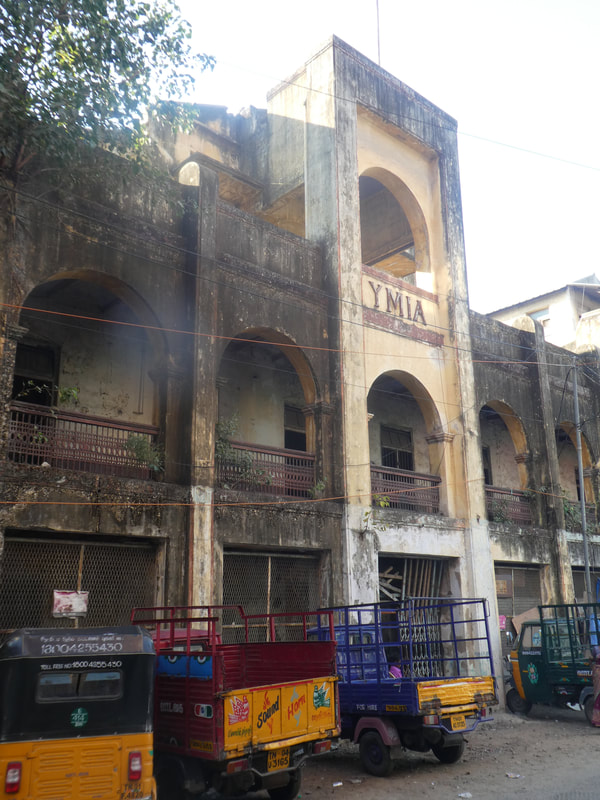
Periyar, the firebrand of twentieth century Tamil radicalism, spoke here. So too did Jawaharlal Nehru, the first prime minister of independent India.
Nehru once declared, in tribute both to the building and to Besant: "The Gokhale Hall has been the scene of great achievements in oratory and public speaking as well as music and the fine arts. It has received with open arms persons of every description without distinction of caste, creed, colour or political persuasion. The Hall ever reminds us of the voice of its founder and no one associated with it can ever forget the inspiration of that voice,"
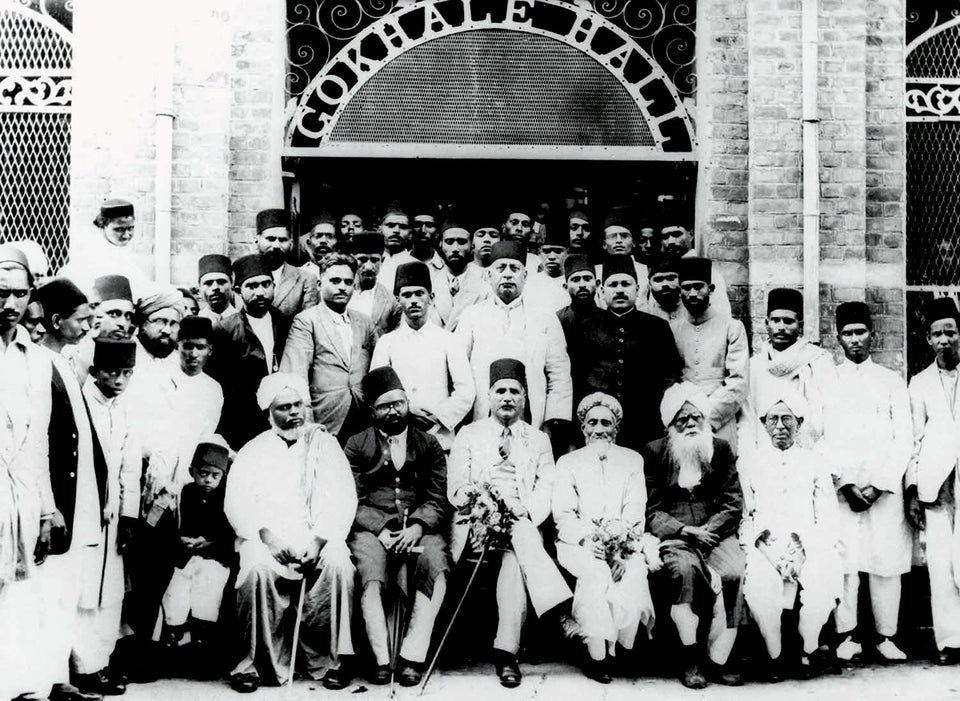
After independence, the hall became a venue for Tamil music and cultural events. But it is now slipping into dilapidation.
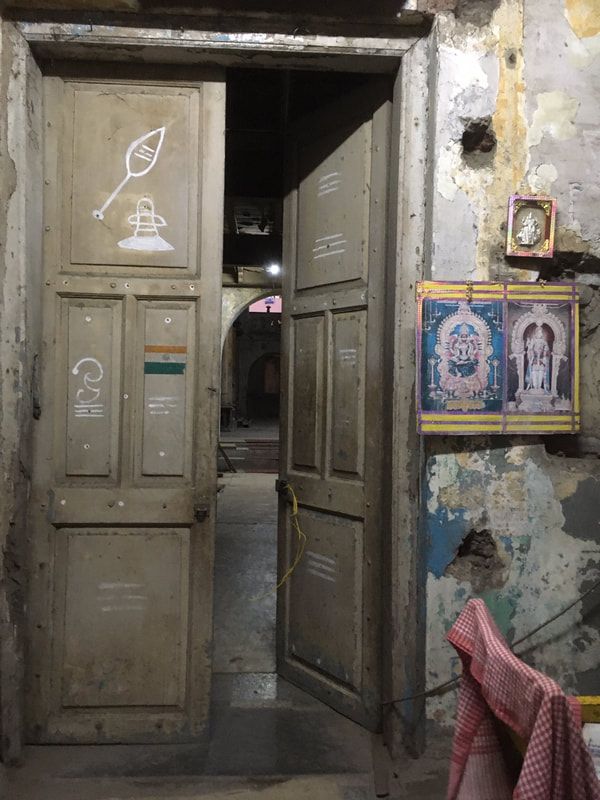
The hall has a caretaker who sits outside the shuttered entrance and keeps all-comers at bay. When I spotted a door leading into the hall ajar and started to photograph through the security grille, he quickly closed this peephole on the hall's once glorious past.
 |  |
It transpires these items have been retrieved from Gokhale Hall and appear to be well cared for in their new home.
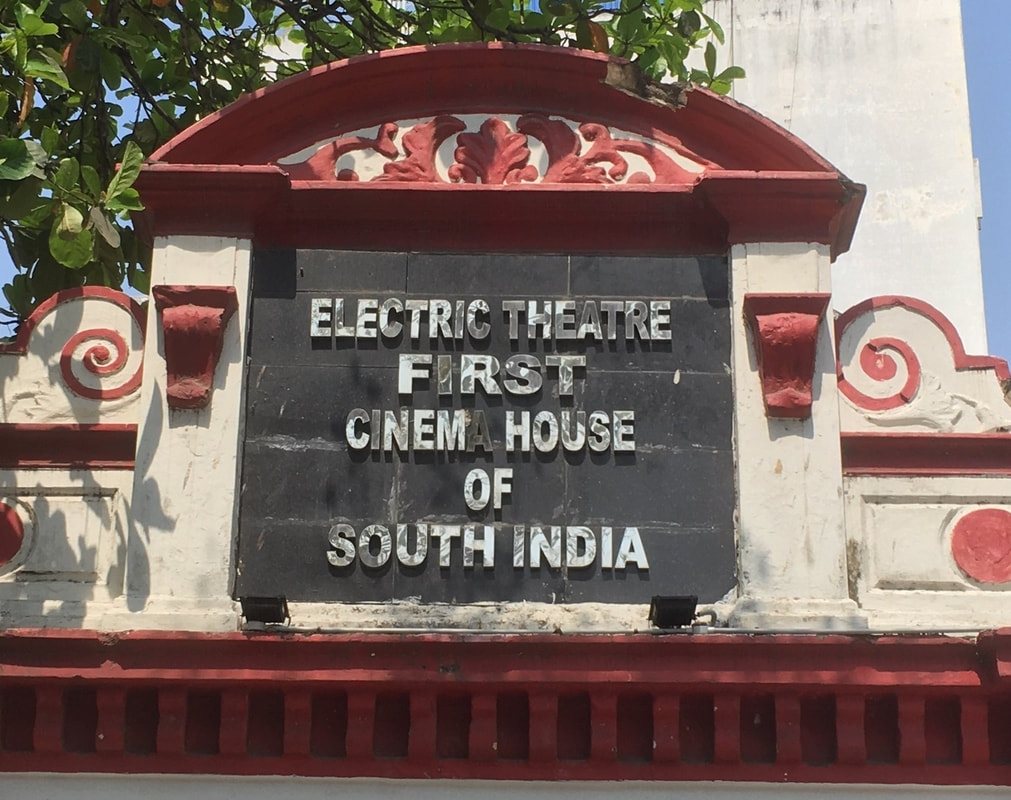
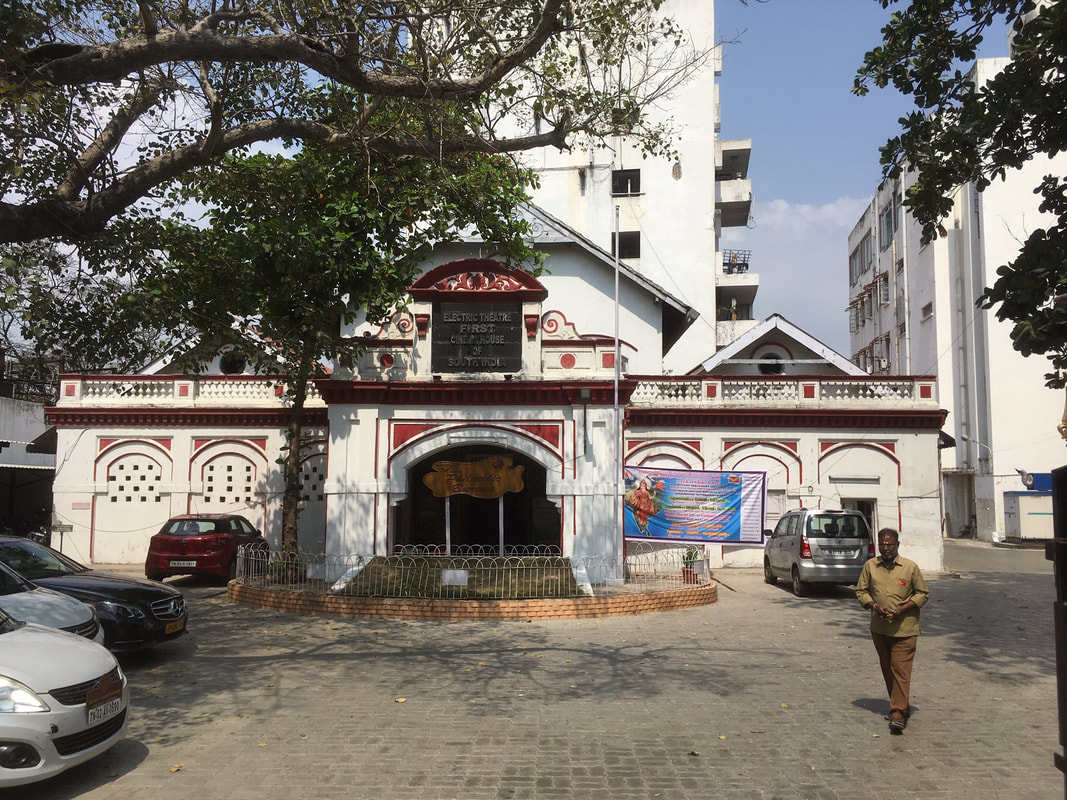
The shed became the rather fetching building which still stands. Within a couple of years of starting as a movie house, the Electric was sold and became a post office.
The city's much more modern main post office now looms over the original building, which survives as Chennai's philatelic bureau.
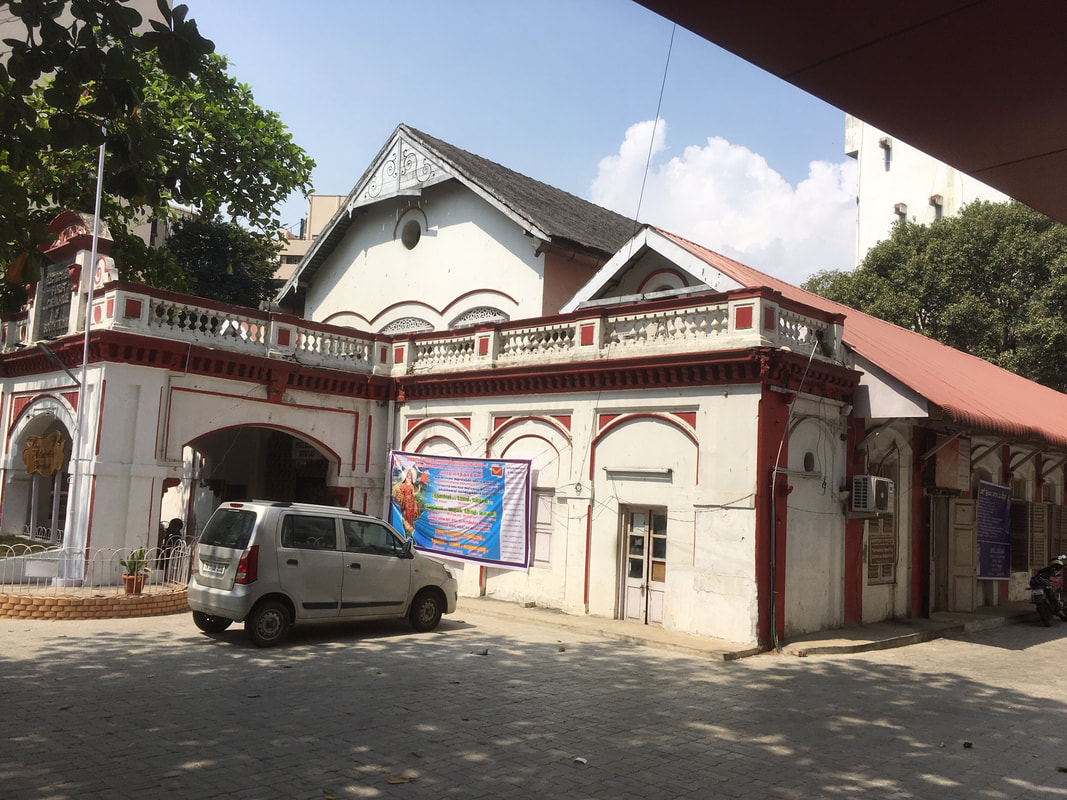
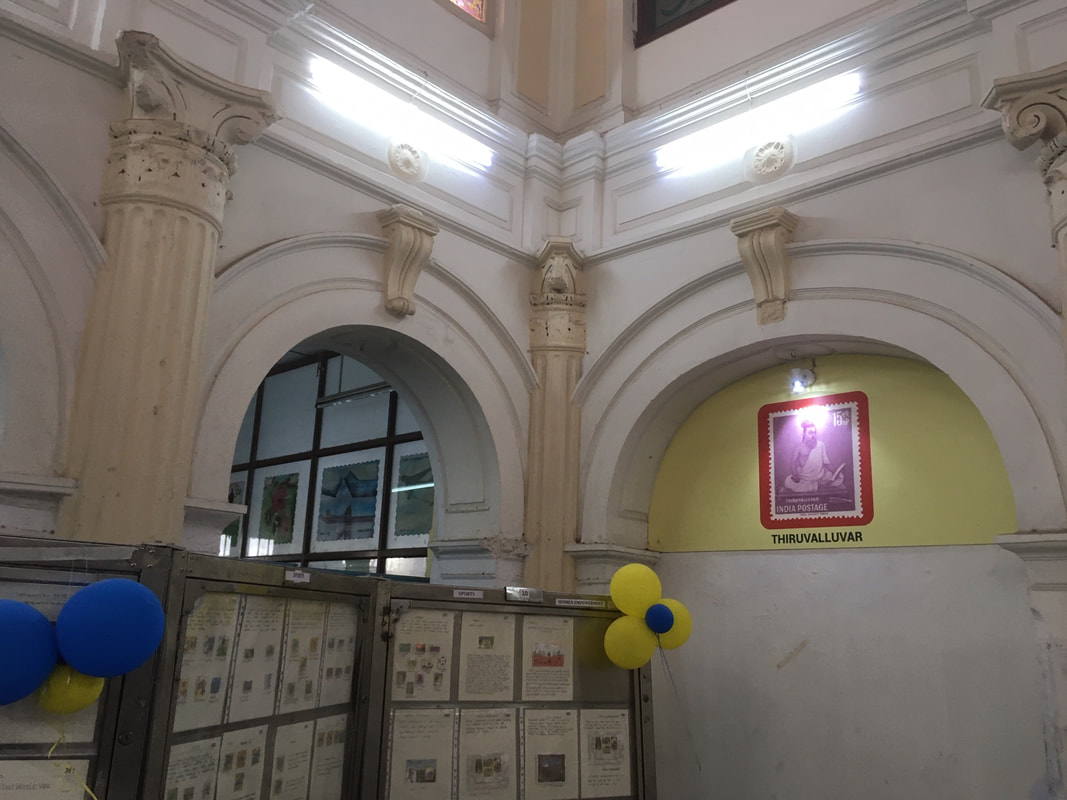
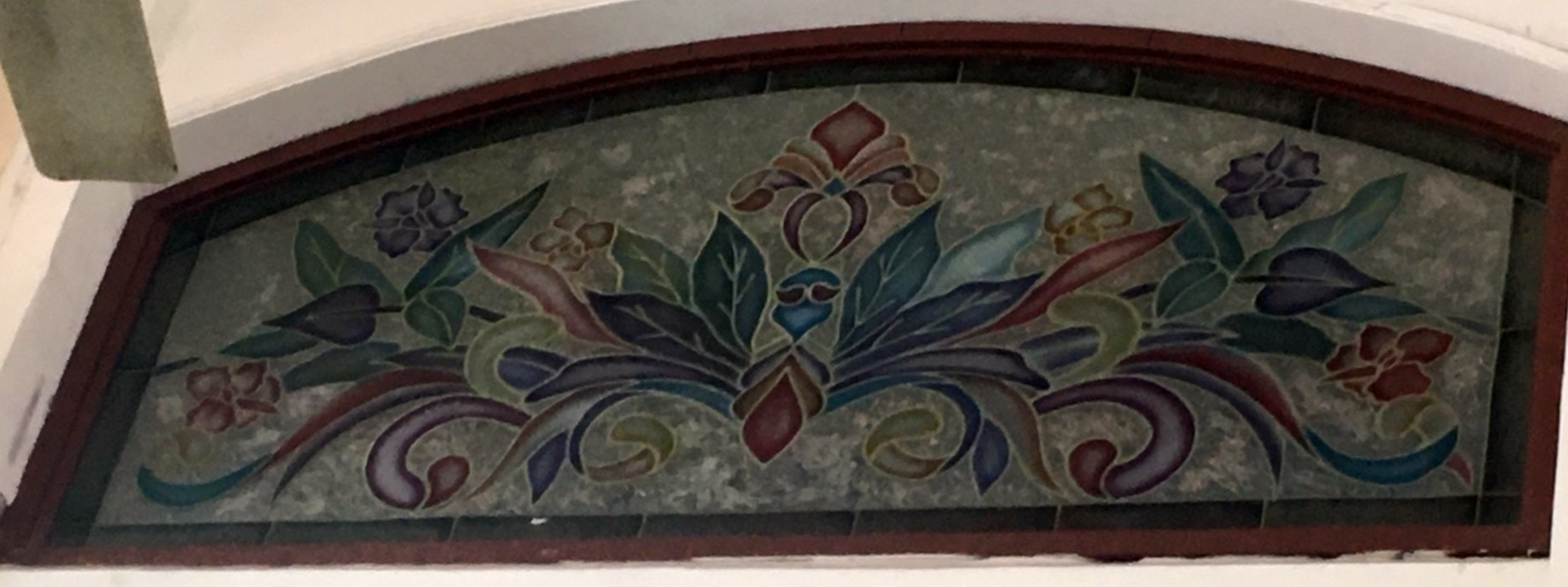
When an eager assistant asked if she could be of assistance, I guiltily admitted I had come simply to admire the old building not the old stamps.
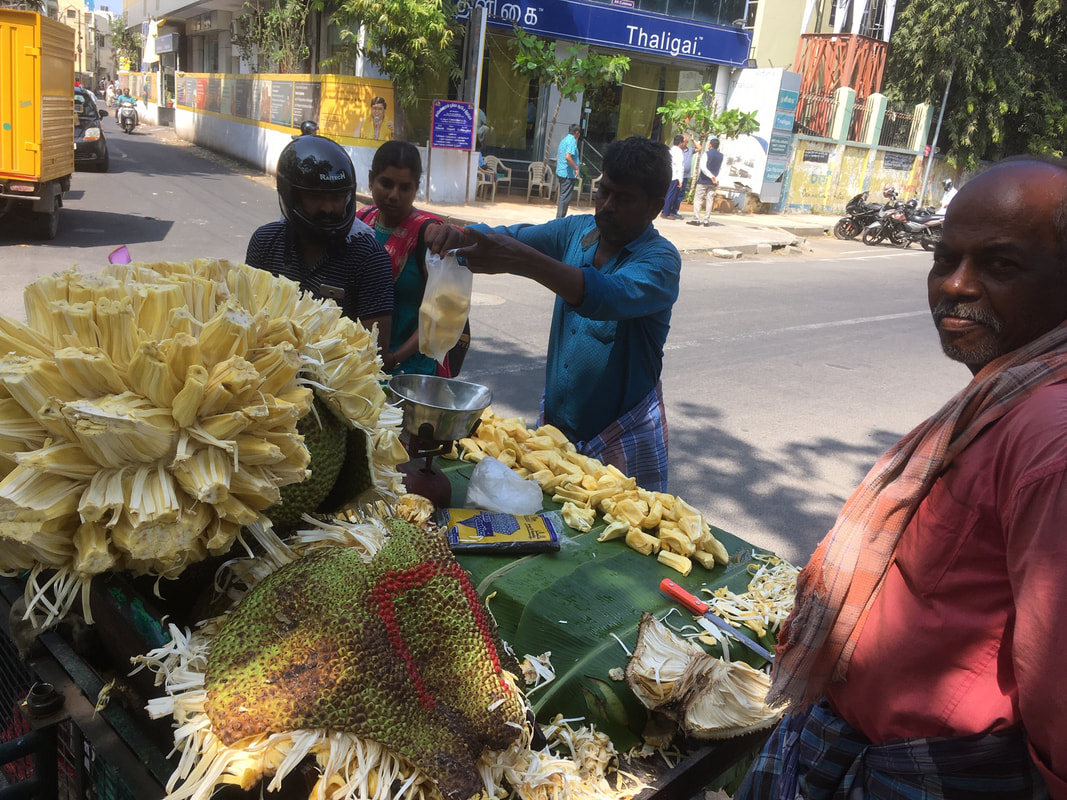
Happily, the just-ripe-enough-to-eat fruit, once cut, bears a much milder and sweeter smell. Distinct, but enticing.
And if you want to get a sense of where jackfruits are grown, well, it's the national fruit of Sri Lanka and of Bangladesh and the state fruit of both Kerala and Tamil Nadu, India's southernmost states.
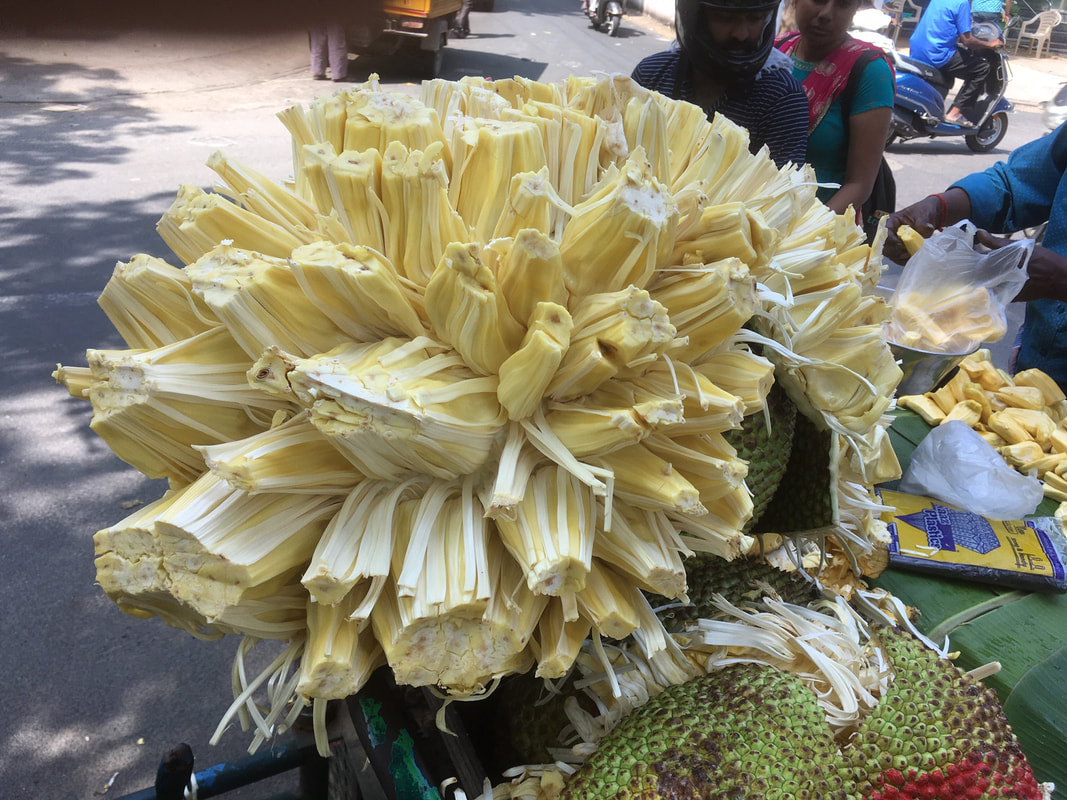
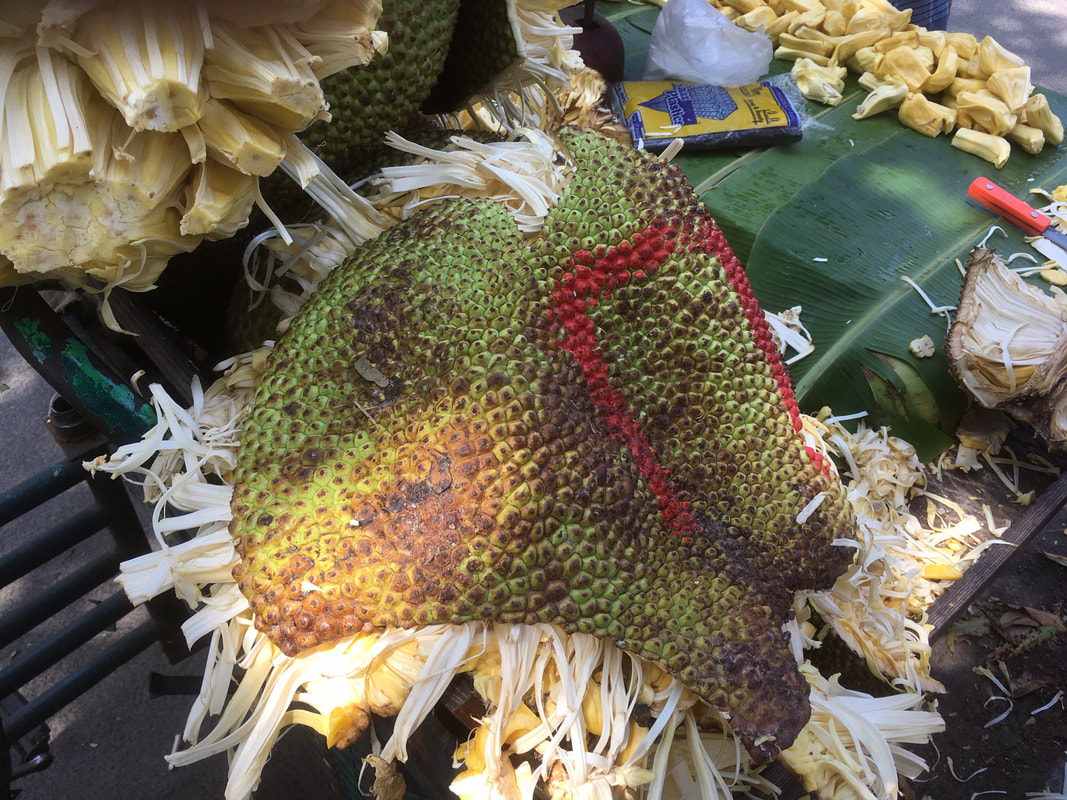
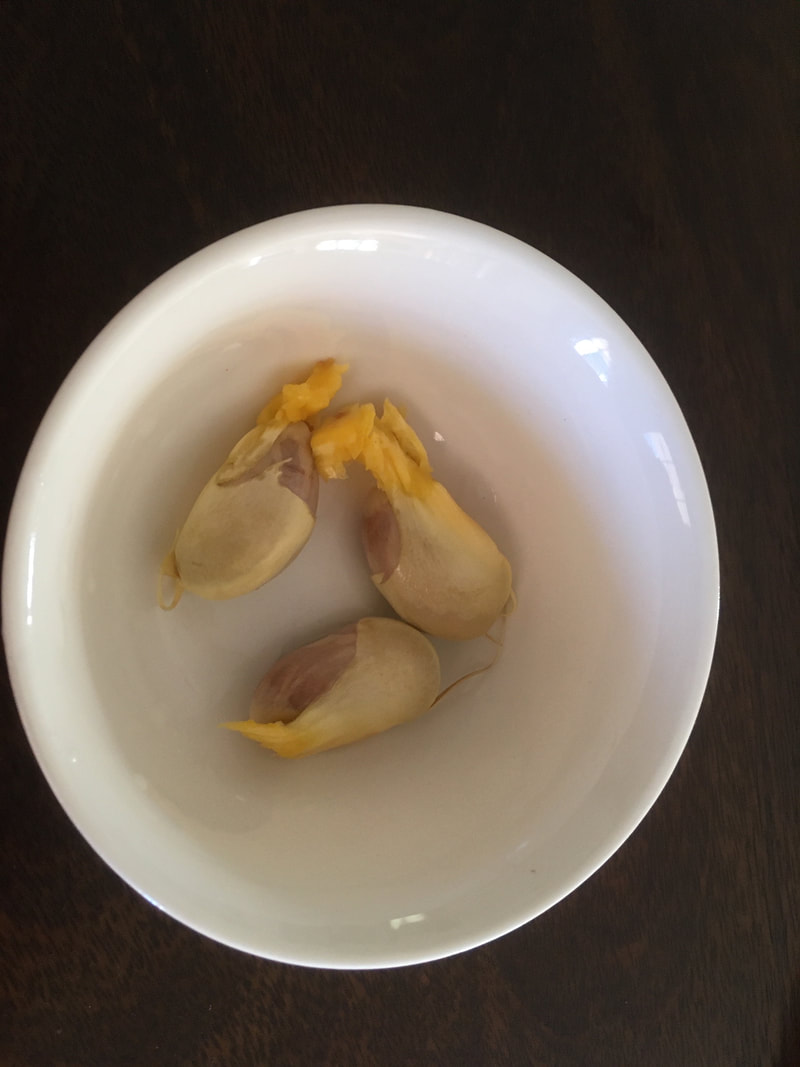
Cutting a jackfruit takes some skill. Inside the skin, pods of flesh surround dozens of stones or seeds. Nobody takes home a complete jackfruit; they are sold by weight as little pouches of fruit-plus-stone.
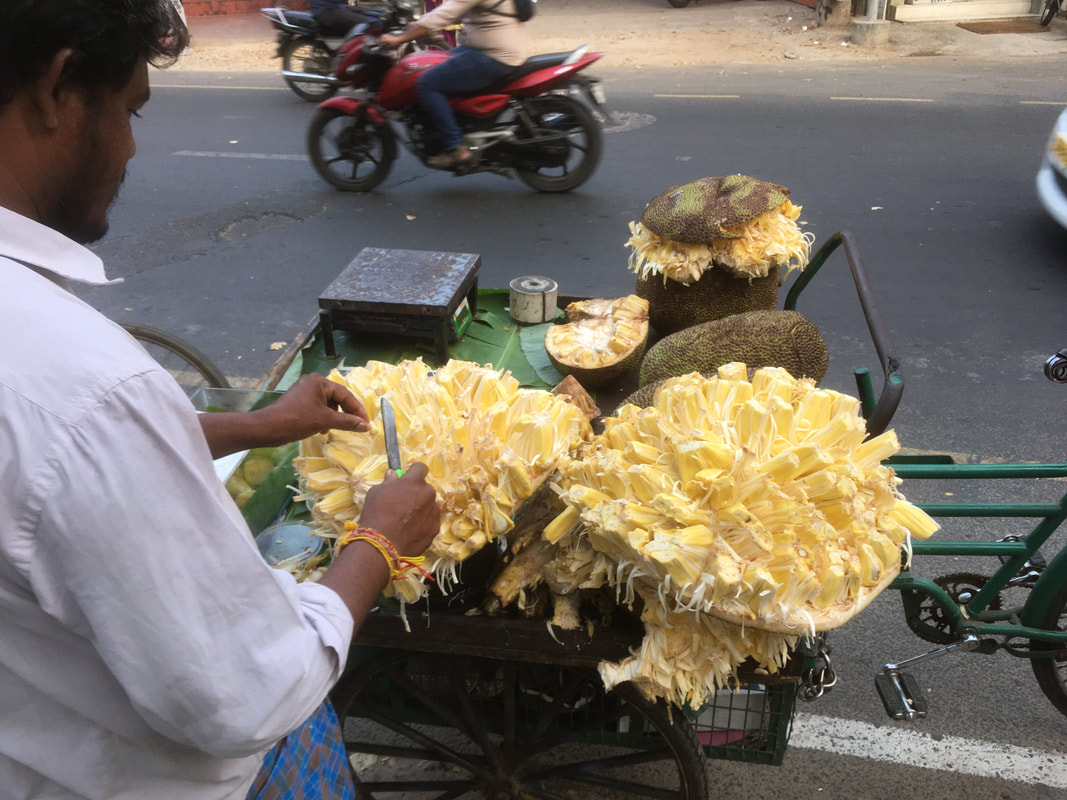
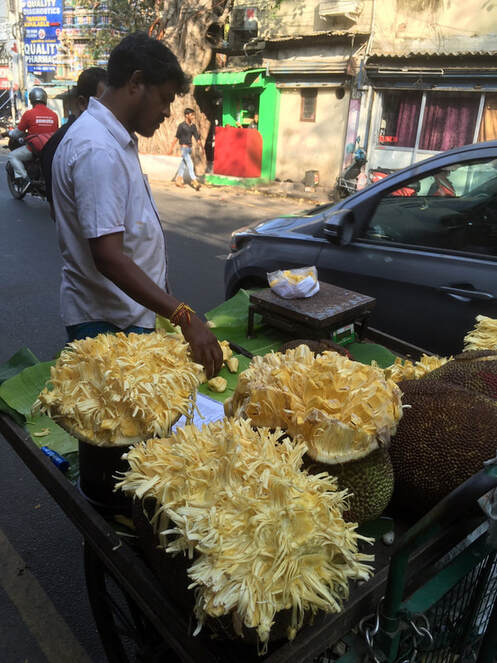
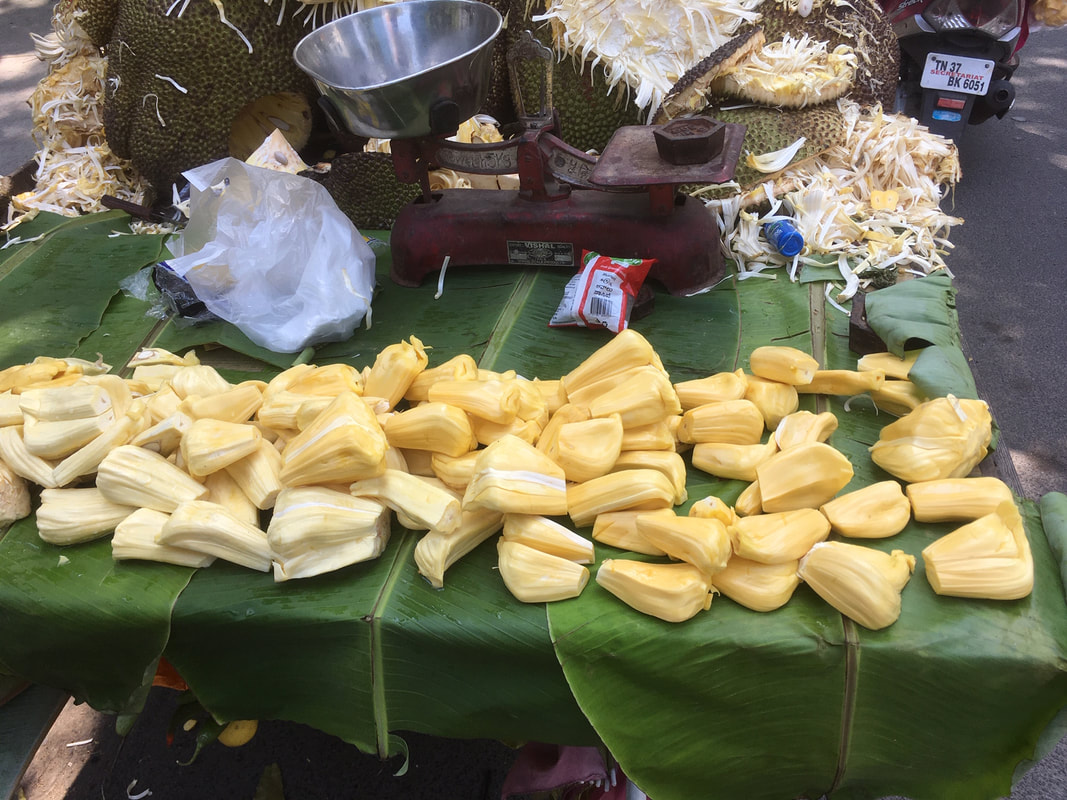
It's popular. There's a steady stream of scooter drivers and passers-by stopping to buy.
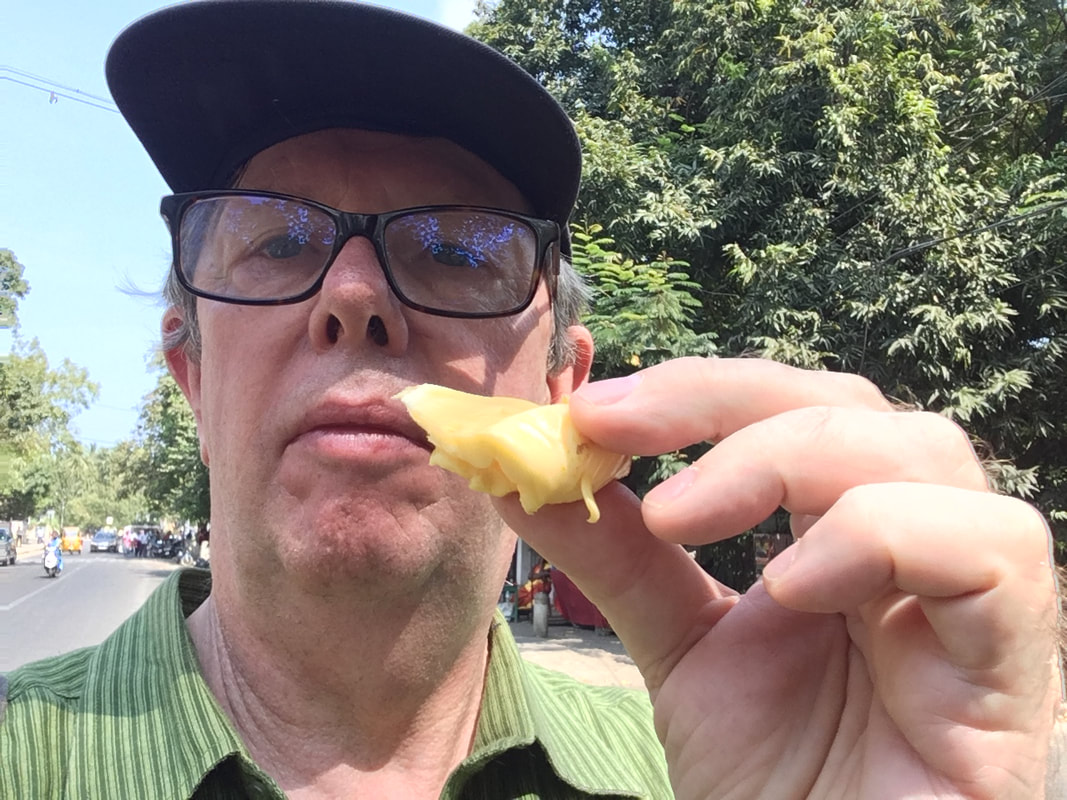
And at the heart of each fleshy segment is a sizable stone, which can also be fried or roasted and eaten.
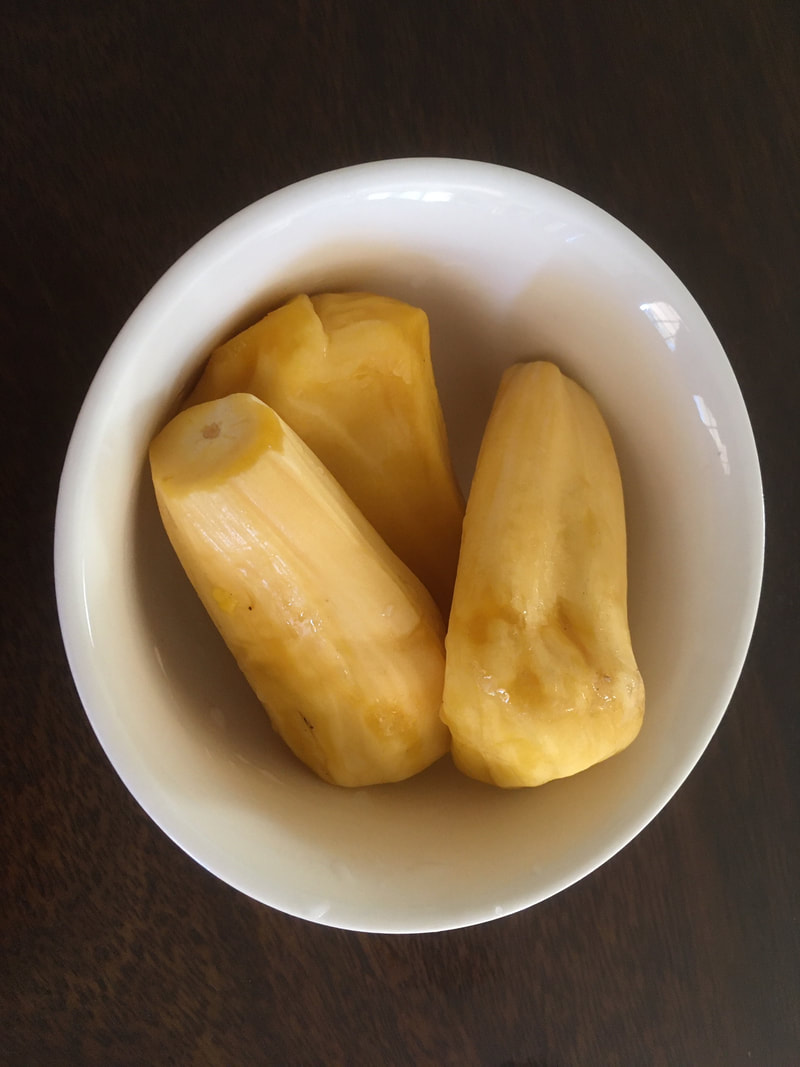 |  |
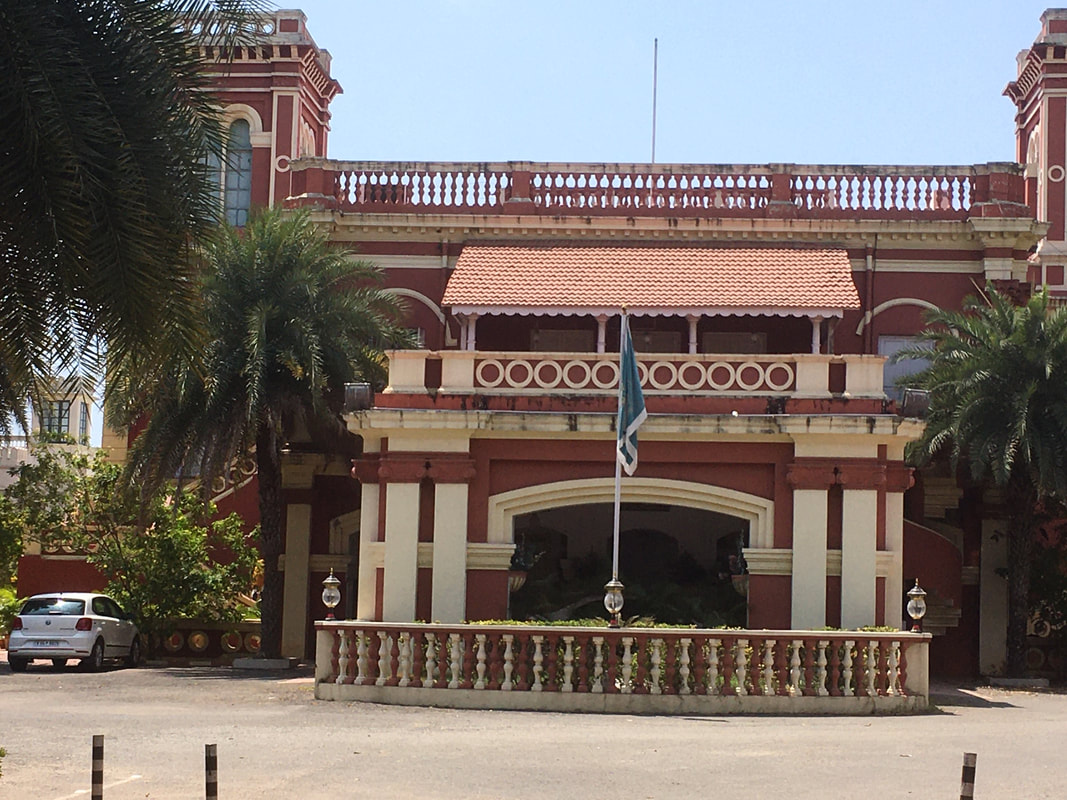
A walk round the Triplicane district of Chennai with my friend and heritage expert Yusuf Madhiya ended up with a call at Amir Mahal, the palace of the Nawab (or Prince) of Arcot. The family has an impressive mid-nineteenth century palace in eighty acres of grounds. That includes a cricket pitch where a match was underway ... a sort of England v India contest.
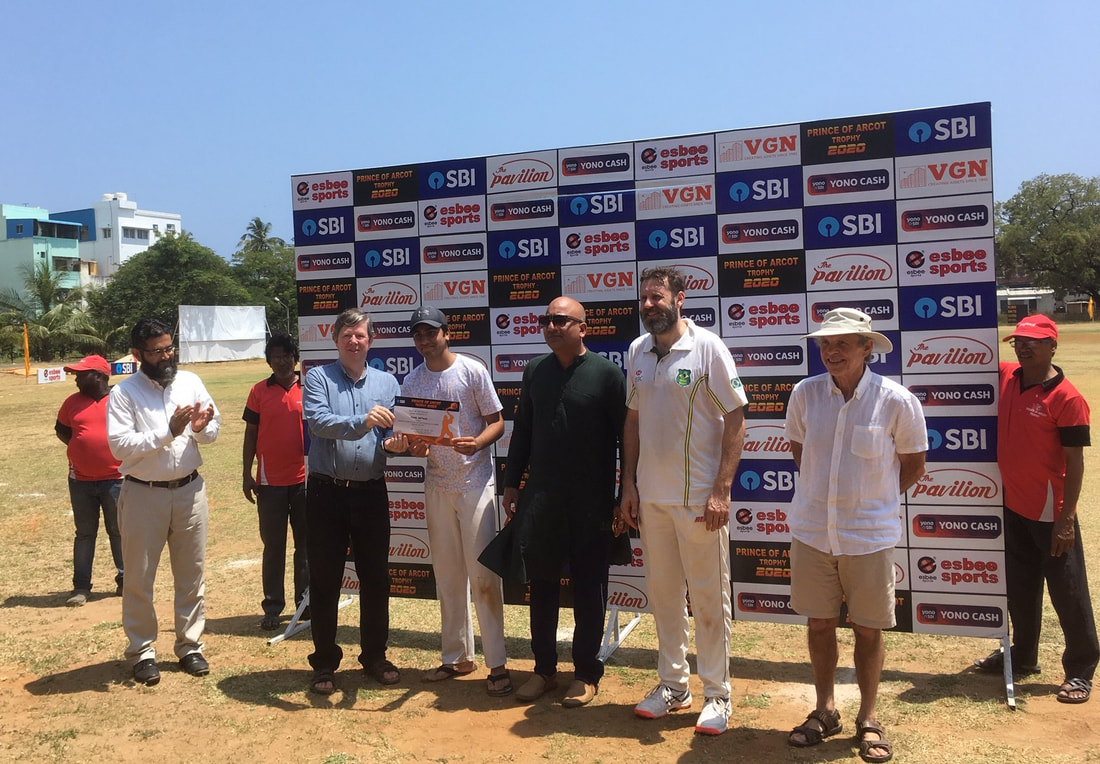
The British Deputy High Commissioner's team was playing - and lost by a wide margin. And I ended up giving an award to the man of the match. (And no, he wasn't from the British-led team).
So in this photo you have: Yusuf; me; Yash, the man of the match; our host, Mohammed Asif Ali, the Dewan (senior adviser) and heir to the Prince of Arcot; the British Deputy High Commissioner here, Oliver Ballhatchet; and his father, Ralph.
The hospitality was wonderful. I was invited to join cricketers and guests in partaking of an excellent chicken biriyani and - as a sweet dish - a spectacular bread halwa, a palace speciality, rich in nuts and fruit.
The title was established by the Mughals in the 1690s as the Nawab of the Carnatic - an area which included what was then Madras but initially had as its capital the town of Arcot. The dynasty had to weather the demise of the Mughals, the rise of the Marathas, and then the increasing power of the British. It did so with a fair measure of success.
But when the thirteenth Nawab died in 1855 without a direct male heir, the British invoked the indefensible 'doctrine of lapse' to annex his territory.
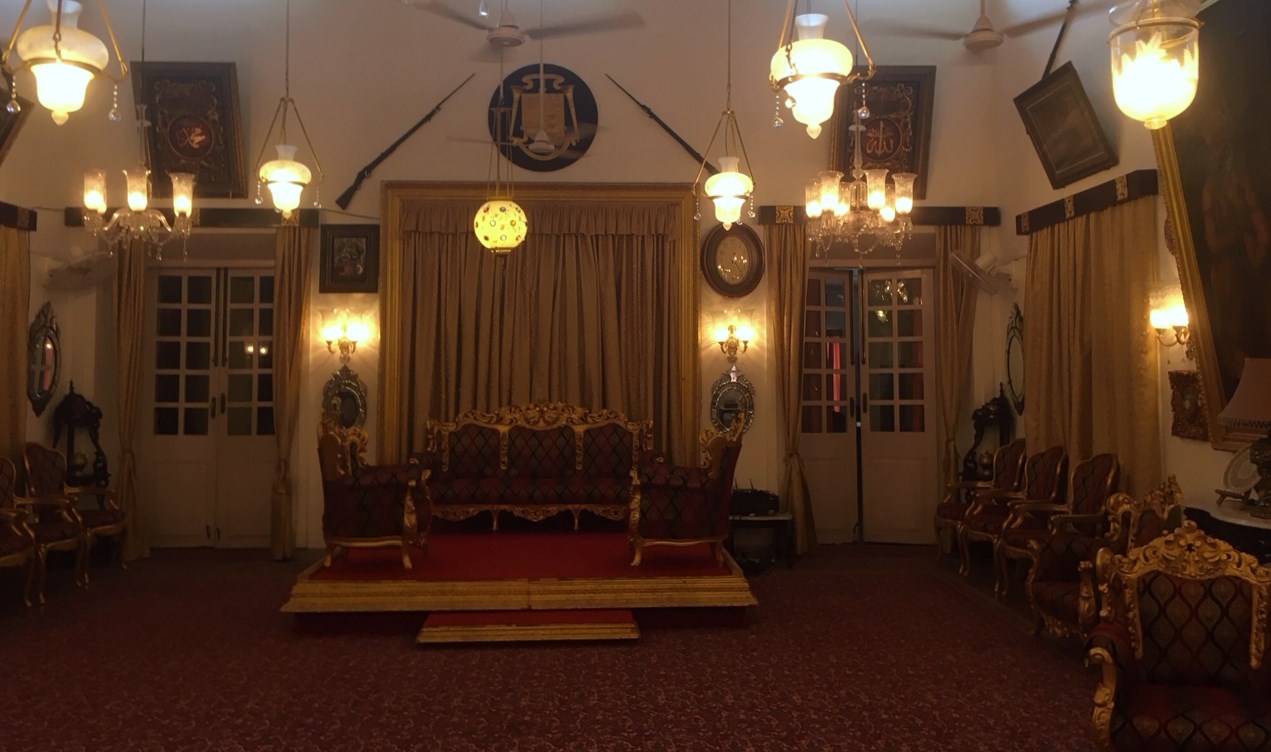
The Nawab's old palace in Chepauk, close to what is now Chennai's Marina beach, had been taken over by the government - so the restored princely family built a new one on land they owned in Triplicane. And that's the imposing, and distinctly well-kept, palace where the royal family continues to live.
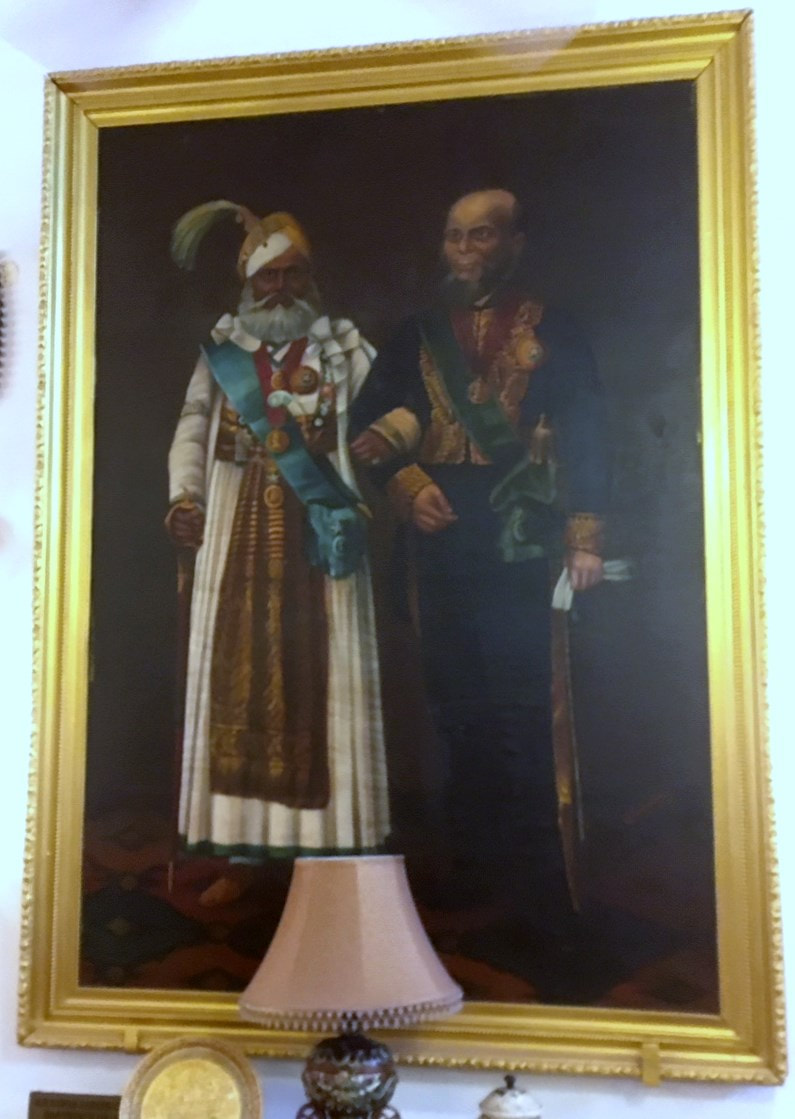 | 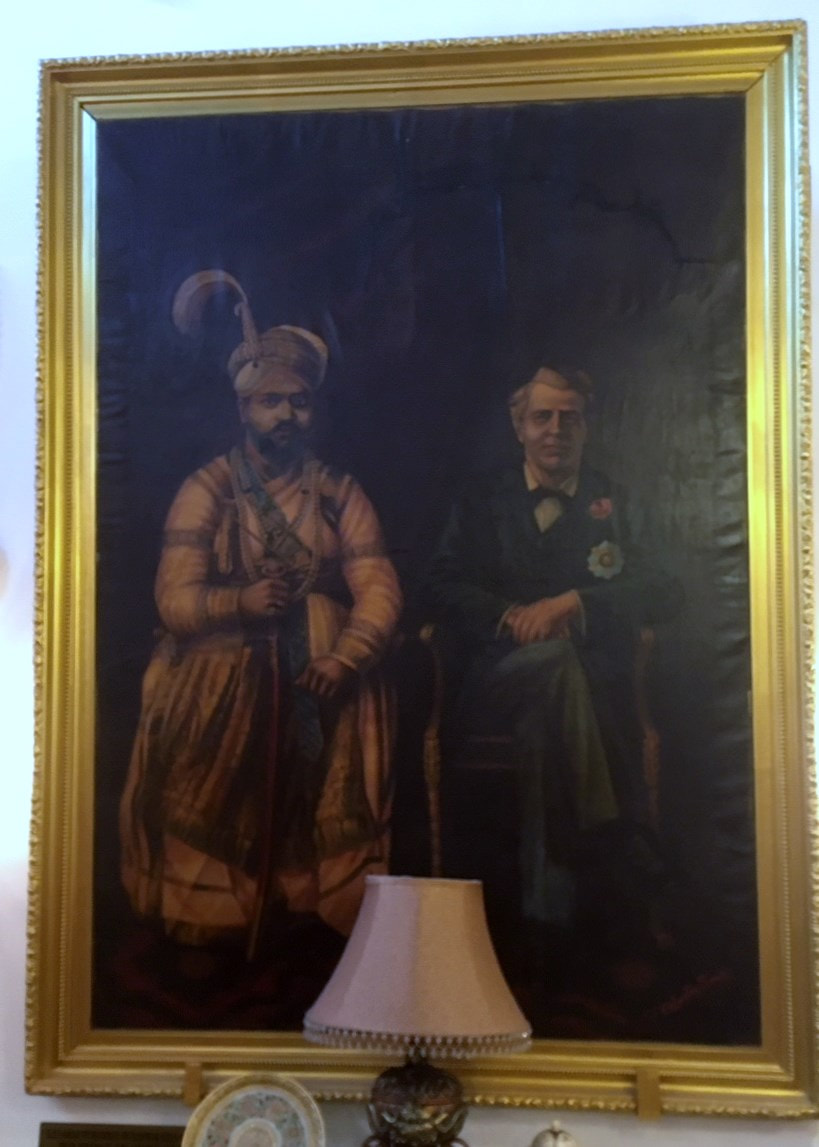 |
In the palace's durbar room there are oil portraits showing various Nawabs of ages past alongside - and in one case arm-in-arm with - the top British officials of the region. Of the two joint portraits shown here, the first includes (on the right) a distinctly grumpy-looking Duke of Buckingham, Governor of Madras Presidency, and in the second portrait the Brit depicted is Lord Connemara, another Governor of Madras (after whom Chennai's leading heritage hotel is named, now the Taj Connemara).
Also on display in the durbar room are photographs of more recent VIP visitors to the palace including Queen Elizabeth, the Shah of Iran and Jawaharlal Nehru (who's not from a royal family but sure did start a dynasty).
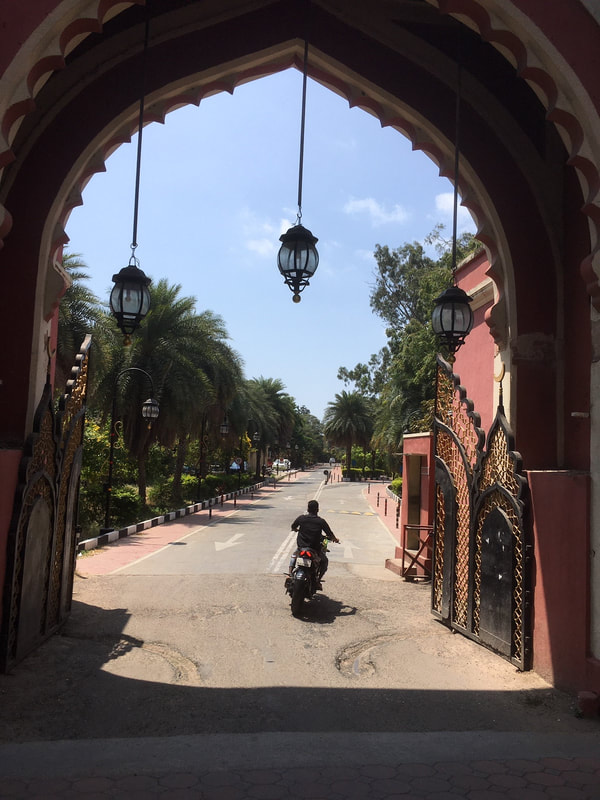
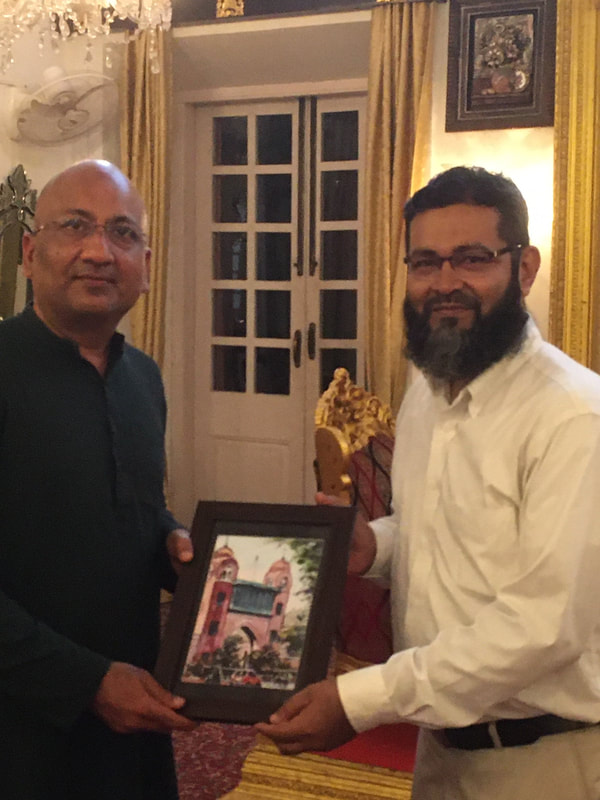
The princely family's considerable influence comes above all from their extensive property holdings in Chennai and elsewhere. The Nawab of Arcot and his family are well-off. And they have a long established tradition of philanthropy and community involvement which means that the family is well regarded locally,
The family are Muslims and the Wallajah Big Mosque in Triplicane - Chennai's largest mosque - stands on their land. Indeed it was built by the family in 1795 and takes the name of one of the most formidable Nawabs of the Carnatic, Muhammad Ali Khan Wallajah.
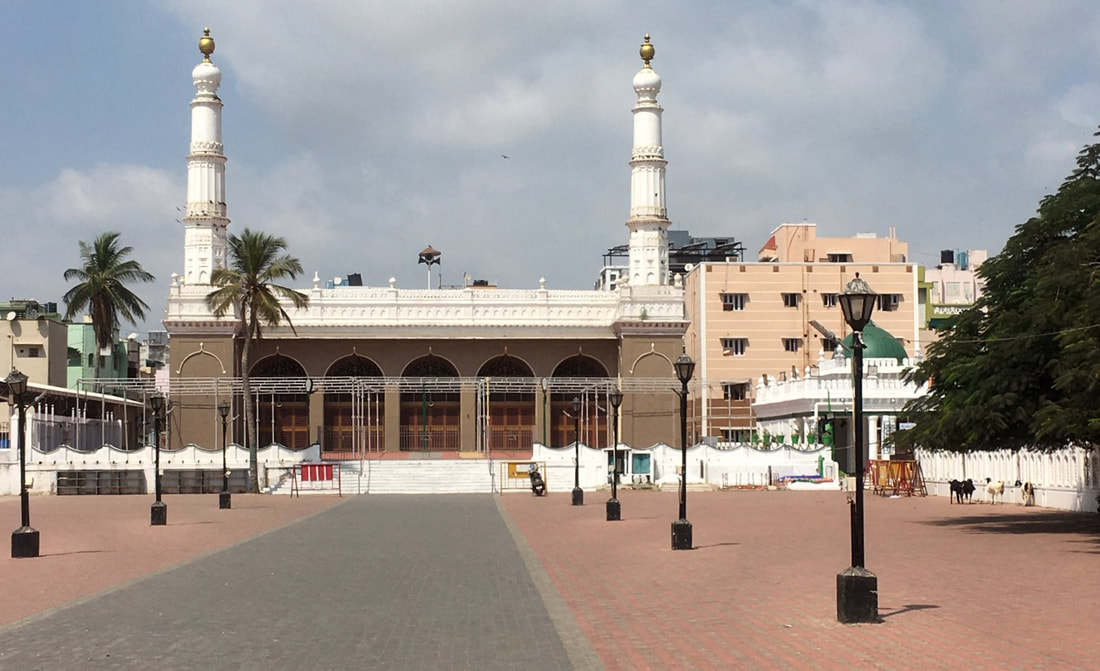
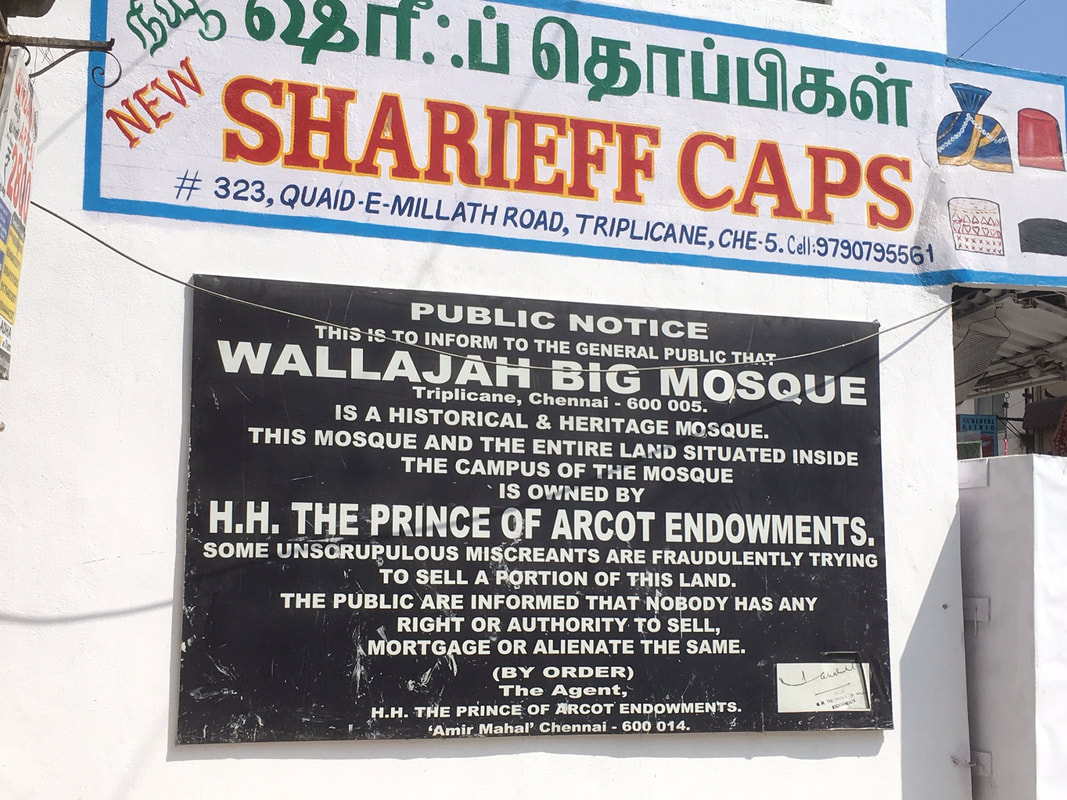
I was told that during the month of Ramadan, Sindhi Hindu families - who came over to Madras from Karachi at the time of Partition - come every night to provide food at the Wallajah mosque for Muslims breaking their fast. It's said to be in gratitude for the welcome the Sindhis received when they arrived as refugees more than seventy years ago.
In these bleak times, that's such an inspiring example of inter-faith harmony.
Andrew Whitehead's blog
Welcome - read - comment - throw stones - pick up threads - and tell me how to do this better!
Archives
April 2024
March 2024
February 2024
January 2024
December 2023
November 2023
October 2023
September 2023
August 2023
July 2023
June 2023
May 2023
April 2023
March 2023
February 2023
January 2023
December 2022
November 2022
October 2022
September 2022
August 2022
July 2022
June 2022
May 2022
April 2022
March 2022
February 2022
January 2022
December 2021
November 2021
October 2021
September 2021
August 2021
July 2021
June 2021
May 2021
April 2021
March 2021
February 2021
January 2021
December 2020
November 2020
October 2020
September 2020
August 2020
July 2020
June 2020
May 2020
April 2020
March 2020
February 2020
January 2020
December 2019
November 2019
October 2019
September 2019
August 2019
July 2019
June 2019
May 2019
April 2019
March 2019
February 2019
January 2019
December 2018
November 2018
October 2018
September 2018
August 2018
July 2018
June 2018
May 2018
April 2018
March 2018
February 2018
January 2018
December 2017
November 2017
October 2017
September 2017
August 2017
July 2017
June 2017
May 2017
April 2017
March 2017
February 2017
January 2017
December 2016
November 2016
October 2016
September 2016
August 2016
July 2016
June 2016
May 2016
April 2016
March 2016
February 2016
January 2016
December 2015
November 2015
October 2015
September 2015
August 2015
July 2015
June 2015
May 2015
April 2015
March 2015
February 2015
January 2015
December 2014
November 2014
October 2014
September 2014
August 2014
July 2014
June 2014
May 2014
April 2014
March 2014
February 2014
January 2014
December 2013
November 2013
October 2013
September 2013
August 2013
July 2013
June 2013
May 2013
April 2013
March 2013
February 2013
January 2013
December 2012
November 2012
October 2012
September 2012
August 2012
July 2012
June 2012
May 2012
April 2012
March 2012
February 2012
January 2012
December 2011
November 2011
October 2011
September 2011
August 2011
July 2011
June 2011
May 2011
April 2011
March 2011
February 2011
January 2011
December 2010
November 2010
October 2010
September 2010
August 2010
July 2010
June 2010
May 2010
April 2010
March 2010
February 2010
Categories
All
1857
648
A.A. Gill
Absolute Beginners
Adrian Mitchell
Afghanistan
Africa
Agra
Aird Uig
Ajanta
Akbar Khan
Alan Dein
Alexander Baron
Alexandra Park
Algarve
Alys Faiz
Amit Chaudhuri
Amwell
Anarchism
Anc
Andy Roth
Anna Bhushan
Annie Besant
Anthony Cronin
Anthony Kirk-Greene
April Fool
Archives
Archway
Armenian Church
Arnold Circus
Arnold Wesker
Arsenal
Arthur Conan Doyle
Arthur Morrison
Arthur Whitehead
Atlanta
Attia Hosain
Ayahs' Home
Baden Powell
Badges
Bangalore
Bangladesh
Barbican
Batley
Battersea
Battyeford
Belfast
Ben Chisnall
Benjamin Lucraft
Bernard Kops
Bessie Braddock
Bethnal Green
Bill Fishman
Bjp
Blackberries
Black Dwarf
Blackfriars
Blackwall
Bloodsucker Stanley
Bloomsbury
Blue Carbuncle
Blustons
Bob Dylan
Boer PoWs
Bombay
Bonnie Dobson
Borowitz
Boundary Passage
Boundary Street Estate
Brendan Behan
Brick Lane
Bridget Riley
British Library
Britishness
Broadway Market
Bronterre O'Brien
Burgh Castle
Burma
Burston Strike School
Bus
Bush House
Buzzard
BWNIC 14
Cable Street
Calcutta
Caledonian Road
Camden
Canterbury
Canvassing
Cape Coast
Captain Wimbush
Carmarthen
Cashmere
Cecil Tyndale-Biscoe
Chandan Fraser
Charles Bradlaugh
Charles Darwin
Charles Dickens
Charles Pooter
Charlie Gillett
Charlotte Despard
Chartists
Chelsea
Chennai
China
China In London
Churchill
Clapham
Clapton
Clerkenwell
Cliff Richard
Clive Branson
C.N. Annadurai
Cnd
Cochin
'Cohen The Crooner'
Colin Macinnes
Colin Ward
College Lane
Common Wealth
Communists
Connaught Place
Contemporary India
Cormorant
Costa Rica
Covent Garden
Covered Reservoir
Crete
Cricket
Cricks Corner
Cromer
Cromer Street
Crouch End
Curious Kentish Town
Cyril Satorsky
Dalston
Dan Chatterton
Dante
Dartmouth Park
David Edgar
Delaware
Delhi
Denis Healey
Denmark Street
Derby
D.H. Lawrence
Dina Wadia
Docklands
Dorothy 'Dorf' Bonarjee
Dorset
Dr Quraishi
Earl Cameron
Earl's Court
Easby
Easingwold
East End
Edinburgh
Education
Edward Truelove
Ela Sen
Election 2010
Emerald Court
Emmanuel Swedenborg
English Civil War
Ephemera
E.P. Thompson
Eric Hobsbawm
Ewan Maccoll
Fabians
Facebook
Fairport Convention
Faith
Faiz Ahmed Faiz
Faroes
Fergal Keane
Fermin Rocker
Fiction As History
Finsbury
Fitzrovia
Fleet River
Fortis Green
Frank Bostock
Frank Kitz
Freda Bedi
Fred Bakunin
'Freedom'
Fresh Garbage
Fulham
Gallan Head
GE2015
George E. Harris
George 'Jonah' Jones
George Orwell
Ghana
Ghost Signs
Gibbons
Gildersome
Glasgow
Godstow
Golders Green
Gordon Brown
Gospel Oak
Graham Greene
Grand Union Canal
Granta
Grateful Dead
Greenwich
Ground Zero
Guardian
Guildford
Guy Aldred
Hackney
Hadleigh Castle
Haggerston
Halifax
Hammersmith
Hampstead Heath
Hangover Square
Harry Pollitt
Headopoly
Henry George
Herbert Read
Herons
H.H. Asquith
H.H. Champion
Highgate
Highgate Camp
Highgate Cemetery
Hindi
History Workshop
H.M. Hyndman
Holborn
Holloway
Holly Village
Holywell Street
Hoopoe
'HOPE'
Hornbeam
Hornsey
Houndsditch
Huddersfield
Huddersfield Town
Iain Sinclair
Ian Jack
Ibex House
Iceland
Igor Clark
ILP
India
India In London
Indian Students
Indira Gandhi
Ireland
Ironbridge
Isle Of Wight
Islington
Jack Kerouac
Jago
Jean McCrindle
Jeff Cloves
Jericho
Jethro Tull
Jill Mcgivering
Jinnah
John Cornford
John Pym
John Rety
John Simonds
Joseph Grimaldi
Jyoti Basu
Kamala Markandaya
Karachi
Karaganda
Karl Marx
Kashmir
Kensal Green
Kensal Rise
Kentish Town
Khorshed Italia
Kilburn
King Dido
King's Cross
Knossos
Kohima
Kovalam
Labour Party
Lahore
Land And Labour League
Land Song
Las Vegas
Latin
Laura Del-Rivo
Laurence Hope
Lavenham
Lawrence Ferlinghetti
Leeds
Leeds Postcards
Leicester
Leonard Motler
Lewes
Leyli Rashidirauf
Leyton Orient
Lgs
Lib Dems
Libya
Limehouse
Lincoln's Inn
Liverpool
Liz Rorison
Lodhi Gardens
Loft
London Fields
London Occasionals
London View
London Views
Lost And Starving Dogs
Louisiana Bayou
Lowdham
Lower Marsh
Lucknow
Luddites
Madurai
Mahatma Gandhi
Major Cartwright
Malden Road
Malta
Margaret Harkness
Margaret Thatcher
Margaret Whitehead
Marie Stopes
Marques & Co.
Marrakesh
Martand
Martin Boon
Martin Carthy
Marylebone
Mary Wollstonecraft
Maurice Margarot
Max Bacon
May Morris
Michael Foot
Mildmay Club
Mile End
Mirza Waheed
Monopoly
Monteath Mausoleum
Moravians
Morley
Mortimer Terrace
Mosque
Mumbai
Muridke
Muriel Walker
Museum In Docklands
Muswell Hill
Myanmar
Nairobi
Narendra Modi
National Secular Society
Nedou
Nehru
New Left
New River
New York
NHS
Noida
Novotel
Old Delhi
Olympics
Oral History
Orange Street
Orchestra Baobab
Orkney
Oxford
Oz
Paintballing
Parakeets
Parkland Walk
Parsees
Partition
Pat Dooley
Patrick Hamilton
Peeli Wali
Peggy Seeger
Pendragon Castle
Penny Black
Peter Kropotkin
Peterloo
Philip Spratt
Poetry
Political Badges
Political Pamphlets
Political Song
Pondicherry
Primrose Hill
Pubs
Queen
Queen's Crescent
Queen's Park
Quiz
Radio
Raj
Rajiv Gandhi
Ram Advani
Ram Nahum
Ramsay Macdonald
Rangoon
Raph Samuel
Reading
Red Beryl
Red Herring
Red Kite
Reform League
Regents Park
Rena Stewart
Rent Strike
Rethymnon
Reynold Eunson
Rhubarb
Richard Carlile
Richard Thompson
Richmond
Riff Raff Poets
Rinkoffs
Ripping Yarns
Robert Blatchford
Robert Bradnock
Robert Owen
Robert Peel
Roger Casement
Rolling Stones
Rosa Branson
Rosie Hogarth
Roy Amlot
Rude Britannia
Rudolf Rocker
Sachin Pilot
Saffron
Saklatvala
Sam Lesser
Samye Ling
Sanchita Islam
San Francisco
'Sapphire'
Sarah Wise
Sarmila Bose
Sausages
Scottish Borders
Sekondi
Sheikh Abdullah
Shetland
Shoreditch
Shrew
Sidis
Sidney Street
Simla
Sir Francis Burdett
Sir Frederick Sykes
Slavery
Smiley Sun
Sobha Singh
Socialist Worker
Somers Town
South Africa
Southall
Spanish Civil War
SPGB
Spies For Peace
Spinalonga
Spitalfields
Srinagar
Stairway To Heaven
Stalin
Stanley Hall
Stanley Menezes
St Barnabas
Stepney
Steptoe And Son
Steve Winwood
St Giles
St Martin's
Stoke Newington
Stork
St Pancras
Stroud Green
Strumpet
Stuart Hall
Subhas Bose
Susie Crockett
Tariq Ali
Tate Britain
Tazi Shahnawaz
Thames
Theosophy
The Pamphleteer
Thomas Bolas
Thomas Paine
Thomas Spence
Tibetan Muslims
Tichborne
Tom Mann
Tommy Jackson
Tom Paine
Torriano
Tottenham
Toyah Sofaer
Trump Protest
Tube Disaster
Tufnell Park
Turtles
Twitter
Tyburn
Uher
Ukraine
Underground
Unitarians
Unity Theatre
Upper Street
Usw
Vale Of Health
Victoria Cross
Vikings
Vinyl
Vizag
Walter Batty
Walter Crane
Walthamstow
Wankers
Warren Street
Wartime Propaganda
War Writing
Waterlow Park
West Bengal
Whidborne Street
White Heat
Whittington
Whittington Park
Willesden
William John Pinks
William Morris
Woodberry Wetlands
World Cup
World Music
World Service
Wren
York Rise
Zadie Smith
Zainul Abedin
Zina Rohan
Zombies
 RSS Feed